
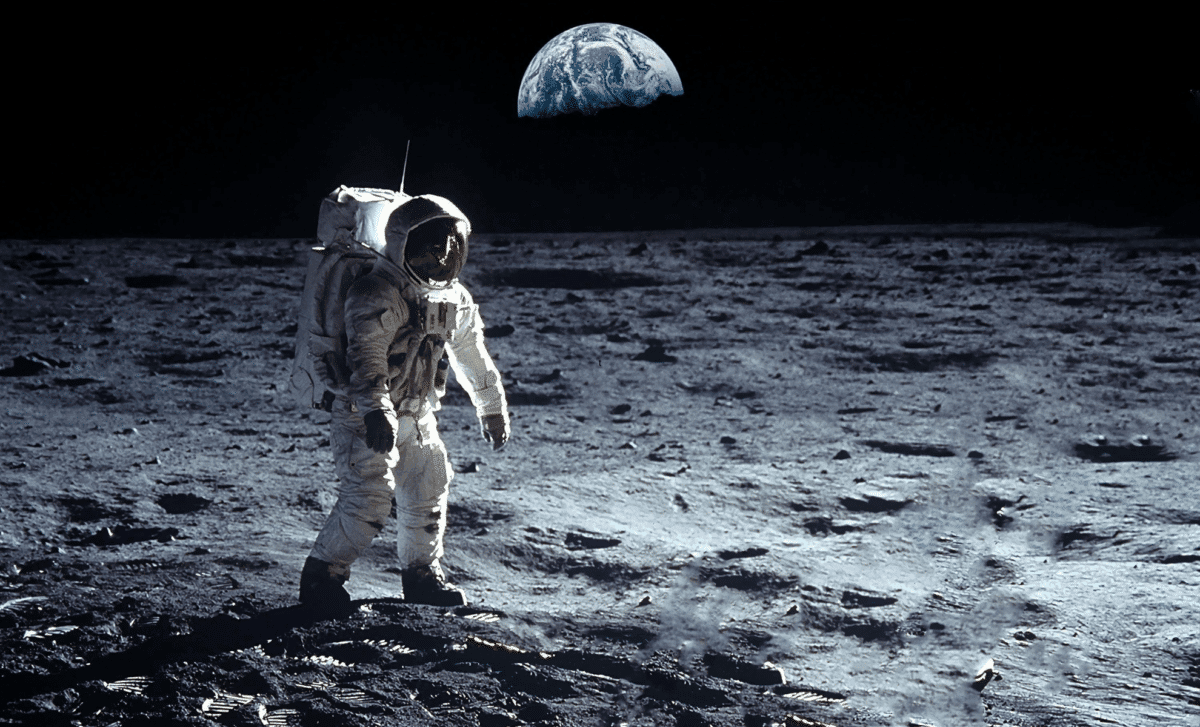
The European Space Agency (ESA) has revealed an unprecedented development: Germany will be the home country of the first European astronaut to journey to the Moon, participating in NASA’s Artemis program. This milestone highlights Europe's expanding role in international space exploration efforts.
Breaking New Ground for Europe’s Space Ambitions
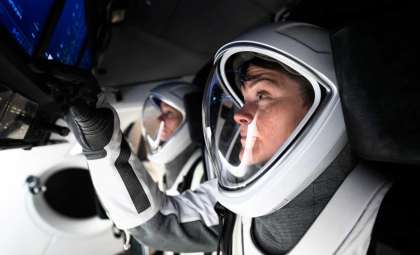
For the first time ever, a space traveler from Europe is set to venture to the lunar surface, with Germany at the forefront of this historic expedition. The upcoming Artemis 4 mission will include either Matthias Maurer or Alexander Gerst, two highly qualified German astronauts, as crew members. Both have extensive experience aboard the International Space Station (ISS), having completed important assignments furthering ESA’s goals. Maurer spent 176 days on the ISS in 2021, while Gerst holds a cumulative 362 days in orbit. Now, one of them is set to take part in this groundbreaking mission to return humans to lunar orbit.
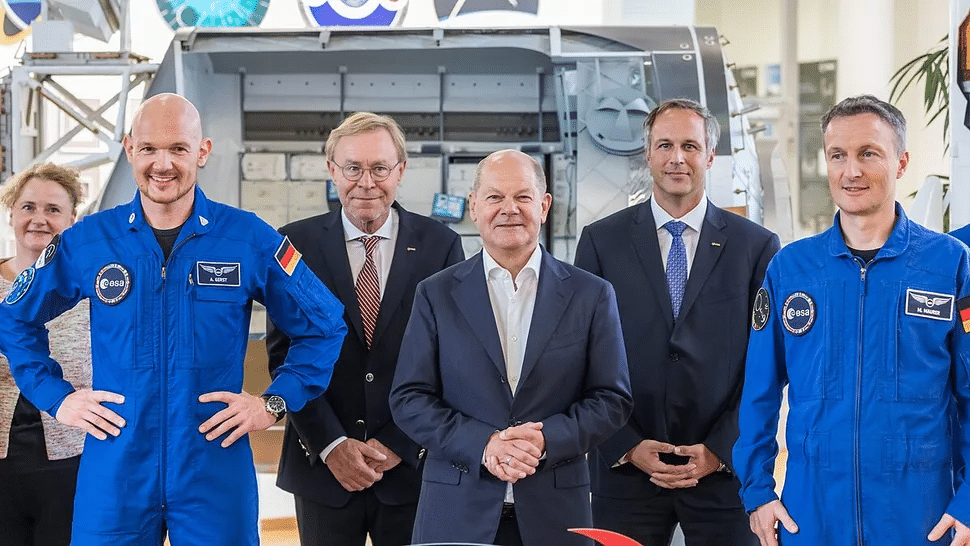
This landmark venture accentuates Europe’s increasing influence within the global space community, backed by ESA’s dedication to advancing crewed space exploration. Germany's Federal Minister for Research, Technology, and Space, Dorothee Bär, emphasized that this mission will enable a European astronaut to travel farther into space than ever before.

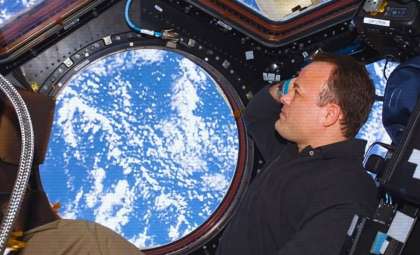
“We can now, for the very first time, send a European astronaut flying 360,000 kilometers away,” Bär said during a press conference. “This means that a European astronaut will be traveling for approximately three days until for the first time he sees the Earth as a whole. No European has ever seen that before.”
ESA's Role and Vision for Continued Lunar Exploration
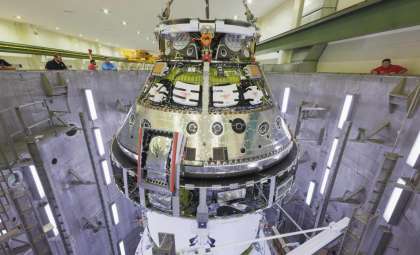
The European Space Agency (ESA) has played a vital role in the Artemis initiative, delivering critical technologies and support systems. Airbus’s Bremen facility developed the European Service Module, a key component of NASA’s Orion spacecraft, responsible for power, propulsion, and life support during deep space missions. According to Space.com, this module is foundational to NASA’s lunar objectives. Beyond hardware, ESA’s astronauts are now poised to join the elite group traveling to the Moon.
Looking forward, ESA is actively advancing plans for a lunar orbital station—the gateway—which will facilitate continued lunar exploration and surface missions. This initiative reflects the growing cooperation between NASA and ESA, working together to establish long-term human presence beyond Earth's orbit. Daniel Neuenschwander, ESA’s Director for Human and Robotic Exploration, noted,
“Beyond European Service Module number six, we want to keep the options open.” He further added, “It’s possible that the U.S. partner will come to us and look for the continuation of the Orion — European Service Module couple.”
- Categories:
- Space







0 comments
Sign in to Comment