
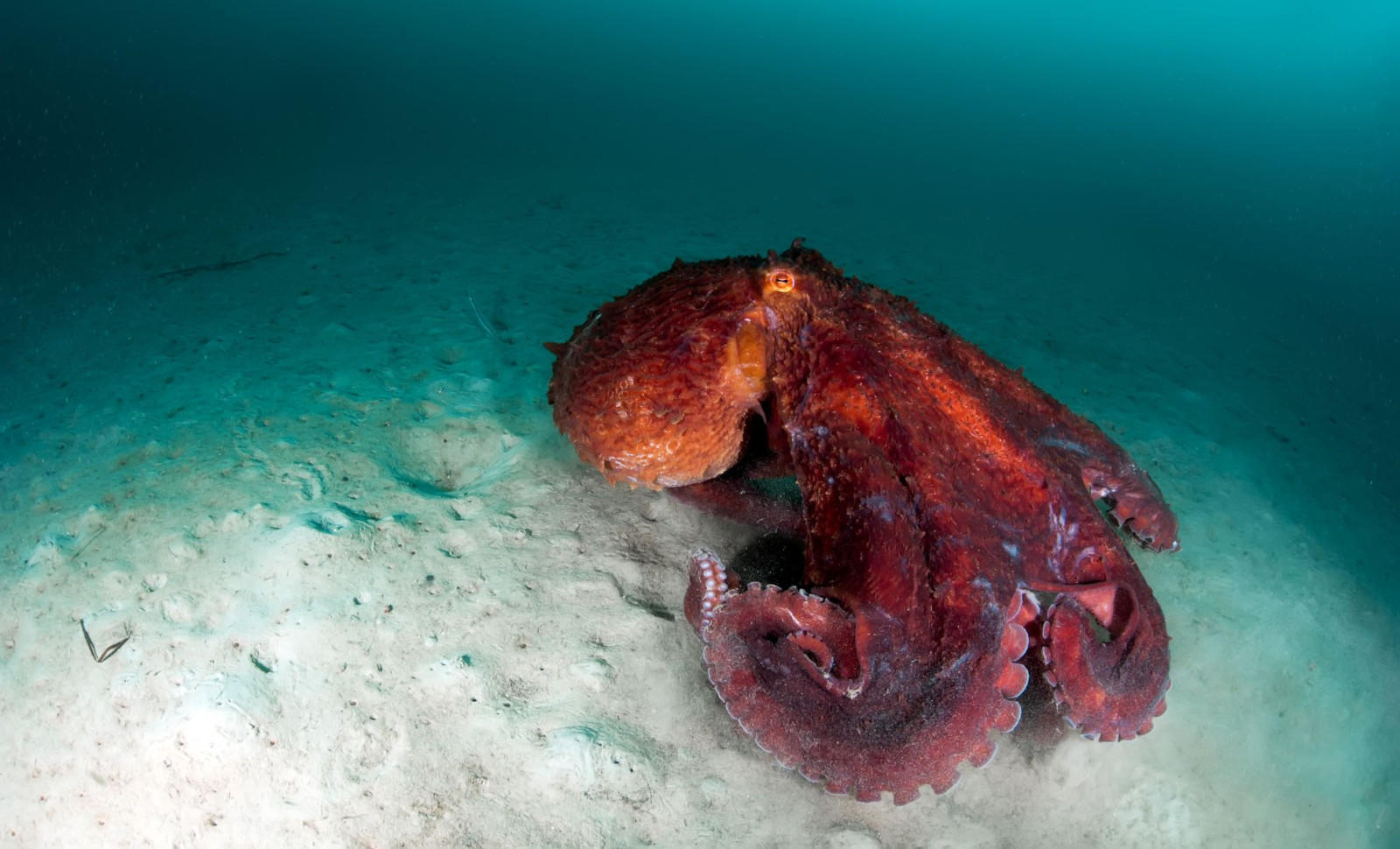
Scientists investigating the deep ocean regions off Western Australia have uncovered genetic evidence of the elusive giant squid. Utilizing cutting-edge environmental DNA (eDNA) methods, the team also identified hundreds of other marine creatures, including species not previously documented in this part of the ocean.
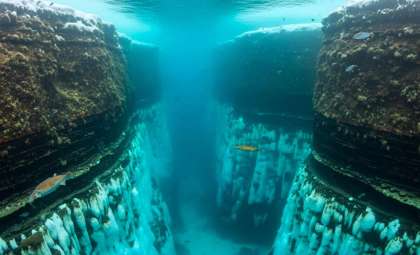
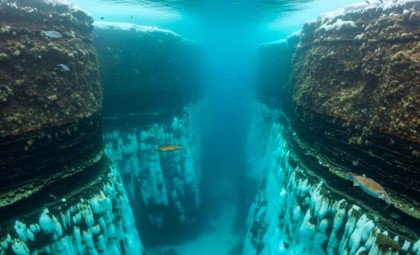
The study took place on the R/V Falkor, a vessel operated by the Schmidt Ocean Institute, targeting the Cape Range and Cloates submarine canyon systems roughly 1,200 kilometers north of Perth. These canyons represent some of the Indian Ocean’s most formidable depths and remote locations, presenting significant challenges for direct observation. Leveraging eDNA technology, researchers catalogued 226 distinct species belonging to 11 different animal groups from depths exceeding 4,000 meters.
Environmental DNA: Revolutionizing Marine Biodiversity Surveys
eDNA offers an innovative approach to studying ocean life without the need for physical sightings or capture. The team gathered more than 1,000 water samples, each harboring minute genetic fragments shed by marine organisms. By sequencing these DNA traces, scientists can effectively map biodiversity across unfathomable depths. Dr. Georgia Nester, who headed the project, emphasized the groundbreaking nature of this technique.

“We found a large number of species that don’t neatly match anything currently recorded.” she added, “which doesn’t automatically mean they’re new to science, but it strongly suggests there is a vast amount of deep‑sea biodiversity we’re only just beginning to uncover.”
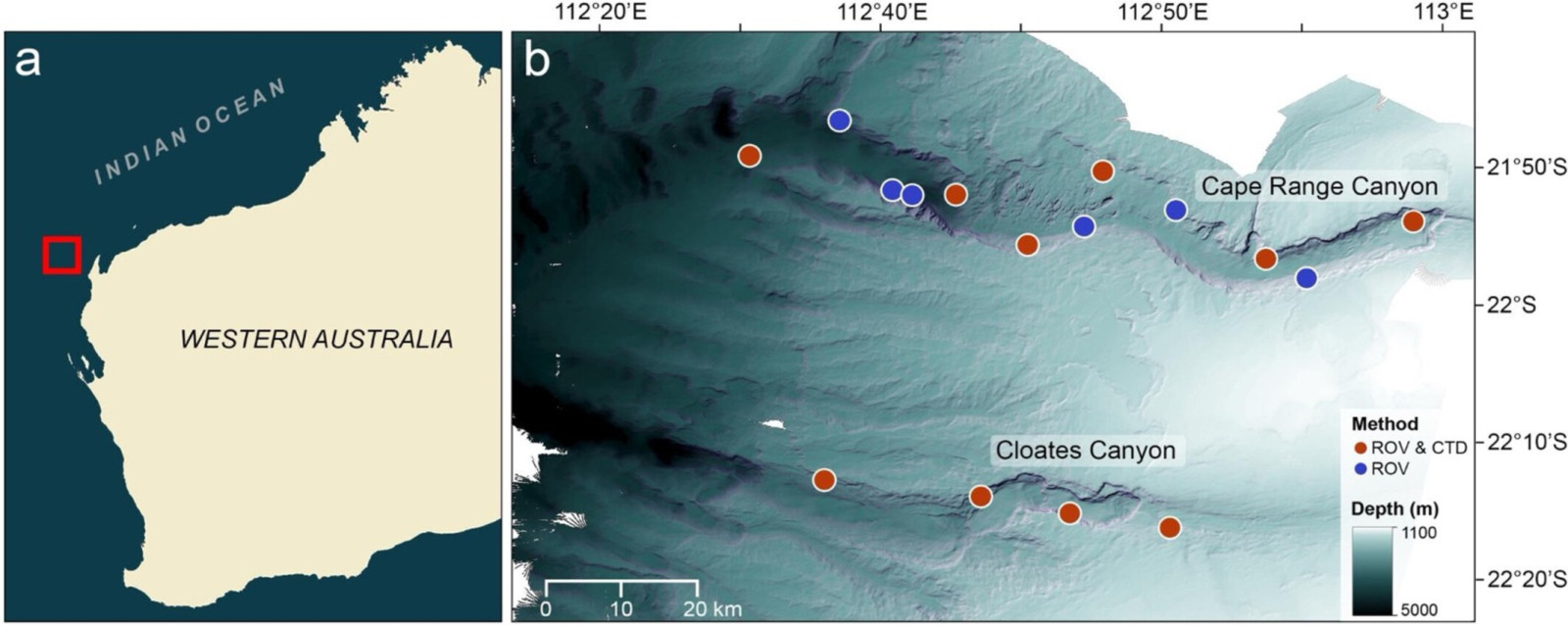
Detecting such a rich assortment of marine species solely through their genetic signatures underscores the immense complexity and diversity of life in deep ocean environments that remain largely unexplored.
Confirming the Presence of the Giant Squid Deep Below
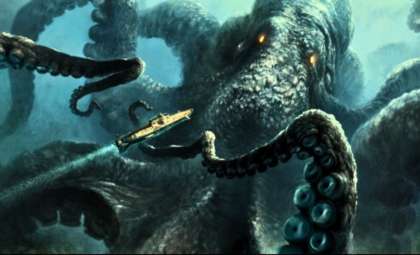
One of the standout results in this investigation was the identification of Architeuthis dux, the mythical giant squid, an enigmatic creature rarely seen and surrounded by intrigue. Despite the absence of sightings along Western Australia’s coastline for over 25 years, DNA evidence was retrieved from six independent water samples taken within the Cape Range and Cloates canyons. This represents the first eDNA-confirmed record of giant squid in this area and the northernmost documentation in the eastern Indian Ocean. Dr. Lisa Kirkendale from the Western Australian Museum highlighted the importance of this finding.
“There were only two other records of giant squid from Western Australia, but there had not been a sighting or a specimen for more than 25 years,” she explained.
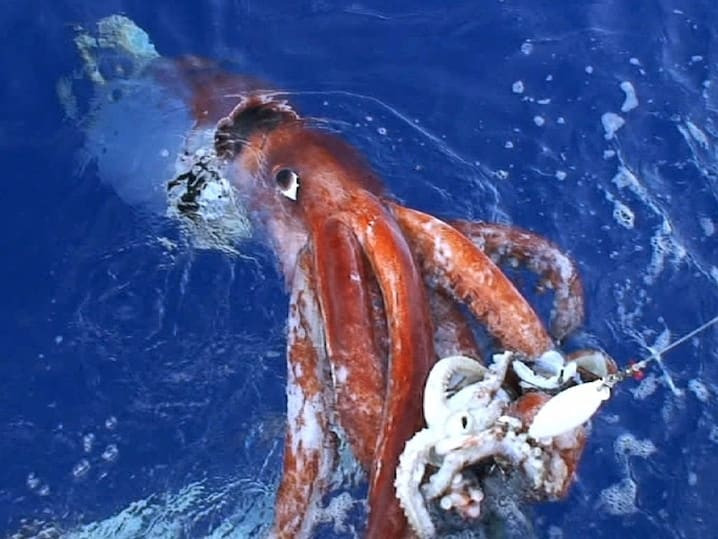
Famed for their massive size and elusive behavior, giant squids inhabit deep ocean zones rarely accessed by humans. The DNA fragments detected in this research, published in Environmental DNA, imply that these apex deep-sea inhabitants may be more widespread in the region than formerly believed.
Unveiling the Hidden Life of the Ocean’s Depths
While the giant squid grabbed headlines, the scientists also revealed the presence of several species new to Western Australian waters, including the bizarre faceless cusk eel (Typhlonus nasus) and the strikingly slender snaggletooth (Rhadinesthes decimus), alongside deep-diving whales such as the pygmy sperm whale (Kogia breviceps) and Cuvier’s beaked whale (Ziphius cavirostris).
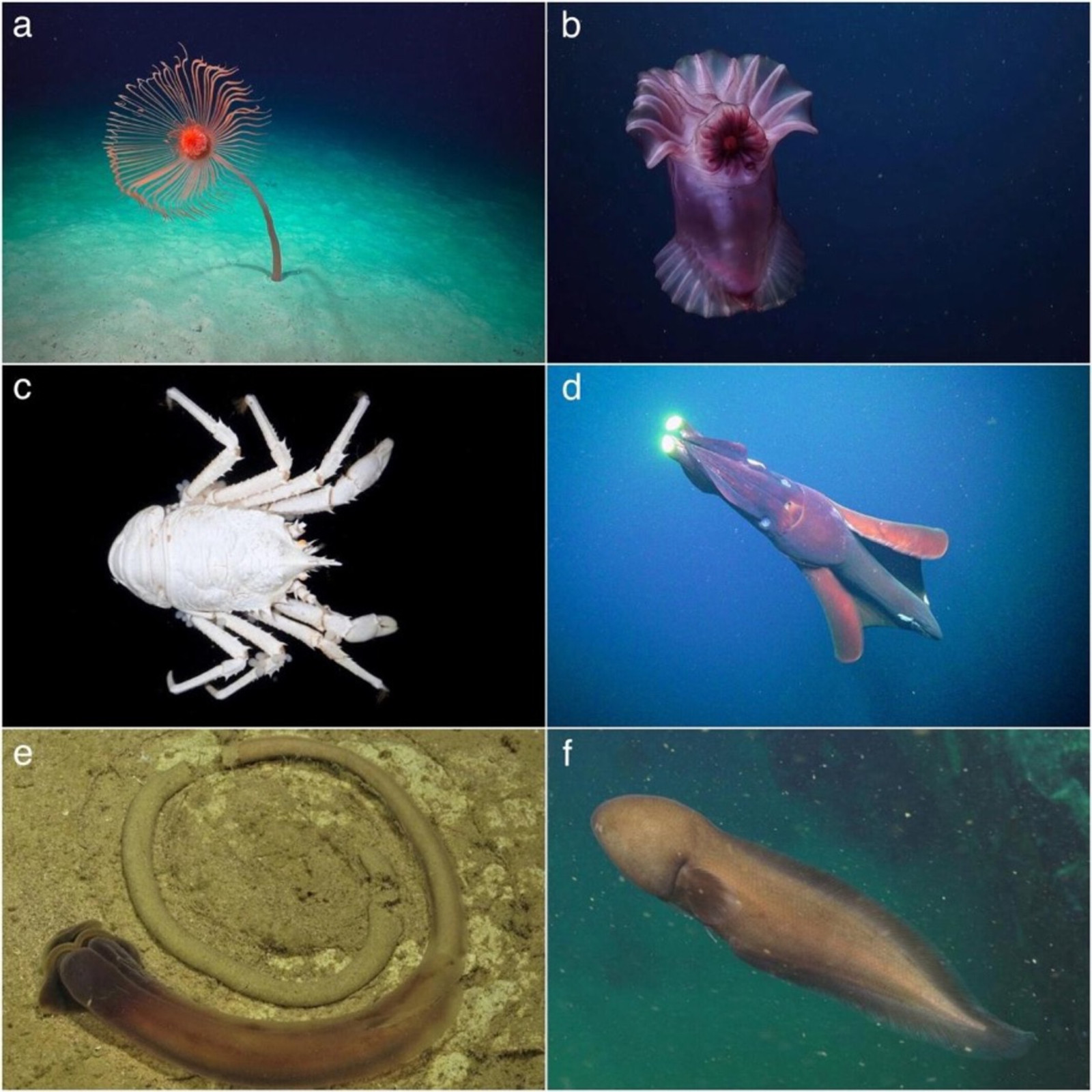
Dr. Nester pointed out that several DNA sequences did not correspond to any known organisms, indicating the potential discovery of undocumented deep-sea life forms. This underscores how limited our understanding remains of biodiversity in the ocean’s most inaccessible zones. As Dr. Zoe Richards from Curtin University stated:
“You can’t protect what you don’t know exists. The sheer number of discoveries, including megafauna, makes it clear that we still have so much to learn about what marine life lives in the Indian Ocean.”
- Categories:
- Science



0 comments
Sign in to Comment