
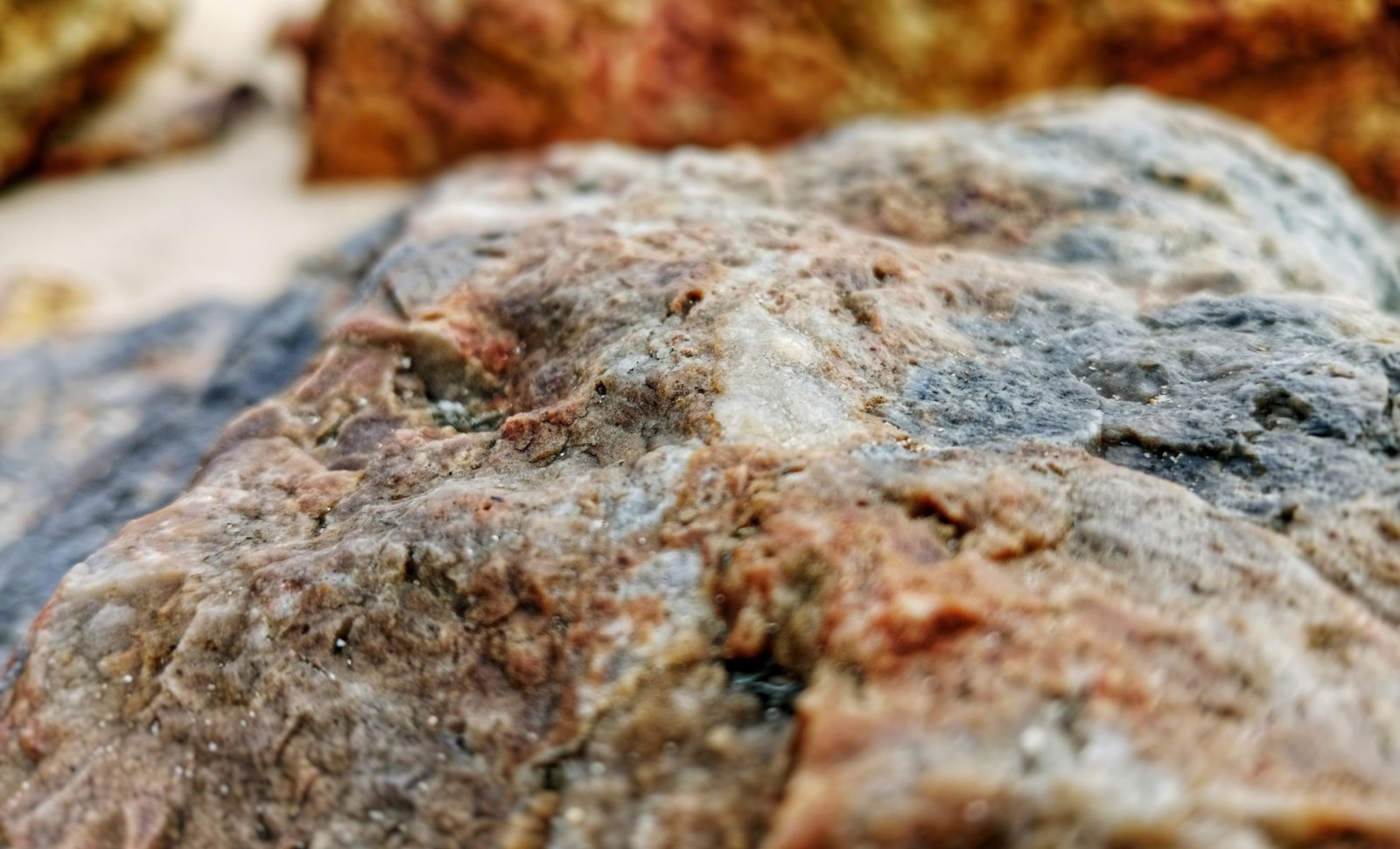
Scientists may have inched closer to resolving one of science’s enduring mysteries: the Moon’s formation. In a recent investigation, researchers analyzed chemical evidence built within 3.7-billion-year-old feldspar crystals discovered in ancient terrestrial rocks, suggesting a significant link between the early Earth’s crust and the Moon. This investigation, conducted by the University of Western Australia, sheds light on a pivotal chapter in Earth’s history.
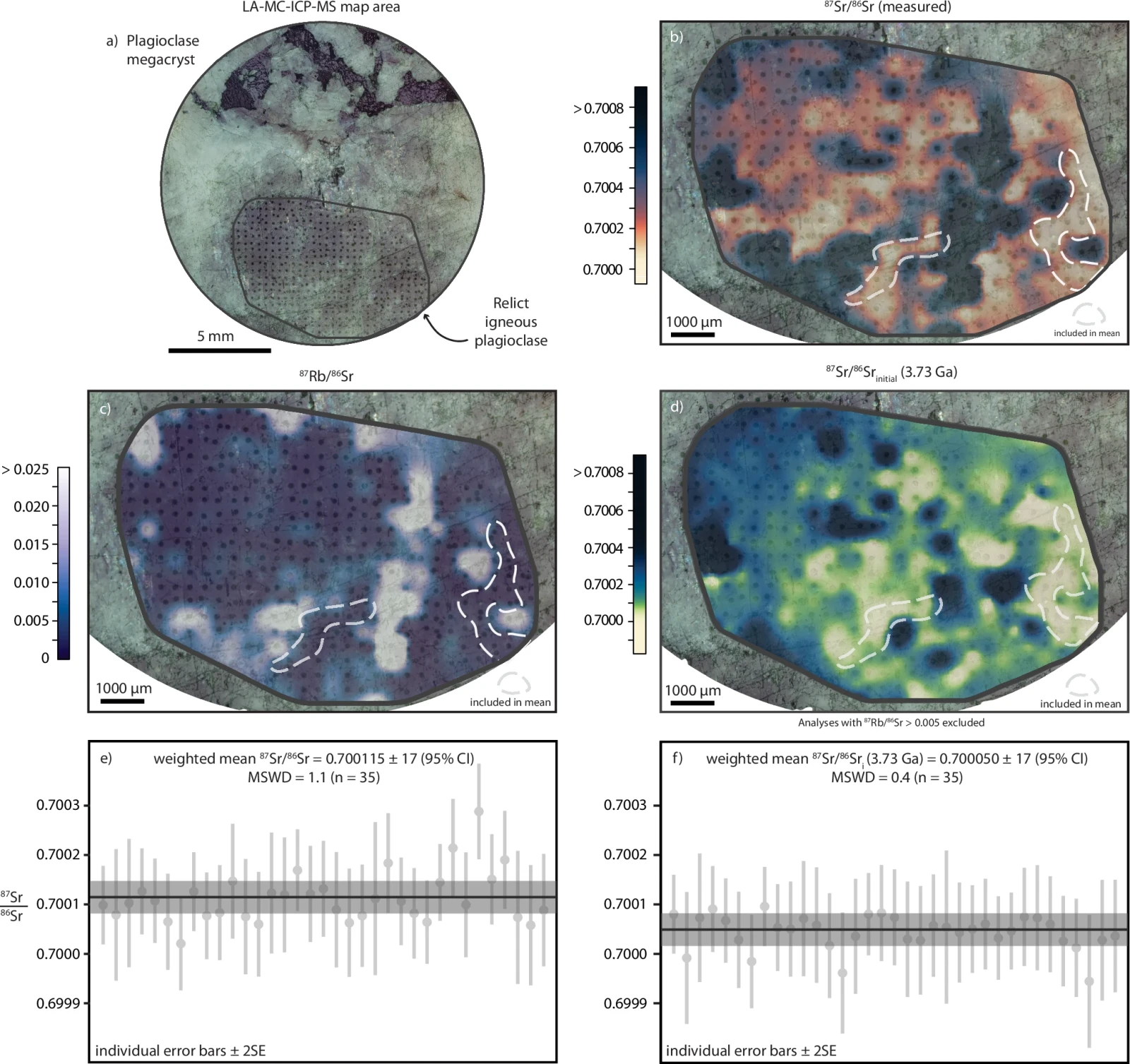
The findings, detailed in Nature Communications on October 31, center on rock formations from the Murchison region, home to some of the planet’s oldest known crust. Among these specimens, scientists identified anorthosites—feldspar-rich rocks—that contain isotopic patterns nearly identical to those discovered in lunar samples returned by NASA’s Apollo missions.
A Unique Earth-Moon Chemical Link
Anorthosites are widespread on the Moon but scarcely occur on Earth, making the Australian specimens exceptionally valuable. Through chemical analysis of these feldspar crystals, which originated as molten magma cooled deep underground, the team was able to decode vital information about Earth’s earliest mantle environment.

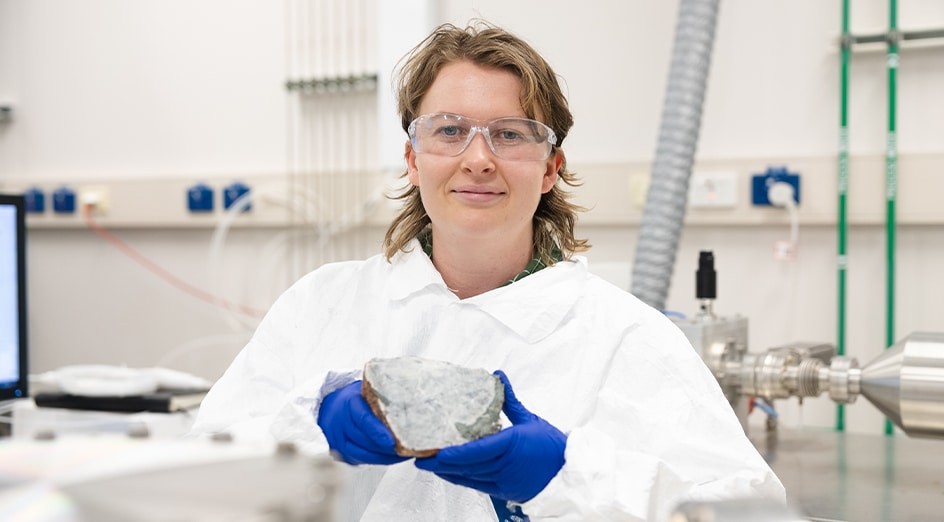
Ph.D. candidate Matilda Boyce led the study, which targeted the pristine regions of the feldspar crystals to extract their isotopic data. This approach granted new insight into Earth’s primordial crust formation. Notably, the research suggests that continental crust formation began not immediately after the planet's origin but closer to 3.5 billion years ago, nearly a billion years post-formation.
Tracing Earth’s Early Chemistry Back to the Moon
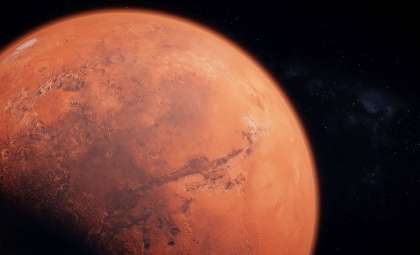
Even more compelling is the remarkable similarity between the isotopic signatures within these Australian anorthosites and those found in the Apollo lunar samples. This discovery bolsters the giant impact hypothesis, which posits that the Moon was created from the aftermath of a collision between the early Earth and a Mars-sized body. As Boyce explains:
“Our comparison was consistent withthe Earthand moon having the same starting composition of around 4.5 billion years ago.” She added in the statement that, “This supports the theory that a planet collided with early Earth and the high-energy impact resulted in the formation of the moon.”
In essence, this means that the matter forming both our planet and its satellite originated from a shared cosmic source. According to Boyce, these results support the long-discussed scenario where a young Earth was struck by a Mars-sized object, launching fragments into orbit that eventually merged to form the Moon.
Unveiling Earth’s Formative Period Through Timeworn Rocks
The ancient rock specimens from Murchison act as natural archives, locking in the chemical signatures of Earth's youthful, turbulent phase. The feldspar crystals, astonishingly preserved over billions of years, provide a rare window into the composition of Earth’s early mantle, helping reveal how the planet’s crust—and ultimately life—came into being.
For the scientific community, these rocks represent an extraordinary resource. Their survival over eons allows researchers to investigate a period when Earth was notably more volatile and dynamic, offering unparalleled insights into our planet’s formative processes.
- Categories:
- Science






0 comments
Sign in to Comment