

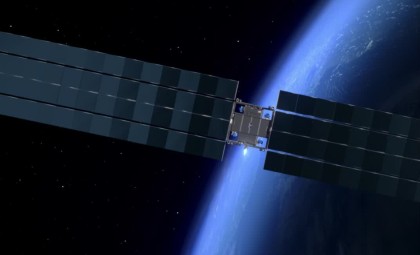
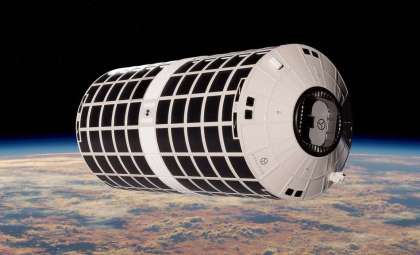
Google’s Project Suncatcher envisions deploying a network of 81 satellites in low Earth orbit (LEO) to establish solar-powered artificial intelligence data centers above our planet. While this concept aims to transform data processing by utilizing relentless solar energy, it confronts substantial obstacles due to the escalating problem of orbital debris. The increasingly congested space environment could present grave dangers that might undermine the mission if not managed properly.
The Escalating Threat of Orbital Debris in Low Earth Orbit
Recent years have seen a surge in satellite deployments spotlighting the critical concern of space junk. LEO is becoming overwhelmed with defunct satellites, discarded rocket parts, and minute fragments like paint chips. This accumulation endangers functioning satellites, spacefarers, and planned expeditions. Google’s plan to send 81 AI data center satellites into this orbit faces amplified jeopardy due to this debris. Although space agencies have long been worried about debris, private sector players such as SpaceX’s Starlink have intensified the issue by adding thousands more satellites.
The Conversation points out that the targeted Sun-synchronous orbit—a prime choice due to its uninterrupted solar exposure—is also one of the densest and most dangerous LEO regions. This desirable orbit hosts numerous operational satellites and abundant debris, elevating collision probabilities. Impacts not only jeopardize the satellites involved but can produce thousands of debris fragments that threaten other spacecraft for extended periods.

Understanding Space Debris and Its Significance
Space debris encompasses all human-made objects in orbit that no longer serve a function, from used rocket stages to broken satellites and tiny paint chips. Despite their small size, these particles travel at speeds near 28,000 kilometers per hour, creating extreme hazards. Even a collision with an object as small as a blueberry can devastate a satellite, posing a serious challenge for Google’s Project Suncatcher.
Space debris dangers are more than theoretical. In November 2025, astronauts aboard China’s Tiangong space station postponed their return after a debris strike damaged their capsule. Likewise, the International Space Station has faced multiple close encounters, underscoring debris as a mounting hazard for crewed missions.
How Project Suncatcher Might Intensify Debris Risks
Project Suncatcher intends to orbit 81 satellites in a tightly clustered formation to establish its solar-powered AI data center. These satellites would be spaced just a few hundred meters apart to facilitate data sharing. However, this proximity increases vulnerability to debris strikes, which could trigger a cascade of collisions, creating more fragments and endangering the entire network.
The tight satellite arrangement heightens the risk that one impact could cause widespread damage. Given the already cluttered low Earth orbit, without sophisticated avoidance protocols and constant debris monitoring, the constellation’s integrity could be rapidly compromised.
Addressing the Challenge of Avoiding Orbital Collisions
A major hurdle for large satellite groups like Project Suncatcher is evading collisions. While space authorities track larger debris, smaller yet equally damaging fragments generally evade detection. Current surveillance prioritizes items larger than a softball, leaving many dangerous tiny pieces unseen. For tightly packed satellites, even microscopic debris poses a serious threat.
Google would require complex collision avoidance tech capable of sensing and reacting to debris instantly. As The Conversation notes, SpaceX’s Starlink satellites have executed hundreds of thousands of avoidance maneuvers. To protect the Suncatcher constellation, Google would likely need to utilize similar or even more advanced autonomous systems to ensure operational safety.
Strategies for Reducing Space Debris Hazards
Although collision avoidance is crucial, it alone cannot solve the growing debris predicament. With satellite numbers continually rising, debris volumes can be expected to increase, complicating safe navigation. One promising approach is active debris removal, involving capturing and deorbiting hazardous fragments. Currently, The Federal Communications Commission (FCC) requires satellites to be deorbited within five years of mission end, yet this addresses only newly launched spacecraft, not existing debris.
Experts have suggested implementing an orbital “use levy” or fee to fund debris removal initiatives. This measure would charge satellite operators proportionally to the orbital space their systems occupy, encouraging the development of satellites that can be efficiently and safely removed post-mission.
- Categories:
- Space








0 comments
Sign in to Comment