

Within the sacred surroundings of the Amazon rainforest, the potent ayahuasca brew has been central to Indigenous rituals for centuries—not only as a healing remedy but also as a pathway to deeper insights on mortality. Recently, scientists have begun investigating the effects of repeatedly undergoing experiences that resemble dying, while the person remains alive.
A research team from the University of Haifa has published new results in Psychopharmacology, suggesting that ayahuasca’s impact extends beyond inducing hallucinations or spiritual revelations. It appears to profoundly transform individuals' emotional connections to mortality by altering how they accept the inevitability of change, rather than relying on religious or metaphysical beliefs.
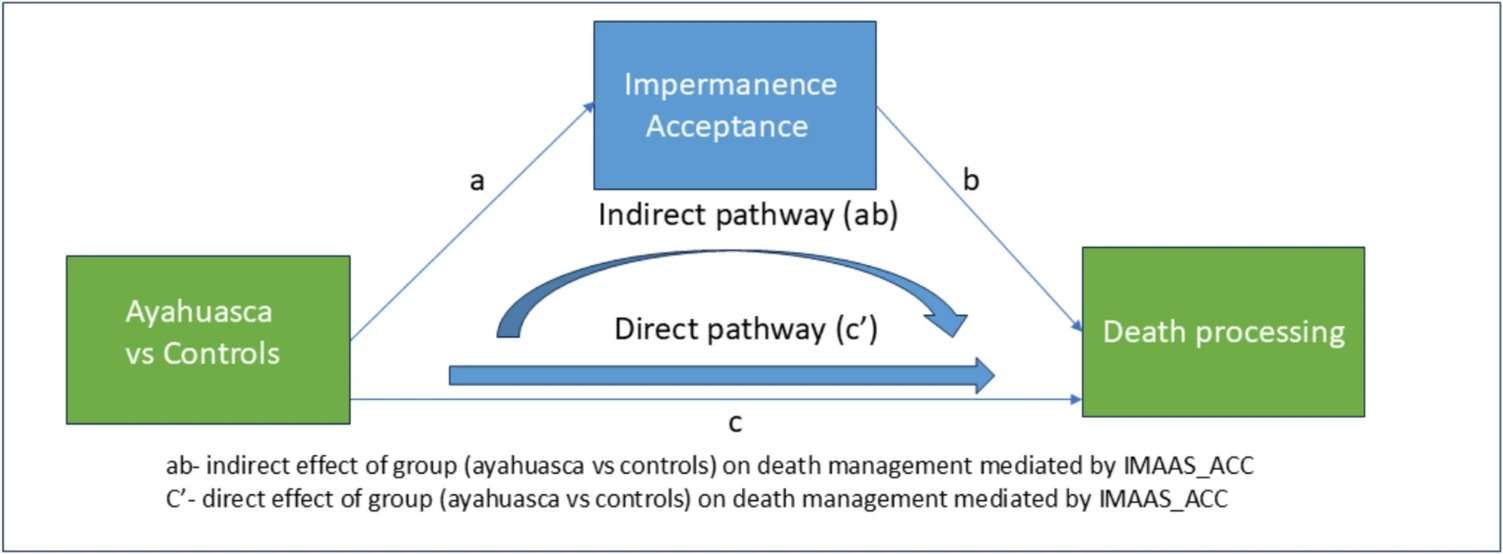
The study surveyed over 100 participants, including many long-term ayahuasca consumers who had ingested the brew more than 50 times on average. These frequent users reported significantly reduced fear of death, a more open attitude towards discussing mortality, and greater acceptance of life’s impermanence compared to non-users. The researchers were particularly intrigued by the psychological basis of this shift, shedding light on how the human mind engages with the concept of death.

While current psychedelic research often focuses on treating mental health disorders such as depression, PTSD, and addiction, this investigation explores an existential dimension. It asks: could altered states unlock a deeper understanding of life itself beyond healing?
Perceiving Reality Differently Beyond Belief Systems
Interestingly, the difference in death attitudes was not explained by higher scores on traits like openness, mindfulness, or belief in an afterlife among ayahuasca users. Instead, the pivotal factor was a concept termed impermanence acceptance—a psychological readiness to embrace the transient nature of life and all things.
“The crucial element wasn’t what participants thought intellectually but how they felt deep down,” shared Dr. Yair Dor-Ziderman, the lead author, during an interview with PsyPost. “Emotional surrender to life’s impermanence predicted their death-related responses, rather than mere cognitive acknowledgement.”
Researchers combined self-reported questionnaires with behavioral measures, including the speed of responses to death-related words. Ayahuasca users consistently demonstrated calmer and more measured reactions to threats related to mortality on both conscious and subconscious levels.
The Role of Ego Dissolution in Cultivating Acceptance
Delving into the psychedelic experience itself, the team found that neither the frequency nor recency of ayahuasca use strongly influenced death acceptance. Rather, it was the depth of ego dissolution—a temporary fading of the sense of self during ceremonies—that correlated most with embracing impermanence.
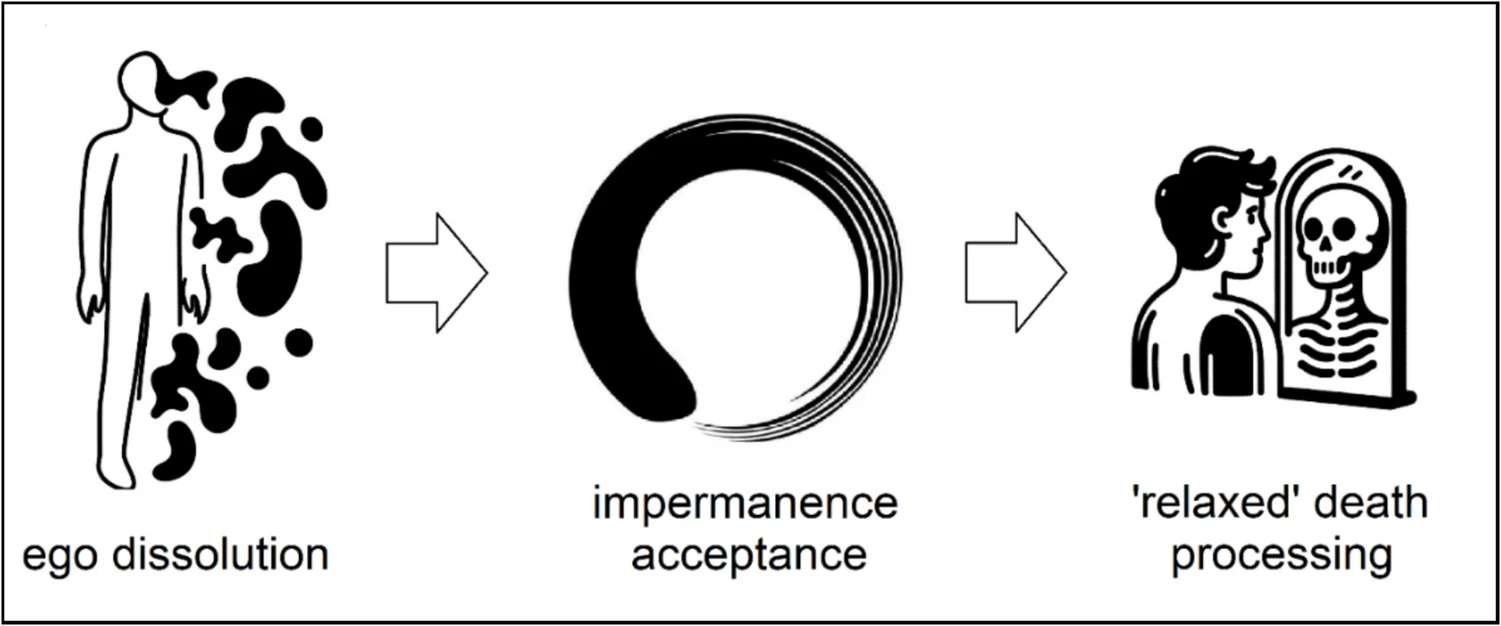
Those who experienced more intense ego dissolution tended to report greater psychological flexibility regarding life’s impermanence. Scientists hypothesize that such episodes simulate a rehearsal for death by dissolving the illusion of a permanent self and highlighting life's constant flux.
This might also explain parallels with findings in seasoned meditation practitioners. Another research article in Neuroscience of Consciousness indicated that long-term mindfulness meditators displayed diminished unconscious denial of death, detected via rapid neural response patterns.
Limitations and the Need for Lasting Integration
Nonetheless, the authors advise caution when interpreting ayahuasca’s effects as a simple path to mortality acceptance. A related additional study assessing electrophysiological responses found that ayahuasca users’ automatic, unconscious death denial remained similar to that of non-users.
“There seems to be an upper boundary,” noted Dor-Ziderman. “While ayahuasca can emotionally soften fear of death, fundamental neural defense mechanisms guarding against existential dread may persist unchanged.”
This outcome highlights a key idea emerging from psychedelic science: fleeting experiences of insight are only part of the journey. Long-term changes likely require continued practices such as meditation or psychotherapy to integrate and stabilize new attitudes towards mortality.
- Categories:
- Science













0 comments
Sign in to Comment