
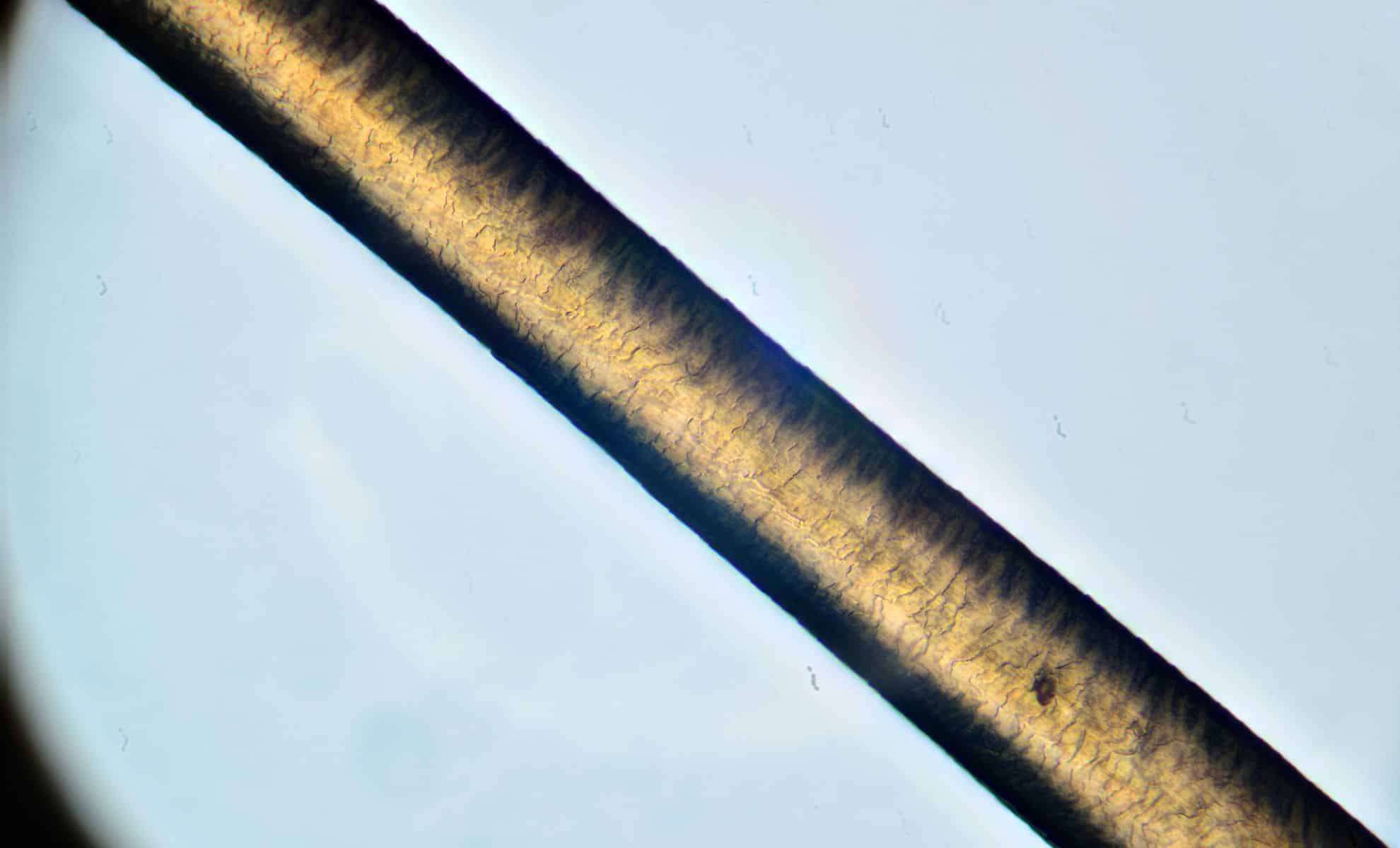
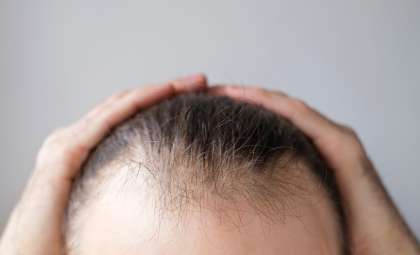
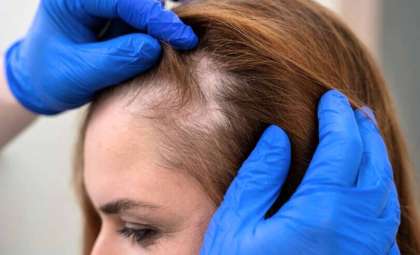
Researchers at Harvard University have pioneered an innovative approach to convert common waste products such as hair, wool, and feathers into functional materials—without the need for harmful chemical treatments. Their findings, published on July 26, 2025, in Nature Communications, reveal how an ordinary salt enables a greener alternative to traditional processing methods.
Gentle Techniques for Unlocking Keratin’s Potential
Keratin, found abundantly in animal byproducts, has historically been difficult to repurpose without resorting to toxic solvents and energy-heavy procedures. The team, led by Kit Parker, a professor in bioengineering and applied physics at Harvard’s John A. Paulson School of Engineering and Applied Sciences (SEAS), devised a new method that preserves the protein’s structure by avoiding chemical destruction.
Rather than targeting the protein itself, they manipulated the surrounding environment—specifically the water molecules. Utilizing lithium bromide (LiBr), a salt known to interact with proteins, they observed that it does not directly affect keratin.

Rather, LiBr alters how water behaves around the protein, prompting keratin to unwind naturally without breaking down. Chemistry graduate student Yichong Wang highlighted, “Altering the water’s properties encourages the protein to unfold on its own.”
Rapid Formation of Versatile Keratin-Based Materials
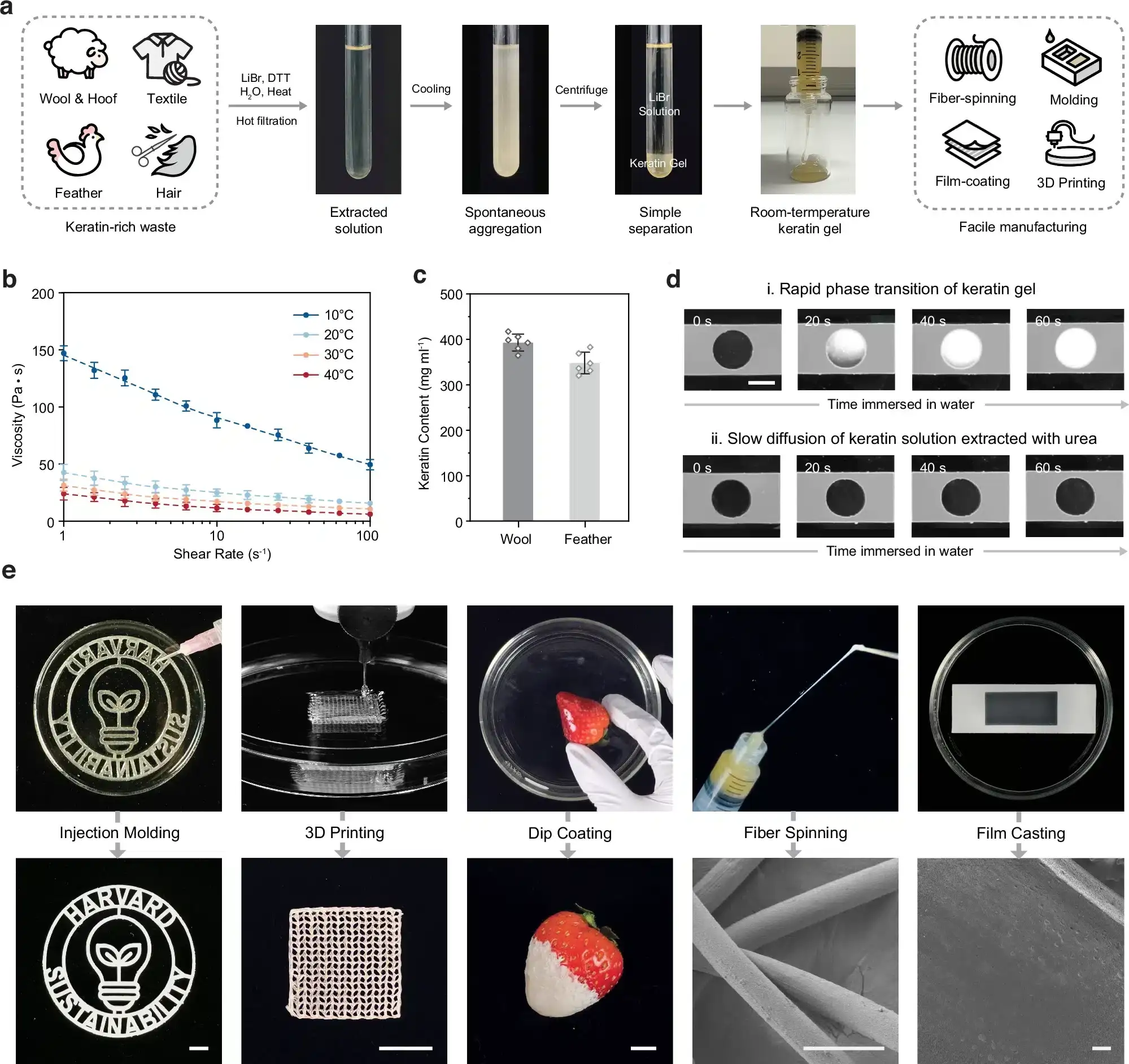
As keratin dissolves in the LiBr solution, it forms a thick, gel-like substance. When introduced back into water, this gel rapidly solidifies—achieving this transformation without specialized tools or added chemicals.
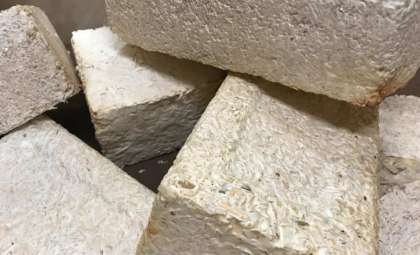
This material exhibits shear-thinning behavior, meaning it flows under pressure but stiffens when stationary, making it suitable for 3D printing, molding, and fiber production. This paves the way to repurpose hair and feather waste into recycled fabrics, bioplastics, and healthcare materials.
Importantly, the lithium bromide solution can be reused entirely, establishing a closed-loop process that minimizes waste and environmental footprints while offering scalable industrial potential.
Building a Sustainable Future With Protein-Based Materials
This breakthrough could ignite a fresh wave of biomaterial innovation, substituting keratin waste for conventional plastics in many manufacturing applications. Kit Parker’s lab has long explored keratin-based solutions, particularly for medical applications such as tissue engineering.
With patents filed and funding secured from organizations including NIH, NSF, and NTT Research, the group’s technique has shown promise beyond keratin, working also on proteins like fibronectin. This advancement heralds a possible new era in protein recycling technologies.
- Categories:
- Science







0 comments
Sign in to Comment