
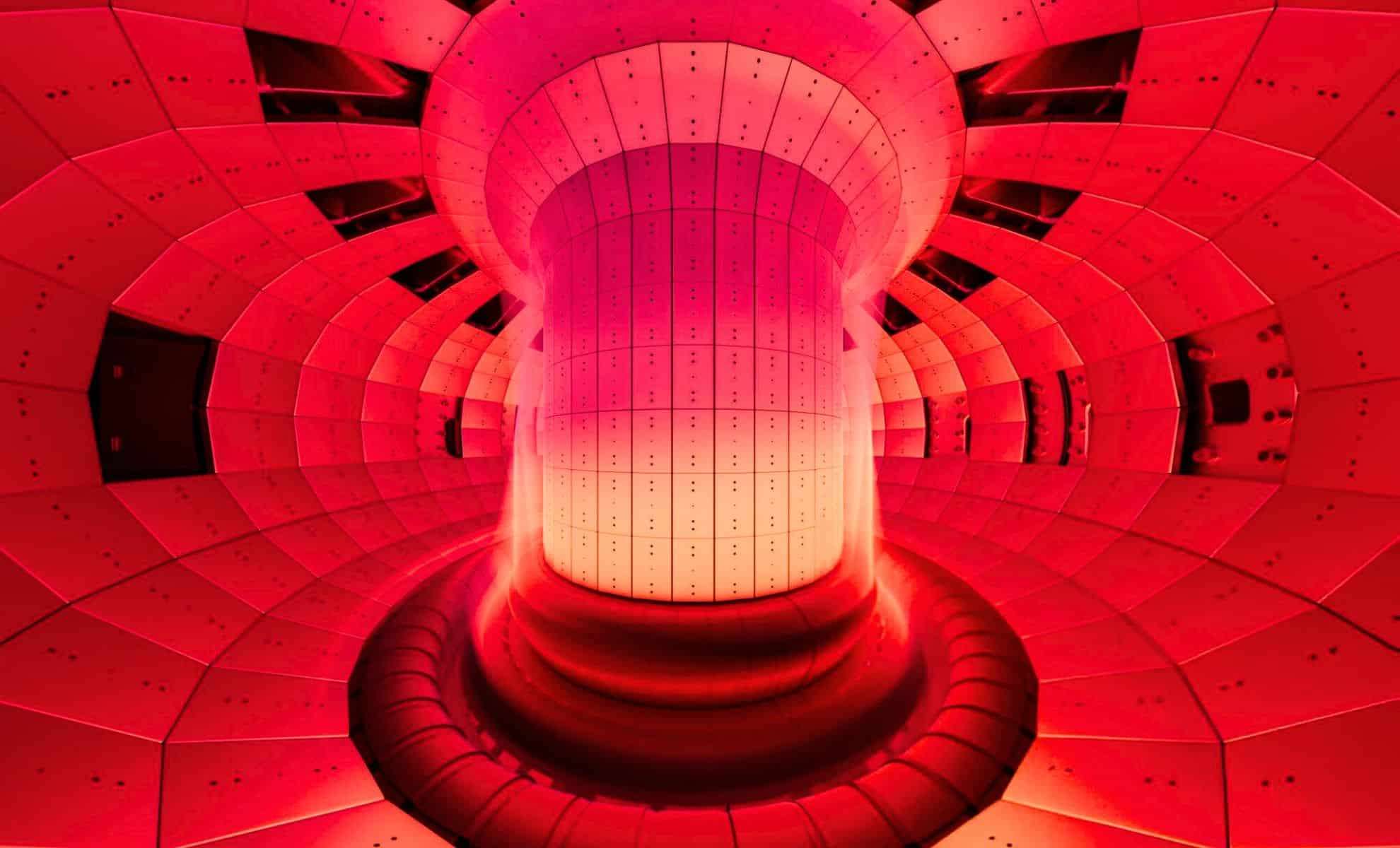
For many years, nuclear fusion has been regarded as the ultimate solution for clean energy, promising an endless and transformative power source. Achieving steady fusion, however, has been a monumental challenge due to the extreme heat and precise containment needed to manage volatile plasma.
Recently, a research team headed by Dr. Anne-Isabelle Etienvre from the French Atomic Energy Commission (CEA) has set a new benchmark by sustaining plasma for an extraordinary 22 minutes. This milestone marks a crucial advancement in the race toward practical fusion power.
Understanding Fusion: The Importance of Plasma Control
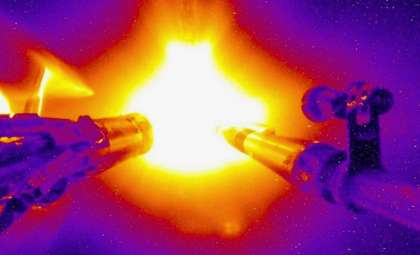
Nuclear fusion powers the stars by merging light elements to unleash vast energy. Replicating this on Earth requires heating particles beyond 100 million degrees Celsius (over 1.8 million °F), creating an ultra-hot, ionized gas called plasma.

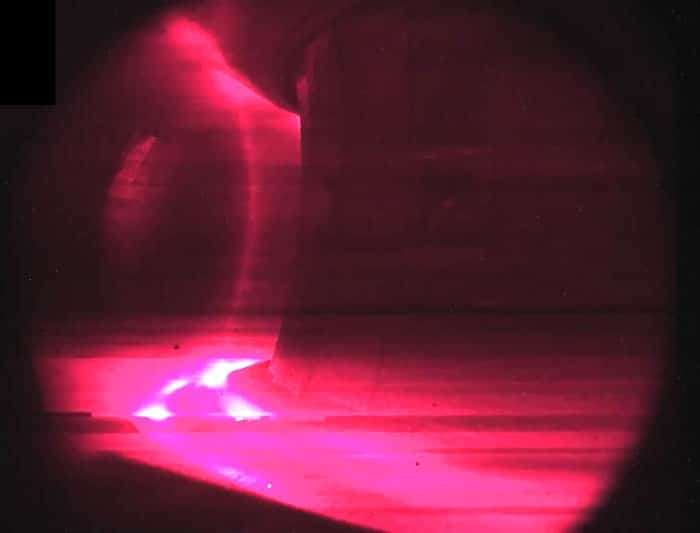
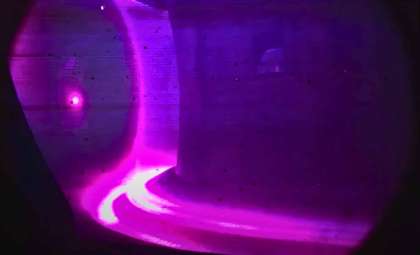
Keeping the plasma stable is extremely challenging. Any disruption in magnetic containment or external disturbances can cause the plasma to cool or leak, halting the fusion process. Devices known as tokamaks maintain this delicate equilibrium through intricate magnetic fields. The newly achieved record of 22 minutes plasma confinement reflects notable progress in mastering this complexity.
Reflecting on their success, Dr. Etienvre commented, “Experiments will continue with increased power,” signaling further ambitious steps in fusion research.
This achievement occurred at the CEA’s tokamak center in Cadarache, a key facility in southern France that leads cutting-edge fusion experimentation. Their record surpasses previous achievements, including those by Chinese researchers, underscoring a global but cooperative pursuit of fusion breakthroughs.
Worldwide Collaboration: Driving Fusion Forward
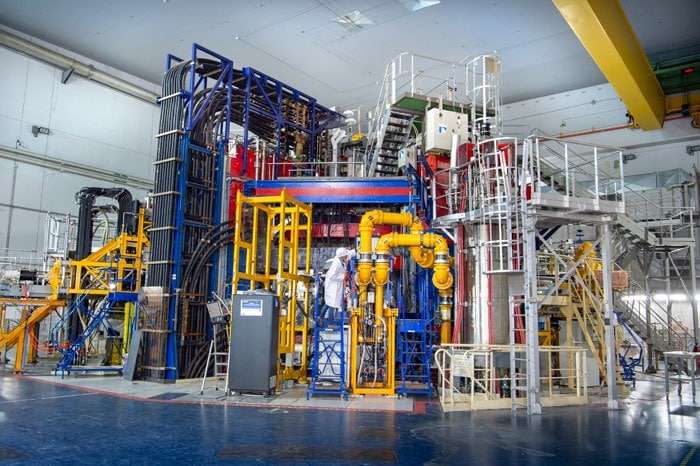
The French record is part of a larger, international fusion initiative. The International Thermonuclear Experimental Reactor (ITER), now being assembled in Saint-Paul-lès-Durance, southern France, exemplifies the global cooperation involved.
ITER unites 35 nations—including China, the European Union, India, Japan, South Korea, Russia, and the United States—working together to construct the most ambitious tokamak ever built.
While the ITER project has seen delays, smaller-scale experiments like the one at CEA are vital for testing and refining solutions. Breakthroughs such as the 22-minute plasma confinement contribute valuable knowledge aiding ITER’s success.
The ITER tokamak will measure 30 meters tall and weigh 23,000 tons, with the target of reaching a tenfold energy output, generating 500 megawatts of power from just 50 megawatts input. Its first plasma is projected in the late 2020s, with full operation envisioned in the 2030s.
Fusion's Advantages Over Nuclear Fission
Unlike nuclear fission—which splits atoms and creates hazardous, long-lasting radioactive waste—fusion merges hydrogen atoms into helium, producing minimal radioactive remnants and no harmful greenhouse gases. The fusion fuel, hydrogen, is the most plentiful element in the cosmos, offering nearly limitless energy potential.
Though fusion faces technical and financial hurdles, recent triumphs, including the 22-minute plasma record and Europe’s Joint European Torus (JET) reaching 59 megajoules of sustained fusion energy in 2022, demonstrate accelerating progress.
Environmental stakes are high, as highlighted by the Intergovernmental Panel on Climate Change (IPCC), which stresses the urgency of shifting to low-carbon power. Fusion’s clean and sustainable profile places it at the forefront in combating climate change.
Looking Ahead: From Experimental Success to Commercial Power
Despite this landmark 22-minute plasma maintenance, achieving commercial fusion power remains a goal requiring further innovation. Scientists aim to reach net energy gain—where fusion plants produce more energy than they use—by extending plasma stability to hours and maximizing output levels.
Upcoming research targets longer plasma durations, higher power yields, and controlling contaminants that destabilize the reaction environment.
The CEA group in Cadarache is preparing additional experiments to enhance plasma stability by raising energy input and fine-tuning control systems. Their work is vital to confirm that fusion energy can meet the world’s power demands.
- Categories:
- Science








0 comments
Sign in to Comment