
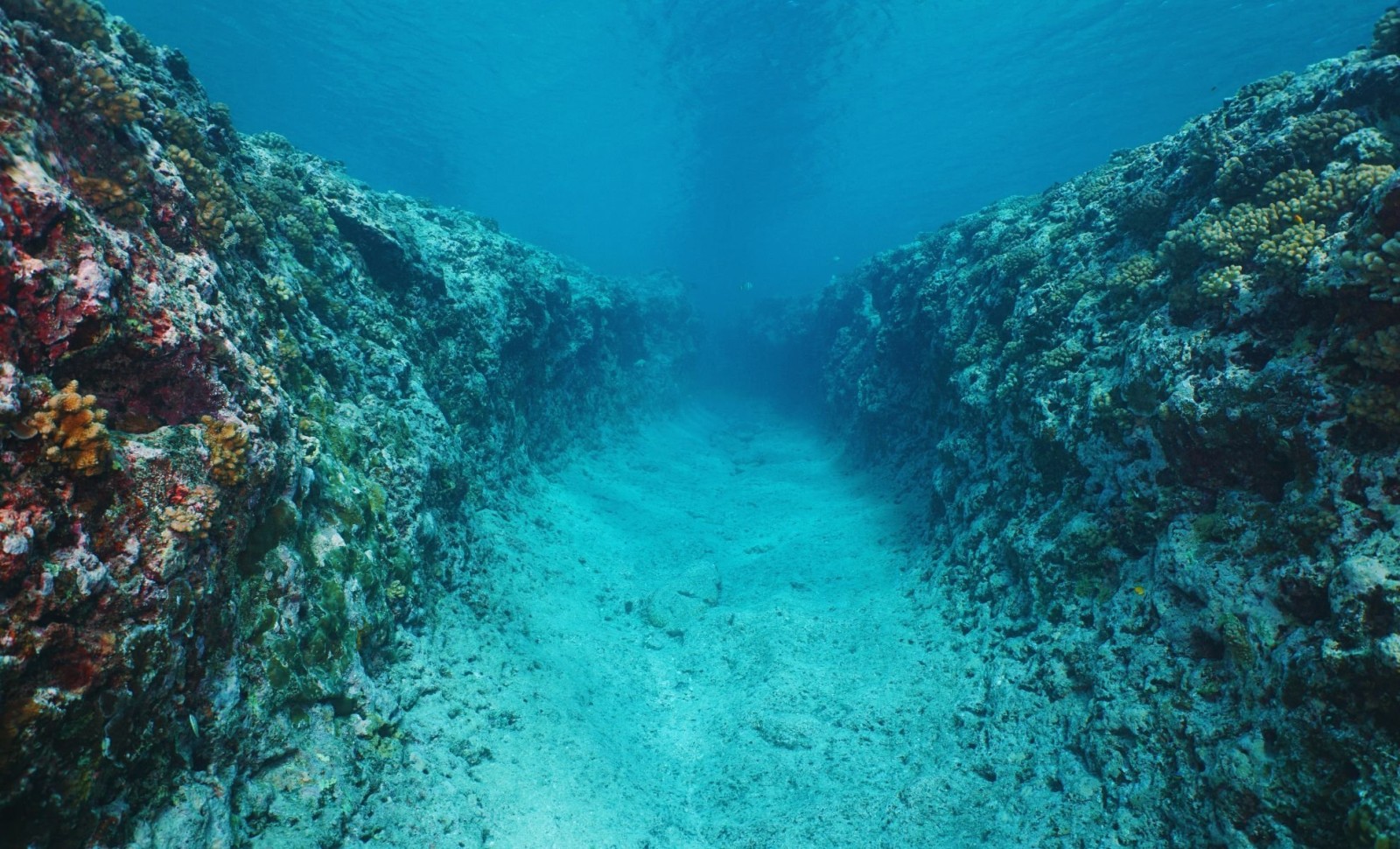
Researchers have identified evidence of a long-lost continent submerged beneath the Indian Ocean. Minute mineral particles discovered in the sands along Mauritius' shores suggest the existence of an ancient landmass—called Mauritia—which once occupied the space between India and Madagascar before disappearing underwater.
Though a relatively minor feature in the grand scheme of plate tectonics and continental drift, this discovery, detailed in the Nature Geoscience journal, offers compelling proof of a hidden microcontinent beneath the ocean. It also highlights how incredibly old geological fragments can be brought to the surface even on youthful volcanic islands.
Unexpectedly Ancient Zircon Crystals
While examining sands derived from volcanic eruptions dated to about nine million years ago on Mauritius, scientists uncovered something unusual: zircon crystals with astonishingly old ages. Some zircons originated close to two billion years ago. The findings published in Nature Geoscience confirm that these crystals could not have been formed on a geologically young volcanic island like Mauritius.

“We found zircons that we extracted from the beach sands, and these are something you typically find in a continental crust,” said Professor Trond Torsvik, who led the research at the University of Oslo.
With ages spanning between 600 million and 1.97 billion years, these crystals do not correspond to the island’s recent volcanic past. The most plausible interpretation is that they are fragments of ancient continental crust, unearthed by volcanic activity and transported to the surface through magma.
A Fragment from an Ancient Supercontinent
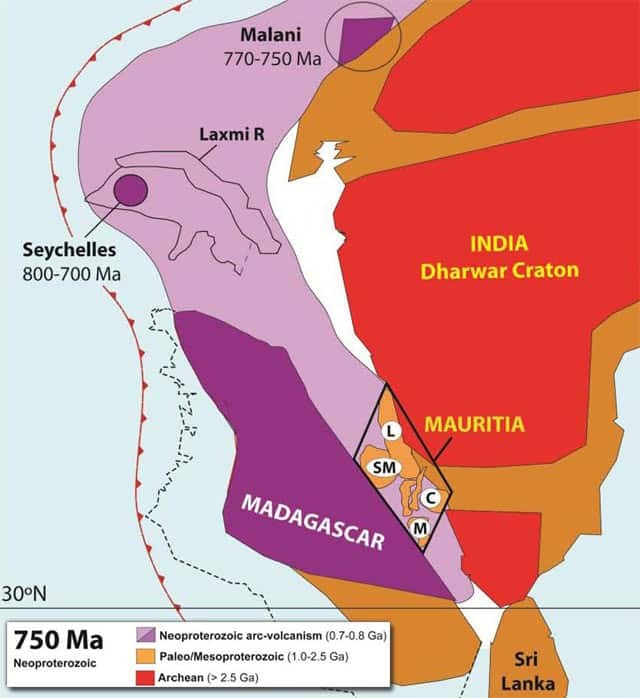
Tracing back to around 750 million years ago during the era of the supercontinent Rodinia, India and Madagascar were once adjacent. In the narrow space between these two, Mauritia existed, concealed until tectonic motions gradually pulled the landmasses apart.
The fragmentation process is estimated to have begun about 85 million years ago when India started migrating northeast. This movement caused Mauritia to break apart and submerge beneath the ocean, leaving behind only traces visible today.
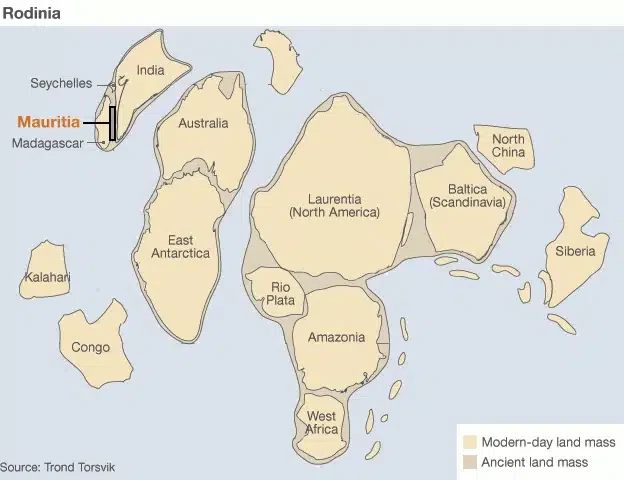
Currently, remnants of this ancient microcontinent are believed to rest below Mauritius and possibly under the Seychelles, another granitic formation that is unusually located amid the ocean.
Exploring the Ocean Floor’s Hidden Past
The ancient zircons offer critical clues, but scientists stress the need for additional evidence. Advanced seismic imaging, which uses sound waves to visualize subsurface structures, could uncover whether larger parts of this buried continent still exist.
“We need seismic data which can image the structure… this would be the ultimate proof. Or you can drill deep, but that would cost a lot of money,” explained Torsvik in his interview with the BBC.
Obtaining core samples from the seabed could provide definitive confirmation, though the expense involved is considerable. Nevertheless, the quest to uncover remaining fragments beneath basalt and sediment layers continues to inspire scientists eager to reveal this hidden chapter in Earth's geological timeline.
- Categories:
- Science


0 comments
Sign in to Comment