
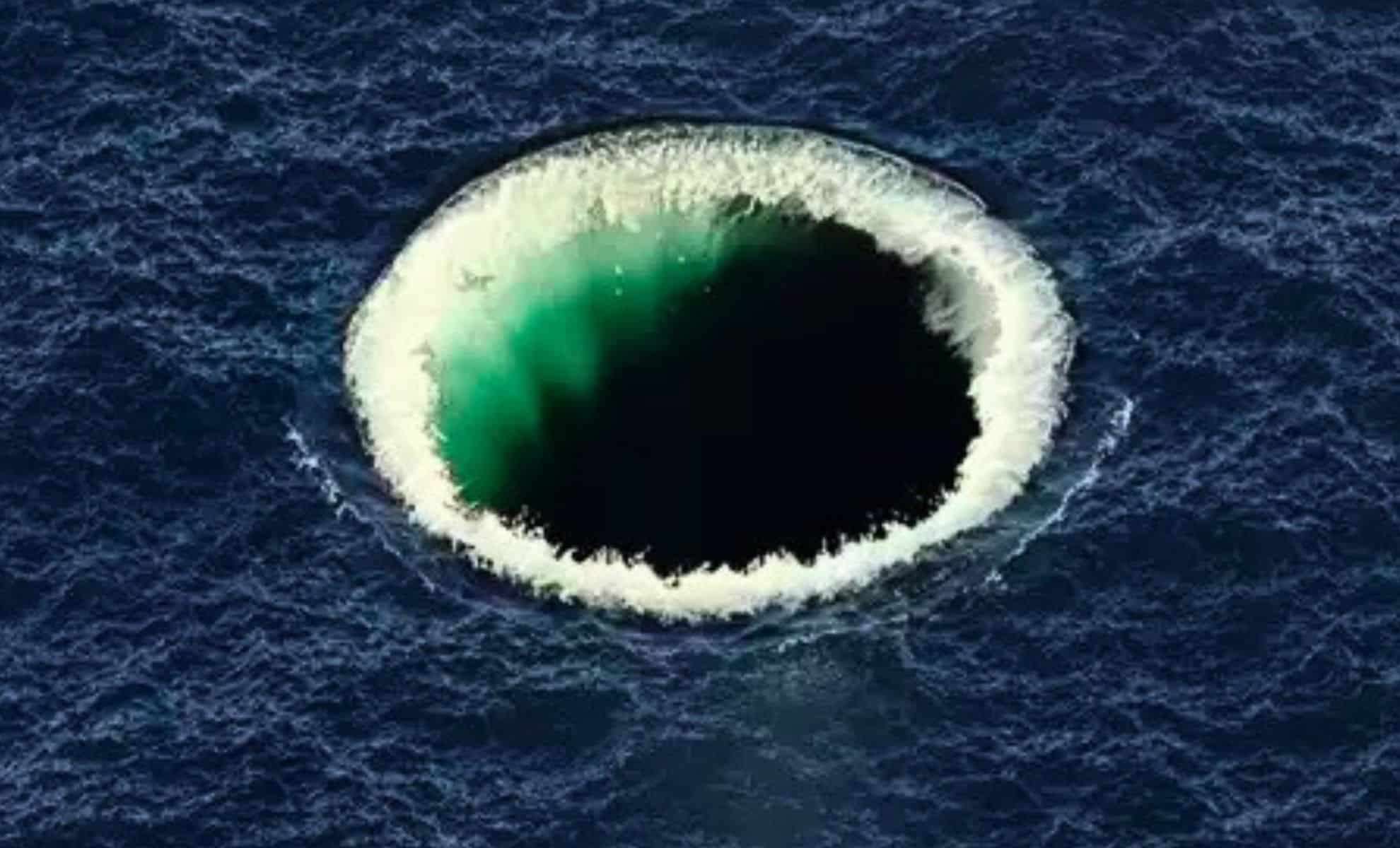
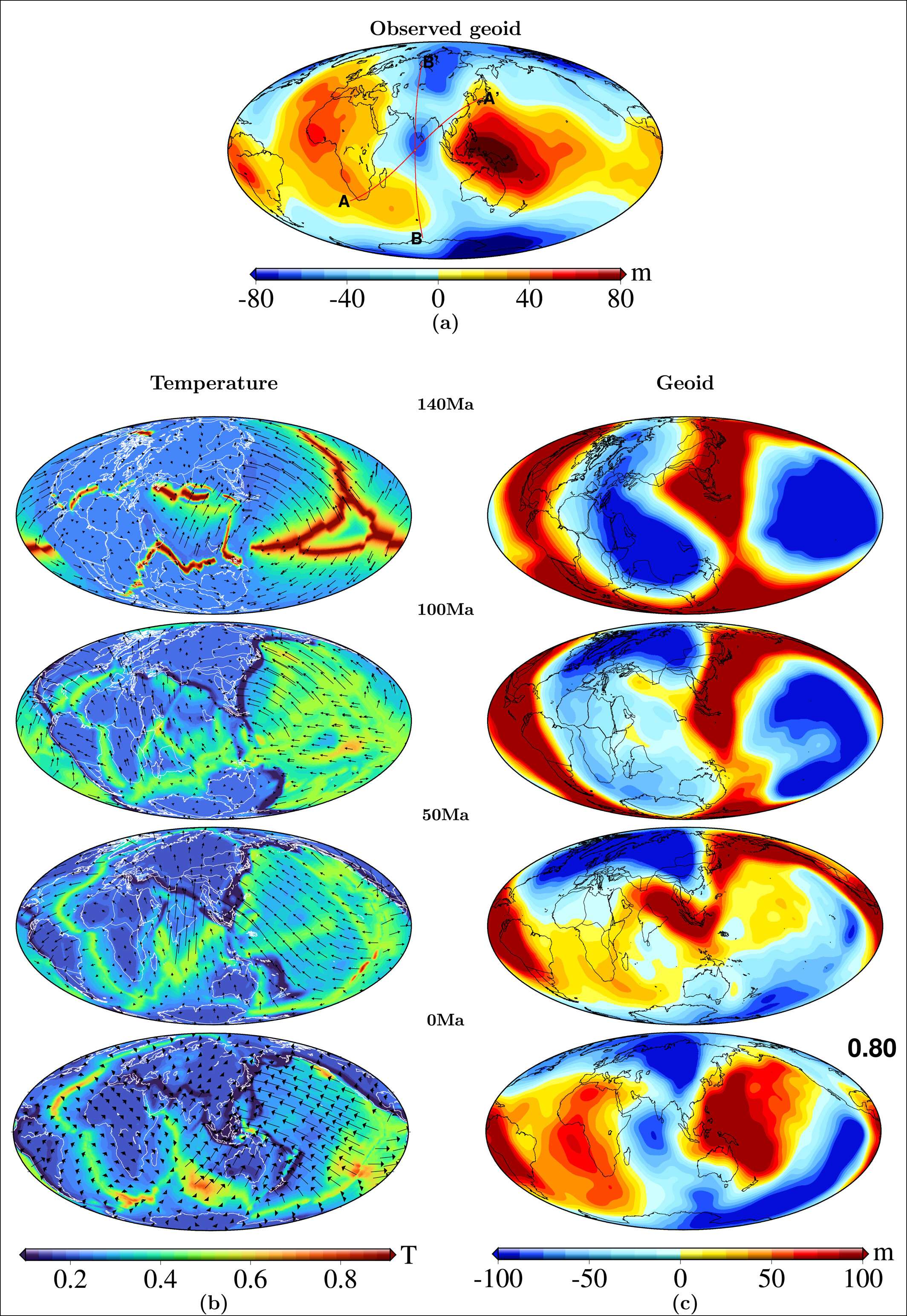
Recently published research in Geophysical Research Letters sheds light on one of Earth’s most intriguing gravitational anomalies—a vast gravity depression located beneath the Indian Ocean. Known as the Indian Ocean Geoid Low (IOGL), this feature causes the sea surface in this region to lie about 106 meters lower than adjacent ocean levels, with gravity forces here weaker than anywhere else on the planet. New findings indicate that ancient mantle convection movements dating back roughly 140 million years may explain this long-standing enigma.
Unraveling the Complexity of Earth's Gravitational Field
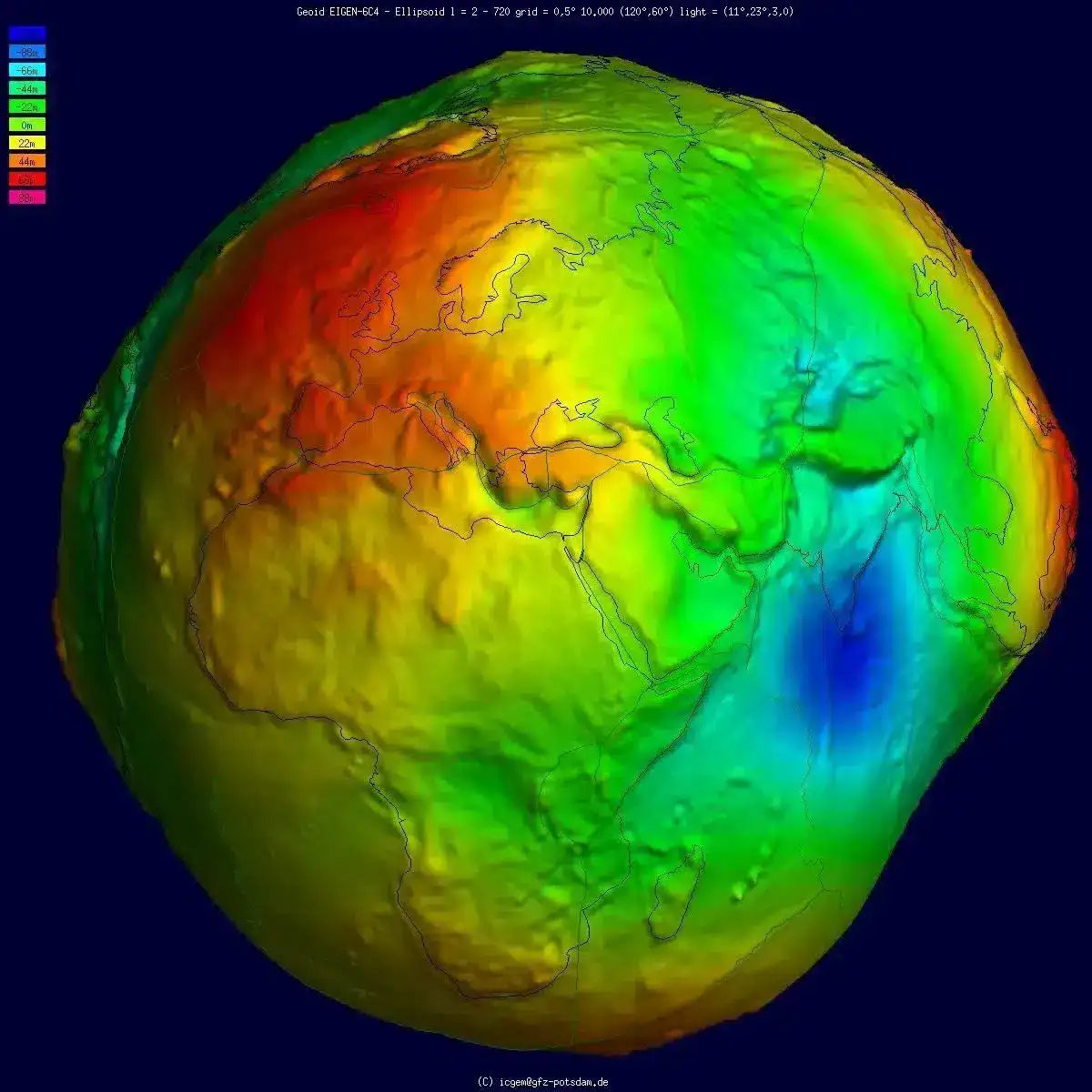
Viewed from a satellite’s perspective, Earth’s surface appears smooth and consistent. However, beneath the surface, variations in gravity highlight complex differences in the planet’s interior mass distribution. These discrepancies, called geoid anomalies, directly affect sea level topography and gravitational strength across different global regions.
The IOGL ranks as the most significant gravity dip observed on Earth. Understanding its cause has been challenging. Early hypotheses centered on tectonic mechanisms such as the subduction of oceanic tectonic plates into the mantle. However, advanced computer modeling and seismic observations have shifted focus to deep mantle convection that began some 140 million years ago as the driving factor behind the anomaly.

The Role of the African Superplume in Creating the IOGL
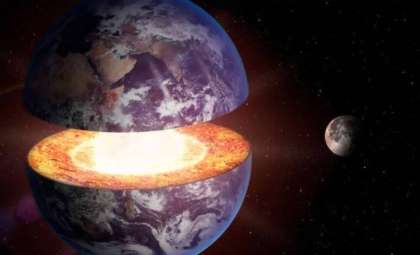
A pivotal element in explaining the IOGL is the African superplume, a vast upwelling of intensely hot mantle material. The study posits that this plume extends beneath the Indian Ocean, carrying buoyant, high-temperature mantle material from depths between 300 and nearly 900 kilometers. This creates a region with reduced mass density, which in turn weakens gravitational pull at the ocean’s surface.
The African superplume stretches eastward, influencing the mantle beneath the Indian Ocean. The uplift of less dense rock from this superplume disrupts the gravitational field locally, playing a critical role in the formation of the IOGL.
Tectonic Evolution Linked to the Gravity Anomaly
The development of the IOGL is intertwined with the tectonic evolution of the Indian Ocean. Around 140 million years ago, the Indian subcontinent was separated from Asia by a vast ocean basin. As India moved northward over millions of years, subduction of oceanic plates into the mantle occurred beneath it. This, along with rising mantle plumes from the African superplume, progressively shaped the geological structure responsible for the IOGL.
The findings indicate that tectonic events related to the demise of the ancient Tethys Ocean, combined with mantle dynamics associated with the African superplume, were instrumental in forming this extraordinary gravity anomaly. The study’s simulations chronicle mantle convection and plate motion across millions of years, illustrating their combined influence on the IOGL’s evolution.
As further investigations proceed, this new research helps clarify how the deep Earth’s mantle processes develop over geological timescales and impact the planet’s gravitational field and surface characteristics.
- Categories:
- Science









0 comments
Sign in to Comment