
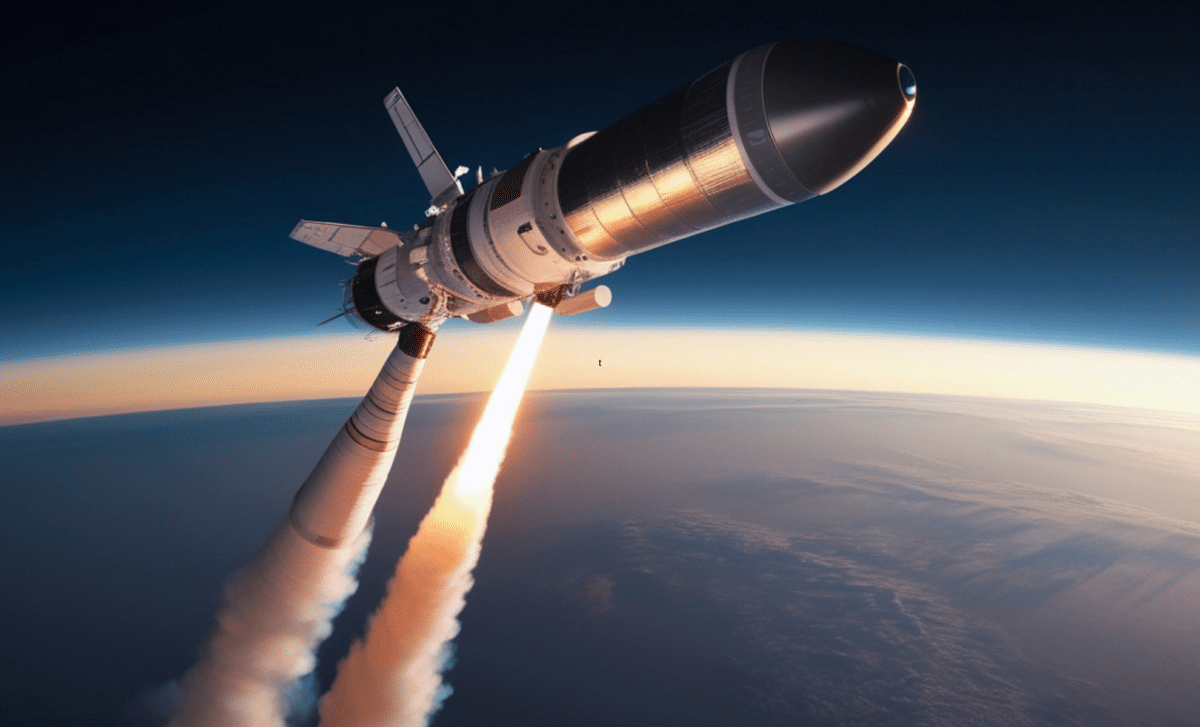
Advancements in spacecraft propulsion are vital for pushing the boundaries of space exploration. As humanity sets its sights on distant targets such as Mars and beyond, improving propulsion technology remains a top priority. New research featured in The Conversation highlights the transformative impact that artificial intelligence (AI), especially reinforcement learning, is having on the development and optimization of propulsion systems. This emerging technology is enabling breakthroughs that could even lead to practical nuclear-powered rockets.
AI-Driven Enhancements in Propulsion: A New Era for Space Travel
Artificial intelligence, with a focus on reinforcement learning, is now being applied to push spacecraft propulsion designs beyond traditional limits. Efficient propulsion is essential for reaching remote destinations in space, and AI’s capacity to analyze complex datasets and identify optimal solutions allows for rapid and precise improvements. By simulating countless operational scenarios, AI helps refine propulsion mechanisms and accelerates innovation in their design.
The study published in The Conversation emphasizes that reinforcement learning not only advances propulsion design but also boosts performance during missions. This technology adapts dynamically to challenges like fuel efficiency and equipment malfunctions by continually learning from operational conditions, thus enhancing the odds of mission success.

Reinforcement Learning: Pioneering Smarter Propulsion Designs
The design stage of spacecraft propulsion has traditionally depended on expert judgment and iterative tweaks. Now, reinforcement learning, a branch of AI, revolutionizes this process by running extensive simulations of various propulsion configurations. AI evaluates these iterations to discover the most effective setups. With its immense data-processing ability, it identifies optimal reactor shapes, fuel flow patterns, and materials essential for crafting energy-efficient propulsion systems.
The research outlines how reinforcement learning’s real-time adjustment capabilities address prior weaknesses. For example, early nuclear thermal propulsion systems like NASA’s NERVA project grappled with efficient heat transfer. AI now offers precise assessments and control over these variables, significantly enhancing heat management between reactors and propellant, thus improving thrust efficiency.
Nuclear Thermal Propulsion: Accelerating Interplanetary Missions
Nuclear thermal propulsion represents a promising advance in space travel technology. Unlike conventional engines that rely on chemical fuel combustion, nuclear propulsion generates power through nuclear reactions, enabling much faster spacecraft acceleration. This method could dramatically reduce travel durations to worlds such as Mars, making crewed missions more feasible.
Reinforcement learning plays a central role in fine-tuning nuclear thermal propulsion by examining factors like heat exchange effectiveness and fuel management. These AI-assisted optimizations ensure reactor designs produce strong thrust while prioritizing safety and performance. As a result, nuclear-powered spacecraft could lower mission costs and revolutionize distant space travel.
Expanding AI's Role: From Nuclear Fusion to Breakthrough Propulsion
Artificial intelligence’s impact extends beyond thermal nuclear propulsion to the frontier concept of fusion propulsion. Fusion engines release enormous energy by merging light atoms such as hydrogen, mimicking solar processes. Creating the extreme environments needed for fusion within compact spacecraft remains a formidable challenge.
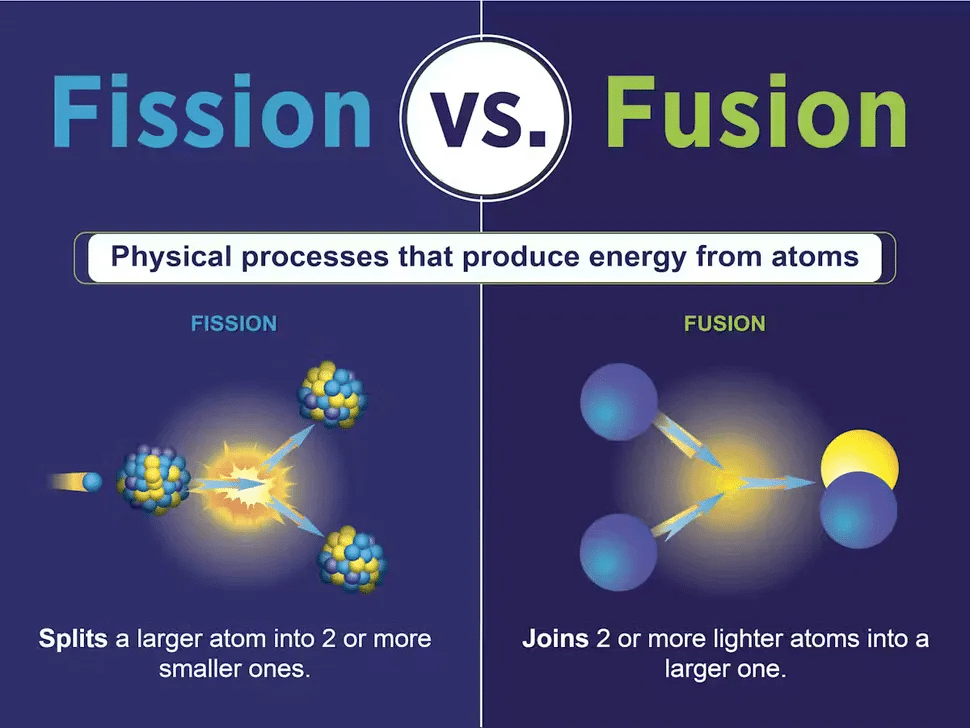
Researchers are leveraging AI-driven reinforcement learning to address these obstacles. For example, compact fusion devices like polywells rely on magnetic fields to contain plasma. Reinforcement learning optimizes these magnetic configurations to sustain fusion reactions. Such innovations could one day enable fusion-powered rockets, fundamentally changing long-duration spaceflight.
Adaptive AI: Enhancing Propulsion Performance Throughout Space Missions
Beyond design improvements, AI plays a vital role in propulsion system management during active space missions. Spacecraft encounter unpredictable challenges like fluctuating fuel levels, unexpected malfunctions, and space environment hazards. AI’s ability to make instantaneous, adaptive decisions helps maintain optimal propulsion operation under these conditions.
As highlighted in The Conversation, reinforcement learning supports fuel management and propulsion adjustments throughout missions. Whether it’s fine-tuning fuel flow for improved efficiency or compensating for technical faults, AI ensures spacecraft performance remains high. This responsiveness will be key to safer, more affordable, and efficient space explorations.
- Categories:
- Space





0 comments
Sign in to Comment