
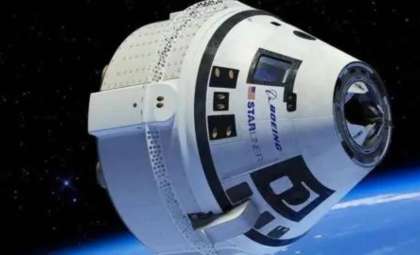
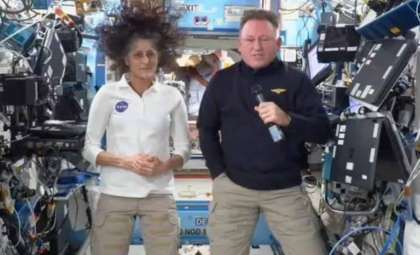
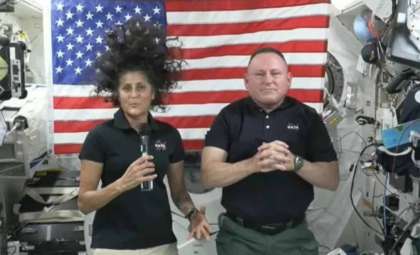
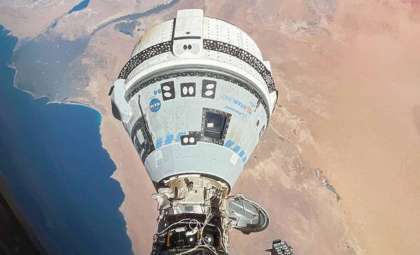
On June 6, 2024, Boeing’s Starliner spacecraft achieved docking with the International Space Station, carrying NASA crew members Sunita Williams and Barry Wilmore. This pivotal mission, designed to certify the spacecraft for ongoing ISS operations, soon encountered significant challenges. The capsule suffered multiple propulsion-related malfunctions, including:
- Two instances of helium leakage
- Five hydrogen leaks during transit
- Four further hydrogen leaks after docking
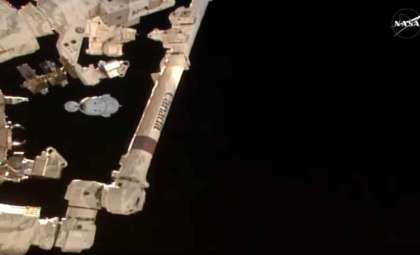
These complications compelled NASA to delay the astronauts' return indefinitely. Despite extensive troubleshooting by Boeing and NASA engineers, the malfunction causes remained elusive. Prioritizing crew safety, NASA ultimately decided to send the Starliner capsule back to Earth without its crew onboard.
SpaceX’s crucial intervention
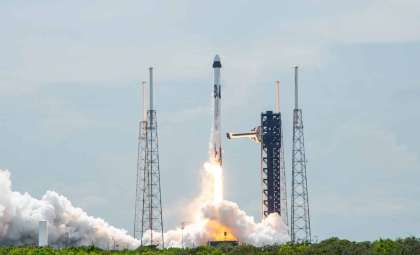
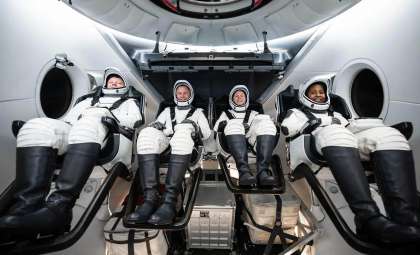
With Williams and Wilmore left aboard the ISS, NASA enlisted the aid of its dependable partner SpaceX. On August 24, 2024, both parties agreed on a plan to retrieve the stranded astronauts via an upcoming Crew Dragon flight scheduled for September 2024. This mission aims to safely return the astronauts to Earth by February 2025, as detailed in this report.

This emergency retrieval highlights the indispensable support private aerospace companies provide to governmental space programs. According to aeronautics expert Gérard Feldzer, president of Aviation Without Borders:
“Since the end of the space shuttle program in 2011, the United States has lacked independent access to space. The fate of astronauts now depends on private enterprises – or even Russian Soyuz capsules.”
Effects on ISS scheduling and crew management
The prolonged presence of Williams and Wilmore on the ISS has prompted modifications to upcoming missions and crew assignments. Nonetheless, experts affirm that the station can comfortably support the extended crew. Feldzer comments, “There’s ample margin for provisions and oxygen.”
To accommodate the rescue, SpaceX’s September launch will transport only two astronauts, down from the usual four. This adjustment maintains NASA’s operational presence aboard the ISS while facilitating the safe return of the stranded personnel. The following table compares previous and revised crew arrangements:
Mission Original Crew Adjusted Crew September 2024 Launch 4 astronauts 2 astronauts February 2025 Return 4 astronauts 4 astronauts (including Williams and Wilmore)
Despite their unplanned extended stay, Williams and Wilmore have taken advantage of this time to contribute to ongoing scientific experiments aboard the ISS.
Broader impacts on spaceflight’s future
The Starliner incident and SpaceX’s prompt response underscore the changing dynamics in space exploration. Although Boeing’s standing has taken a hit, industry analysts remain confident in its recovery. Feldzer observes, “Boeing will bounce back. It’s a national flagship, the leading exporter of foreign currency, with activities in defense as well. Their stock hasn’t plummeted either.”
This episode has highlighted several key priorities:
- Expanding the variety of space transport vehicles
- Encouraging competition among private aerospace firms
- Ensuring flexible mission strategies
- Emphasizing safety and dependability in spacecraft engineering
As NASA increasingly depends on commercial partners for access to low Earth orbit, SpaceX’s successful rescue mission may reinforce the company’s vital role in the space sector. Such collaborations between government and private industry promise to shape the trajectory of future space endeavors, including missions to the Moon, Mars, and beyond.
- Categories:
- Nasa






0 comments
Sign in to Comment