
Huawei, the Chinese technology powerhouse, has unveiled the globe’s inaugural 100 megawatt electric vehicle charging station. This cutting-edge facility boasts the capability to provide 100 kilometers of driving range in just five minutes. Situated in Beichuan, Sichuan Province, it is tailored for electric heavy trucks and currently serves upwards of 700 units daily. As reported by Interesting Engineering, this breakthrough goes beyond merely surpassing existing electric vehicle charging speeds—it sets an entirely new standard.
Simply put, this is the most rapid and powerful EV charging complex ever established. Beyond speed, the station integrates solar energy, battery reserves, and grid stabilization technologies that could define the future of electric vehicle infrastructure worldwide.
Unparalleled Charging Facility
Spanning 4.7 hectares (11.5 acres) in China’s prominent sand and gravel mining region, the project was developed by Sichuan Yuanqi Xingguang Digital Energy Technology, with Huawei supplying the essential technology. The investment amounts to roughly $21 million (about €19.8 million) in the electrification of freight transportation.

Key technical features include:
- 18 ultra-high capacity chargers rated at 1.44 MW each
- 108 additional charging bays equipped with 600 kW power output
- Overall design capacity reaching 100 MW
- Daily energy throughput exceeding 300,000 kWh
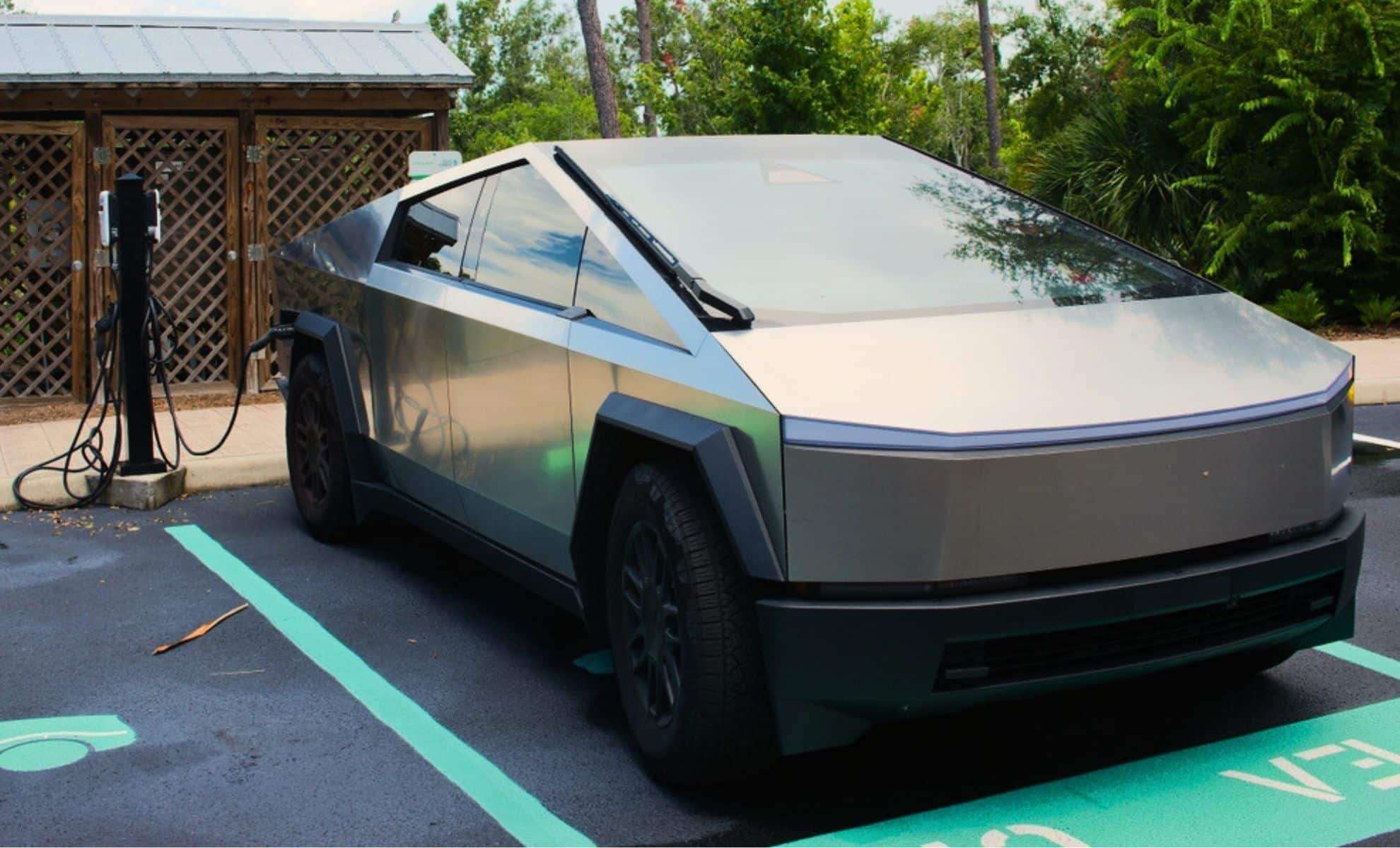
By comparison, Tesla’s newest Supercharger V4 offers a maximum output of 350 kW, making Huawei’s top chargers nearly four times as potent.
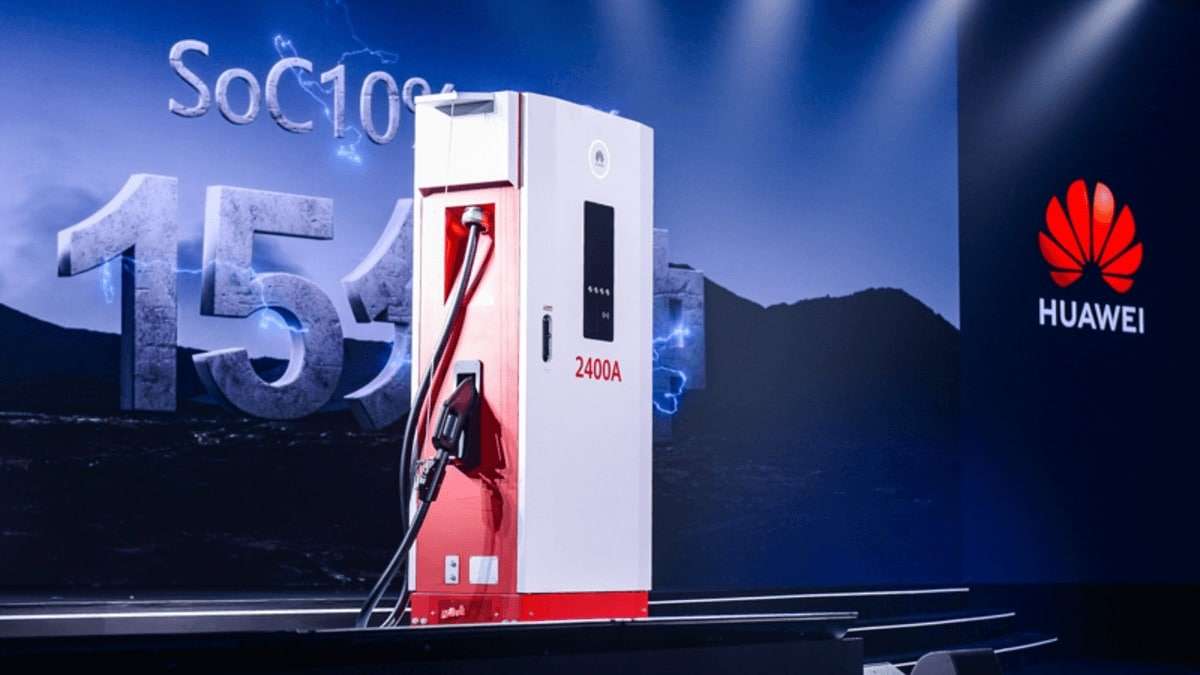
Using Huawei’s proprietary “3.5C” rapid-charging protocol, vehicles can recharge 62 miles (100 kilometers) of travel range within five minutes. Although this technology currently targets heavy trucks, it holds significant promise for slashing charging times of passenger EVs once adapted.
The Secret Behind Its Speed and Sustainability
The station’s hallmark is not only its rapid charging capability but also its sustainable energy management. Unlike typical charging setups, Huawei has engineered a fully integrated “source-grid-load-storage” microgrid system that synergizes:
- Solar panels delivering up to 1 MW of power
- Two energy storage units each holding 215 kWh, utilizing wind-liquid hybrid technology
- Dynamic real-time balancing of renewable inputs, stored energy, and grid supply
This sophisticated infrastructure allows seamless operation even when disconnected from the primary grid — a critical advantage in areas susceptible to power outages or variability. The system generates approximately 5,000 kWh of clean energy daily, lowering dependence on the national power supply and offsetting the station’s considerable energy usage.
Further enhancing efficiency is the deployment of Virtual Power Plant (VPP) technology. This platform aggregates and optimizes distributed energy assets, enabling the station to purchase electricity during low-cost periods and feed surplus power back to the grid at peak demands. This practice, known as peak-valley arbitrage, supports grid stability and also generates revenue streams for operators.
Those interested in a technical overview of VPPs within smart grids can refer to resources from the International Renewable Energy Agency (IRENA) on managing distributed energy resources.
Economic and Environmental Benefits for Freight Transport
Given that long-distance trucking ranks among the highest polluting sectors globally, electrifying this industry has been challenging—until now. Huawei estimates that trucks utilizing this station will experience fuel cost reductions of roughly €0.20 per kilometer (about $0.21 per mile). Annually, this translates into savings of approximately €19,000 ($21,000) per truck.
When scaling these savings across fleets, such as 50 trucks, the financial case becomes compelling—particularly against the backdrop of rising fuel prices and increasingly stringent emission standards. Huawei projects that over three years, these savings might cover the entire cost of the vehicle.
Equally important is the ecological impact; early studies project the charging station could reduce carbon dioxide emissions by up to 45,000 tonnes annually. This makes it a pioneering example of sustainable electrified logistics.
Worldwide Impact and Industry Reception
Though initially designed to serve China’s mining and bulk haulage sectors, the station’s architecture underscores wider aspirations. Huawei reports collaboration with European and American partners, and experts anticipate similar high-capacity charging hubs could soon emerge along strategic freight routes across Europe, North America, and the Middle East.
However, challenges persist; regulatory hurdles, interoperability standards, and grid integration complexities will need resolution outside China. Despite Huawei’s charging power advantage, Tesla maintains a robust global network with entrenched infrastructure advantages, especially in the passenger EV market.
Still, for nations aiming to reduce freight emissions and bolster energy resilience, Huawei’s project stands as a compelling real-world prototype for the future of heavy-duty electric transportation.
- Categories:
- News










0 comments
Sign in to Comment