
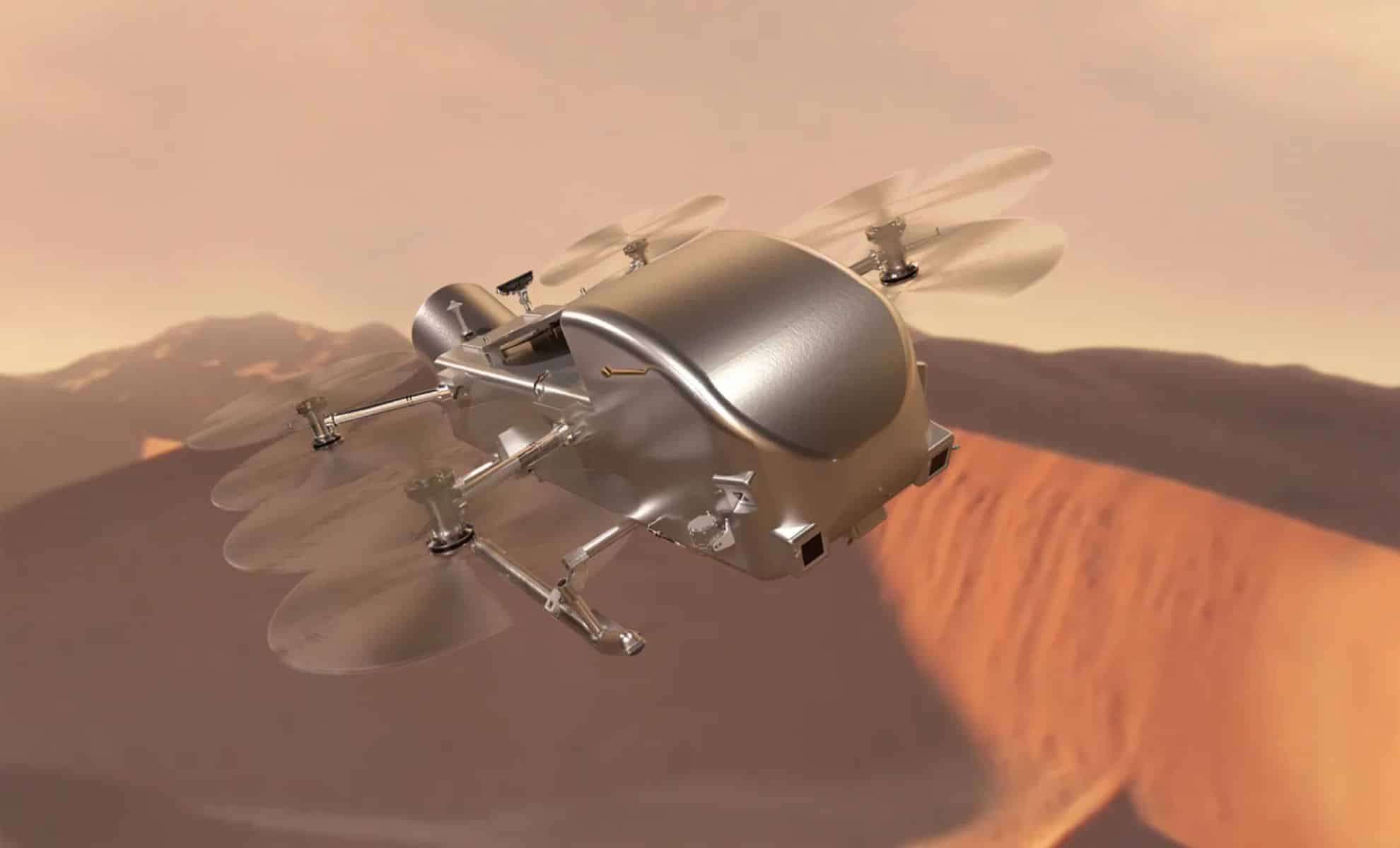
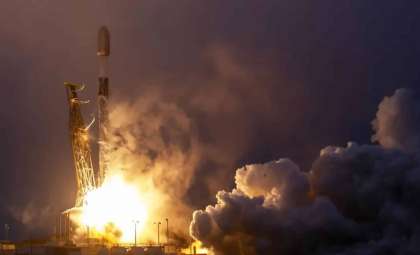
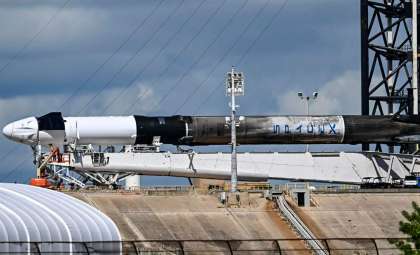
NASA is gearing up for the launch of its Dragonfly mission, a pioneering expedition aimed at exploring Titan, Saturn’s largest moon. Scheduled to launch in July 2028 aboard the powerful Falcon Heavy rocket from SpaceX, this mission will utilize a nuclear-powered flying probe to examine Titan’s atmosphere, surface features, and the chemical processes that may hint at the potential for life beyond our planet. With a robust budget of $3.35 billion and international scientific collaboration, Dragonfly is poised to deepen our understanding of this distant world.
A Unique Rotorcraft for Titan Exploration
The centerpiece of NASA’s Dragonfly project is its one-of-a-kind rotorcraft, engineered to traverse Titan’s complex terrain by flying and landing at multiple sites. Unlike conventional landers, this flying vehicle will give scientists access to a variety of locations across the moon’s surface. Powered by a nuclear propulsion system, Dragonfly will operate for roughly 2.5 years Earth-time, gathering extensive data from scientifically rich regions of Titan.
Titan presents a fascinating environment, featuring stable liquid bodies composed of methane and ethane, making it the only moon known to possess liquid on its surface. Its thick atmosphere and organic-rich landscape make Titan an exceptional target to investigate the possibility of prebiotic chemical processes—those chemical reactions that may lead to the emergence of life.

Titan: A Mysterious and Earth-like Moon
As Saturn’s largest satellite, Titan is cloaked in a dense atmosphere primarily of nitrogen along with methane and hydrogen. Its surface temperature is extremely cold, averaging around -290°F (-179°C), creating a unique environment that is both alien and reminiscent of early Earth. The existence of hydrocarbon seas and abundant organic molecules fuels speculation about Titan’s capacity to harbor conditions suitable for life.
Scientists are particularly drawn to the potential for prebiotic chemistry on Titan, where simple organic molecules might have combined over time to form more complex structures. This, combined with the presence of carbon-based compounds and possible liquid environments, positions Titan as a prime candidate for studying the origins of life beyond Earth.
Key Objectives of the Dragonfly Mission
The Dragonfly spacecraft is set to explore some of the most profound questions concerning the origins of life. Its mission includes investigating how carbon-rich substances and liquid water might have interacted on Titan to foster prebiotic chemistry. Given Titan’s extremely cold environment, these chemical processes could offer fresh insights into how life might begin under such conditions. The mission’s primary scientific goals include:
1. Assessing Titan’s habitability:
Dragonfly will analyze the environmental conditions on Titan by studying its atmosphere and surface, focusing on how the moon’s organic chemicals and liquid methane could support existing or past life forms.
2. Probing prebiotic chemistry:
The mission will examine Titan’s surface and atmosphere for signs of chemical reactions that could indicate the progression toward life, focusing on interactions between organic molecules and liquids found in Titan’s lakes.
3. Searching for evidence of life:
Dragonfly aims to detect chemical signatures that may reveal whether water-based or methane-based life exists or once existed on Titan, offering potential breakthroughs in astrobiology.
“As Dragonfly moves closer to launch in 2028, the scientific team looks forward to uncovering whether Titan’s distinctive environment harbors key ingredients for life,” NASA officials stated. “With worldwide support, Dragonfly will evaluate Titan’s habitability, explore the evolution of prebiotic chemistry influenced by carbon-rich materials and liquid interactions, and search for chemical markers of past or present life on Saturn’s intriguing moon.”
- Categories:
- News







0 comments
Sign in to Comment