

The Hubble Space Telescope, an iconic pillar of modern astronomy, encounters new obstacles as it extends its mission into its fourth decade.
NASA recently disclosed complications arising from one of the three functional gyroscopes that are vital for stabilizing and precisely orienting the telescope.
Nonetheless, NASA remains hopeful about Hubble’s operational lifespan, underscoring its capability to perform pioneering scientific observations well into the 2030s.

NASA’s Strategy Moving Forward with Hubble
Following the malfunction of a critical gyro, mission officials transitioned Hubble into a backup control mode. While this adjustment limits some observational capacities, it ensures continued operation. Patrick Crouse, the Hubble project manager, remarked, “We maintain strong confidence in the telescope’s reliability, expecting it to successfully deliver groundbreaking science through the remainder of the 2020s and into the 2030s.”
The issue with the gyroscope surfaced on May 24, when gyro number 3 was deactivated after showing irregular behavior. This left the telescope reliant on two operational gyros. Years ago, NASA devised software that permits Hubble to function using a single gyro, reserving another for emergencies. Although this operating mode reduces some efficiency, it significantly prolongs the telescope's active service. Crouse explained, “Our team established a one-gyro operational plan more than two decades ago, which remains our best path forward to extend Hubble’s mission.” This approach enables ongoing high-quality data collection, albeit with reduced maneuvering speed and observational flexibility.
Background on Hubble’s Gyroscope Difficulties
Launched aboard the Space Shuttle Discovery on April 24, 1990, Hubble initially suffered from a flawed primary mirror that distorted its view of star light. The 1993 servicing mission, involving astronauts performing spacewalks, installed corrective optics and new instruments, transforming the telescope into a symbol of astronomy excellence. Since then, Hubble has undergone several servicing missions, the latest in 2009, where key components including gyroscopes were replaced.
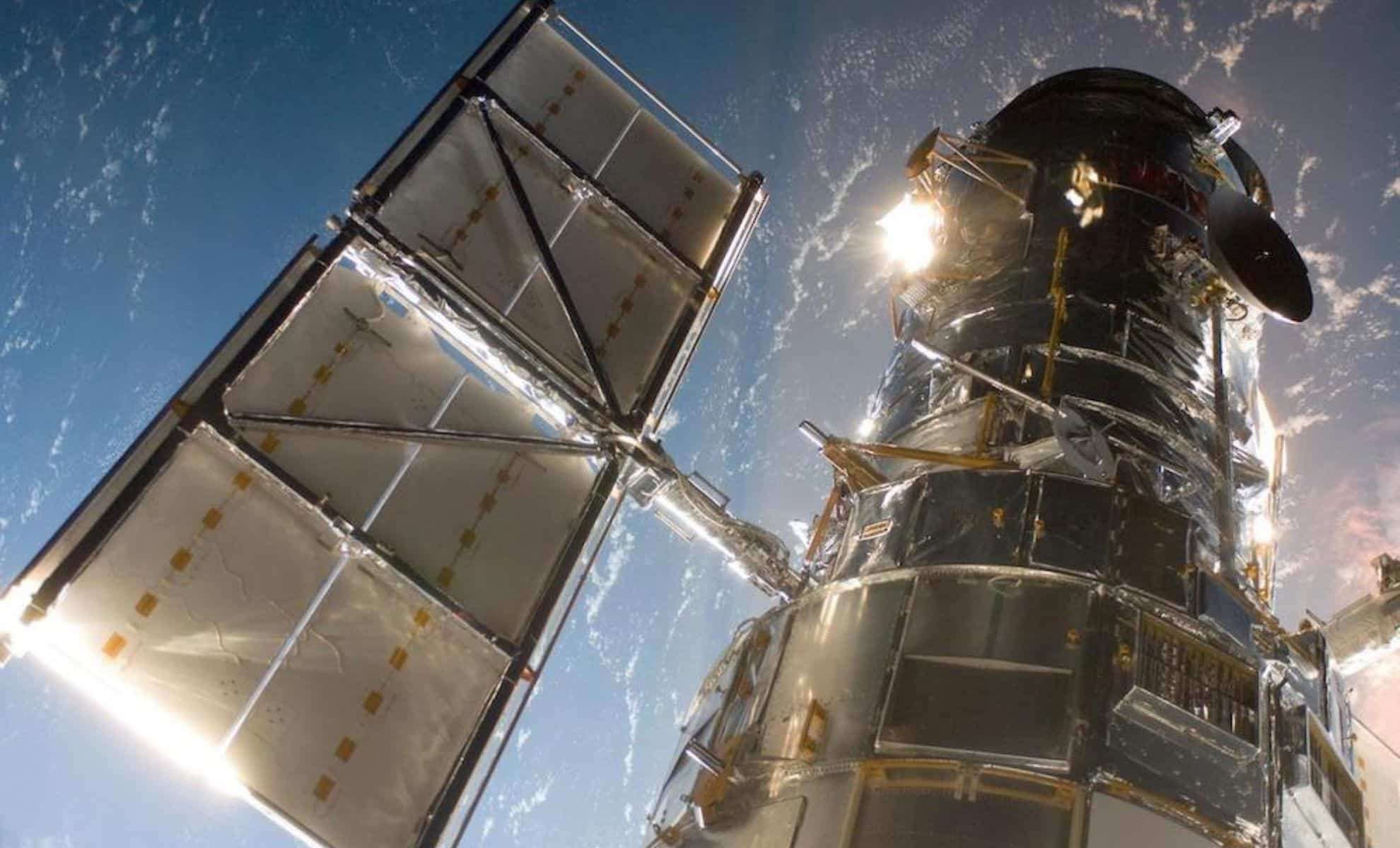
Gyroscopes play a crucial role in controlling Hubble’s precise aim. Initially equipped with six, only three remain from the last service update. With the recent failure of gyro number 3, NASA has shifted to a single-gyro operational mode to maximize longevity. Crouse noted, “This mode imposes some constraints. Transitioning between targets and locking onto an object will take longer, reducing scheduling efficiency by roughly 12 percent.”
Evaluating a Potential Reboost Maneuver
In light of the gyro failure, NASA decided not to proceed immediately with a proposed commercial initiative to raise Hubble’s orbit. This plan involved a SpaceX Crew Dragon spacecraft to lift the telescope to a higher altitude, aiming to decrease atmospheric drag and prolong its mission.
NASA’s current review identified various risks and engineering challenges that diminish its appeal. Mark Clampin, director of astrophysics at NASA Headquarters, stated, “While we highly value the detailed examination by NASA and partners, further analysis is needed to balance long-term scientific gains against potential short-term risks.”
Hubble’s Ongoing Scientific Legacy
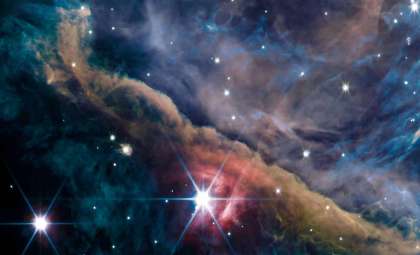
Hubble’s visible-light capabilities complement the James Webb Space Telescope (JWST), which specializes in infrared observations. Together, these observatories deliver a broad spectrum view of the universe, enhancing scientific discovery potential. The combined efforts of Hubble and JWST promise to deepen humanity’s understanding of cosmic phenomena.
NASA projects Hubble will remain operational until at least 2035, providing ample opportunity to explore maintenance or upgrade options. The telescope continues to yield vital data on the universe’s formation, evolution, and complex events. Its ongoing synergy with JWST ensures astronomers worldwide benefit from complementary datasets.
“Hubble is far from the end of its service,” Clampin affirmed, reinforcing NASA’s faith in the telescope’s continuing contributions. The decision against an immediate orbit-boosting mission highlights NASA’s dedication to optimizing science output while prudently managing operational risks.
Although Hubble grapples with aging gyroscopes, NASA’s proactive strategies and technological innovations secure its role as a premier scientific instrument. Approaching its 35th year, Hubble’s enduring tradition of discovery and exploration remains vibrant and impactful.







0 comments
Sign in to Comment