
A newly patented mechanical innovation might provide a straightforward solution to lessen earthquake vibrations in buildings. Created by civil engineering expert Moussa Leblouba at the University of Sharjah, this system is based on a simple yet effective mechanical approach that dissipates vibrational energy.
Seismic events impose significant strain on structures like buildings and bridges. Even minor tremors can trigger vibrations powerful enough to harm structural elements or delicate equipment. To counteract this, engineers utilize damping technologies designed to curb these oscillations before they impact the whole structure.
However, many existing damping methods are expensive, complicated, or prone to failure during severe conditions. Consequently, there is ongoing research to develop solutions that are both dependable and easier to implement.

Simple Friction-Based Engineering
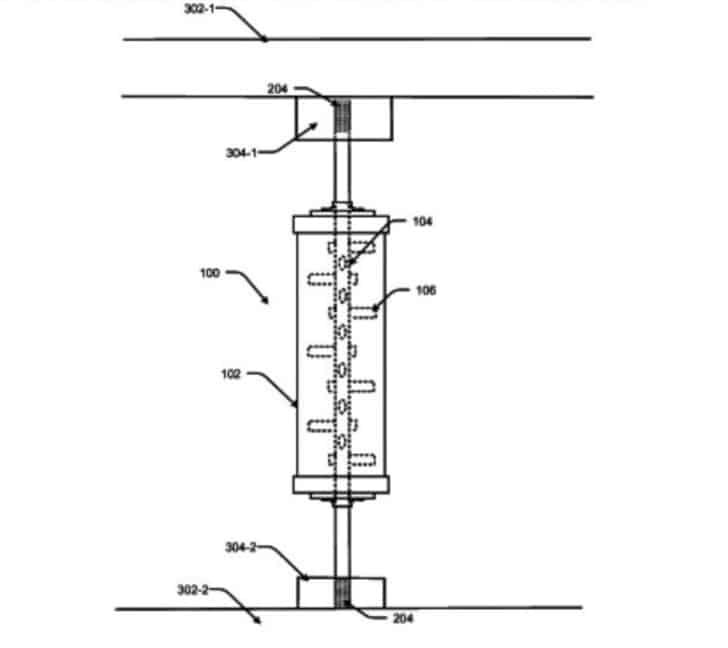
The system introduced employs a straightforward mechanism. As outlined in a EurekAlert! press release, it features a hollow cylinder filled with solid steel spheres and a central shaft that has radial rods resembling small branches.
During an earthquake or vigorous shaking, the structure's motion causes the rods to move through the dense steel ball cluster inside. This movement generates friction, which dissipates some of the vibrational energy, thereby reducing the force transmitted to the building.
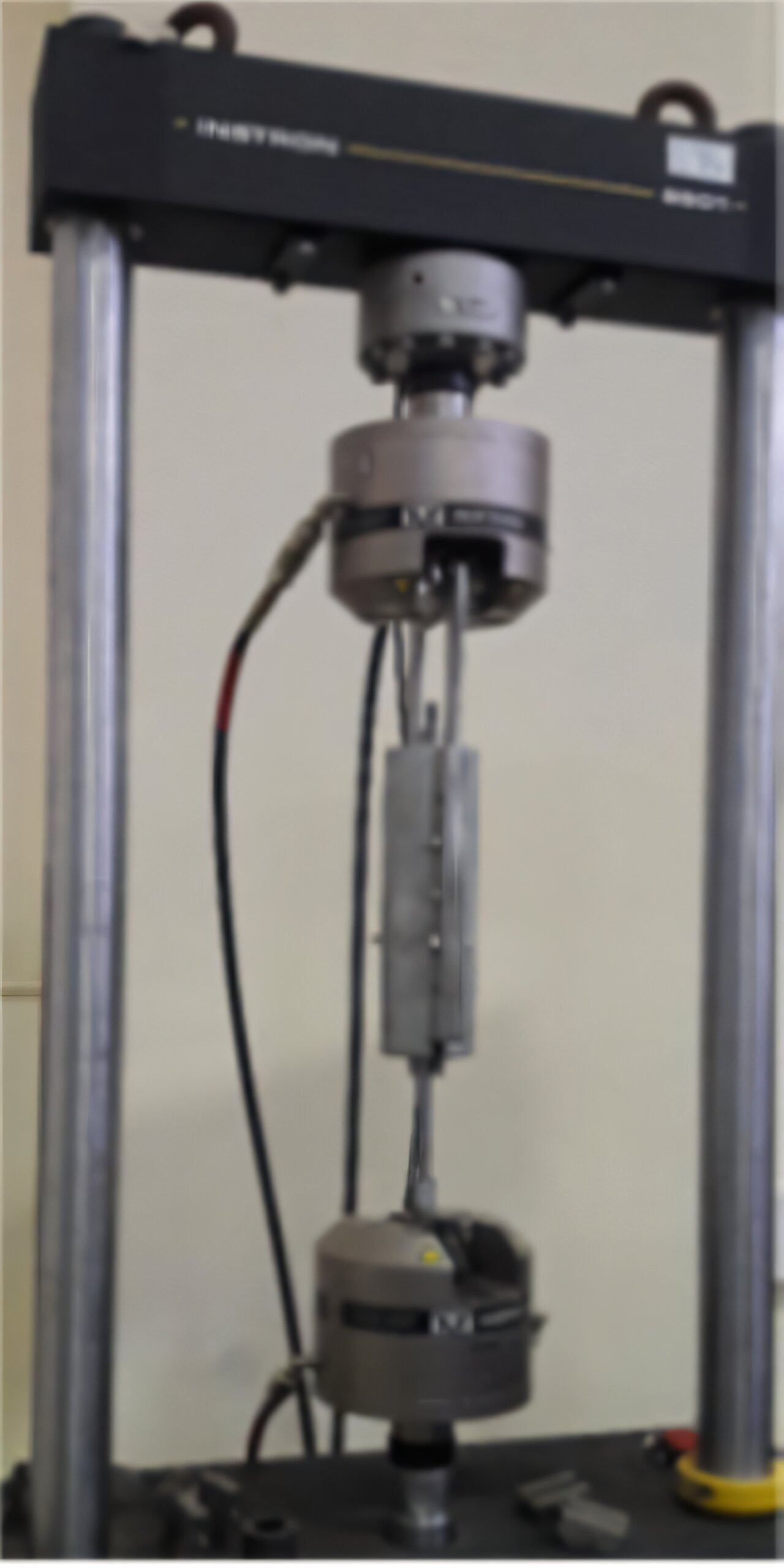
Laboratory experiments conducted during its development revealed that the device could absorb approximately 14 percent of vibration energy, noticeably diminishing structural oscillations.
A Passive Design Independent of Power Supply
A key aspect of this technology is that it functions entirely passively, without requiring electrical energy or electronic controls.
This characteristic is particularly valuable during earthquakes, which frequently cause power outages. According to Prof. Moussa Leblouba, the device continues functioning even when power grids go down.
“Because it requires zero electrical power, it cannot be rendered inoperative by a power outage during the very disaster it’s designed to withstand. Every component is individually removable and replaceable, so if one part is damaged, you don’t need to discard the whole device,” he explained.
The components inside are also modular. Every element can be removed and replaced independently, eliminating the need to replace the entire assembly if one part is damaged during a major seismic event.
An Affordable Upgrade for Structures
Cost-effectiveness and ease of use were major priorities in the device’s design. It consists of relatively basic parts that can be assembled on location without requiring specialized skills.
This approach may help expand seismic protection availability, especially in areas where comprehensive structural retrofitting is too costly or technically difficult. The technology can also be applied to existing buildings. Although initially targeted at earthquake-resistant architecture, it holds promise for broader applications.
“The next phase of research will focus on scaling the device for larger structural applications and testing it under realistic seismic loading conditions, including shake-table tests with small-scale structural models,” Prof. Leblouba said.
- Categories:
- News










0 comments
Sign in to Comment