
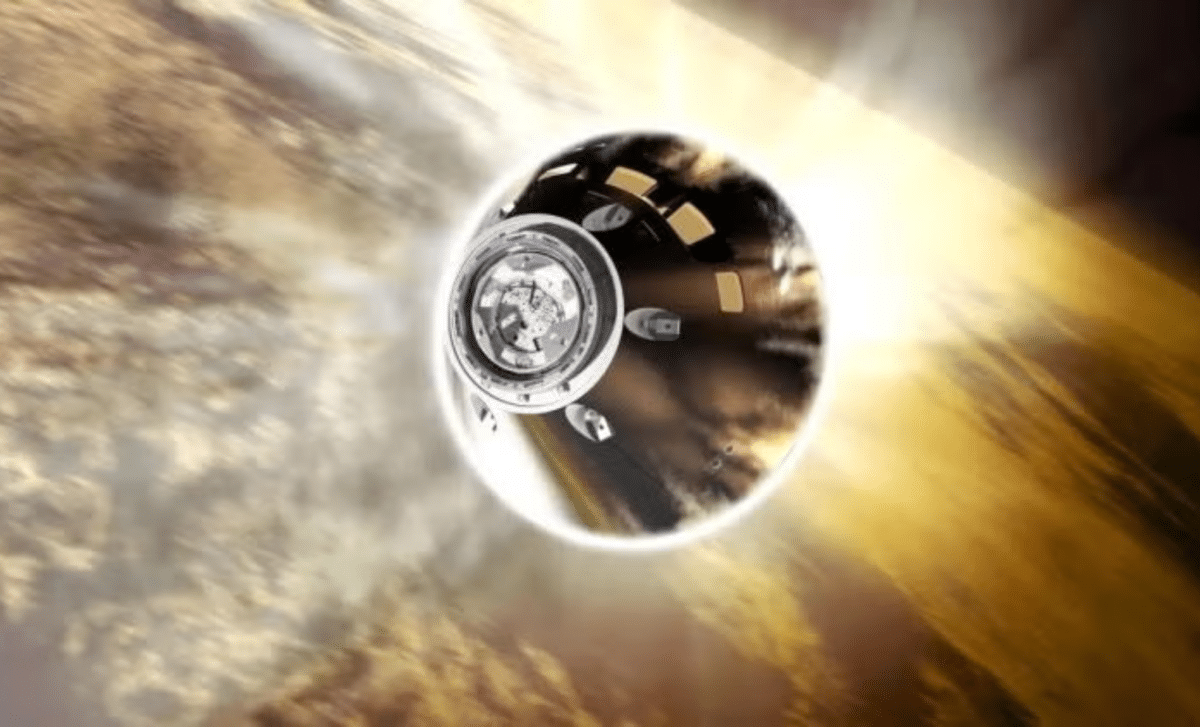
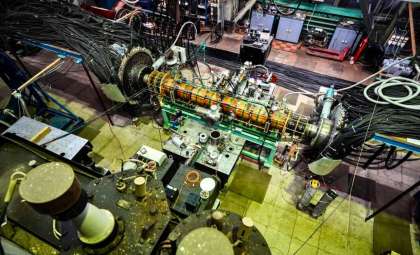
Scientists at the University of Colorado Boulder have unveiled a state-of-the-art plasma tunnel designed to replicate the extreme environments spacecraft endure during atmospheric reentry. This advanced setup produces plasma streams that simulate the fierce heat and pressure encountered at hypersonic speeds, granting researchers crucial data on how materials and spacecraft withstand these harsh conditions. With the burgeoning growth of space travel and space tourism, ensuring the integrity of vehicles during reentry has become increasingly important for astronaut safety.
Understanding the Plasma Tunnel Technology
Engineered by Hisham Ali and his research team, this plasma tunnel stands as one of the first facilities worldwide capable of mimicking the severe thermal and pressure stresses faced by returning spacecraft. It enables rigorous testing of protective heat shields, sensors, and other components in an environment that accurately reflects real mission conditions.
“One of the most critical and dangerous phases of any space mission is when spacecraft reenter Earth’s atmosphere,” said Hisham Ali. “If we’re taking more humans to orbit through space tourism, we need to do that safely and effectively, and that’s a challenging problem.”
Add Cosmo Herald as a Preferred Source

The tunnel generates temperatures soaring up to 9,000 degrees Fahrenheit, surpassing even the sun’s surface temperature. It effectively reproduces the intense shockwaves created by hypersonic reentry, providing a crucial testing ground for spacecraft technologies. By simulating these punishing conditions, scientists can observe how different aerospace materials react under extreme heat and pressure.
A One-of-a-Kind Facility for Hypersonic Studies
Ali highlights that the CU Boulder plasma tunnel is unmatched globally, offering a unique environment for investigating hypersonic flight phenomena. The system functions by using a high-powered vacuum to introduce gases such as argon, which are then energized through radio frequency waves to form plasma. This technique is key to replicating the shockwave effects spacecraft face during high-speed atmospheric entry.
Beyond Earth's atmosphere, the facility can also simulate conditions on planets like Mars. The plasma tunnel can inject carbon dioxide into its chamber to produce plasma that resembles the thin, CO2-dominated atmosphere spacecraft would encounter when returning to Mars. “Once the plasma ignites, we introduce carbon dioxide to create a flowing plasma environment similar to Mars’ atmospheric reentry conditions,” Ali explained.
The Spark Behind the Innovation
Ali’s fascination with spaceflight and thermal protection technology was sparked by a childhood visit to Space Camp in Alabama. There, he experienced firsthand the heat resistance of a NASA heat shield tile. “They applied a blowtorch on one side while we placed our hands on the opposite side and could still feel the tile was cool,” Ali recounted. This intriguing encounter drove his lifelong dedication to material science and space safety, culminating in the development of the plasma tunnel.
This formative experience guides the efforts of Ali and his students at CU Boulder. “We put in countless late nights to make this facility a reality,” Ali said, reflecting on the team’s commitment.
Advancing Materials Testing and Future Missions
The plasma tunnel is an essential platform for evaluating new heat-resistant materials and emerging aerospace technologies. Simulating the harsh conditions of hypersonic flight allows researchers to analyze how materials and instrumentation behave within high-velocity plasma streams. This work is vital for enhancing spacecraft design and safeguarding astronauts during reentry.
As commercial space travel escalates, these findings will be instrumental in developing safer vehicles for people in space. The versatile plasma tunnel also supports research into planetary atmospheric entries, offering valuable data for missions targeting Mars and beyond.
Exploring Magnetic Control for Reentry Navigation
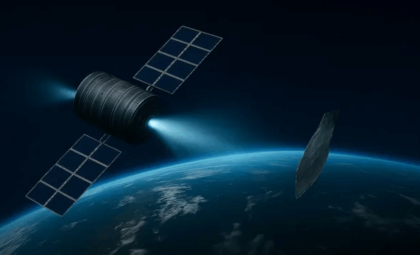
Looking forward, Ali’s team is investigating an innovative method to control spacecraft during reentry by using powerful magnetic fields. Conventional flight controls like wings or flaps are ineffective at hypersonic speeds due to extreme heat and pressure, hindering maneuverability. However, leveraging strong magnets to influence plasma shockwaves could enable spacecraft to alter their descent trajectories.
“Because plasma consists of charged particles, sufficiently strong magnets might change the flow of these particles,” Ali said. This cutting-edge concept has the potential to transform spacecraft navigation during reentry, boosting both safety and precision in challenging thermal environments.






0 comments
Sign in to Comment