
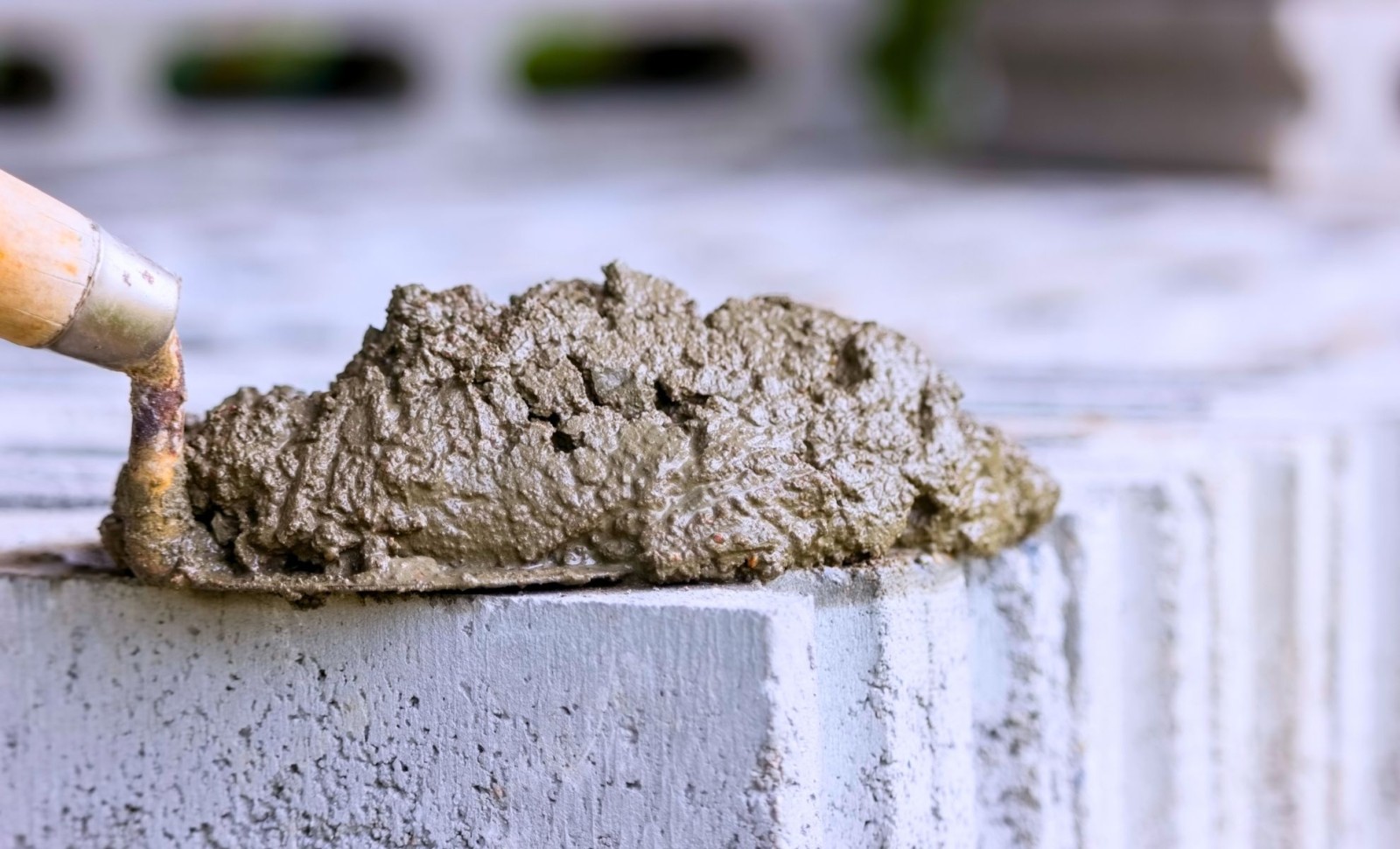
In Melbourne, a group of engineers is spearheading a transformative development in construction materials. Experts at RMIT University have engineered a novel building substance composed solely of soil, water, and reclaimed cardboard, completely removing cement from the equation. Intended for low-rise construction, this material provides solid structural integrity, broad accessibility, and a markedly lower environmental footprint compared to traditional concrete.
Cement, a crucial component binding concrete, contributes to almost 8% of the world’s annual CO2 emissions, as reported by the United States Environmental Protection Agency. Despite numerous attempts to find better alternatives, none have successfully combined cost-effectiveness, strength, and environmental benefits—until now.
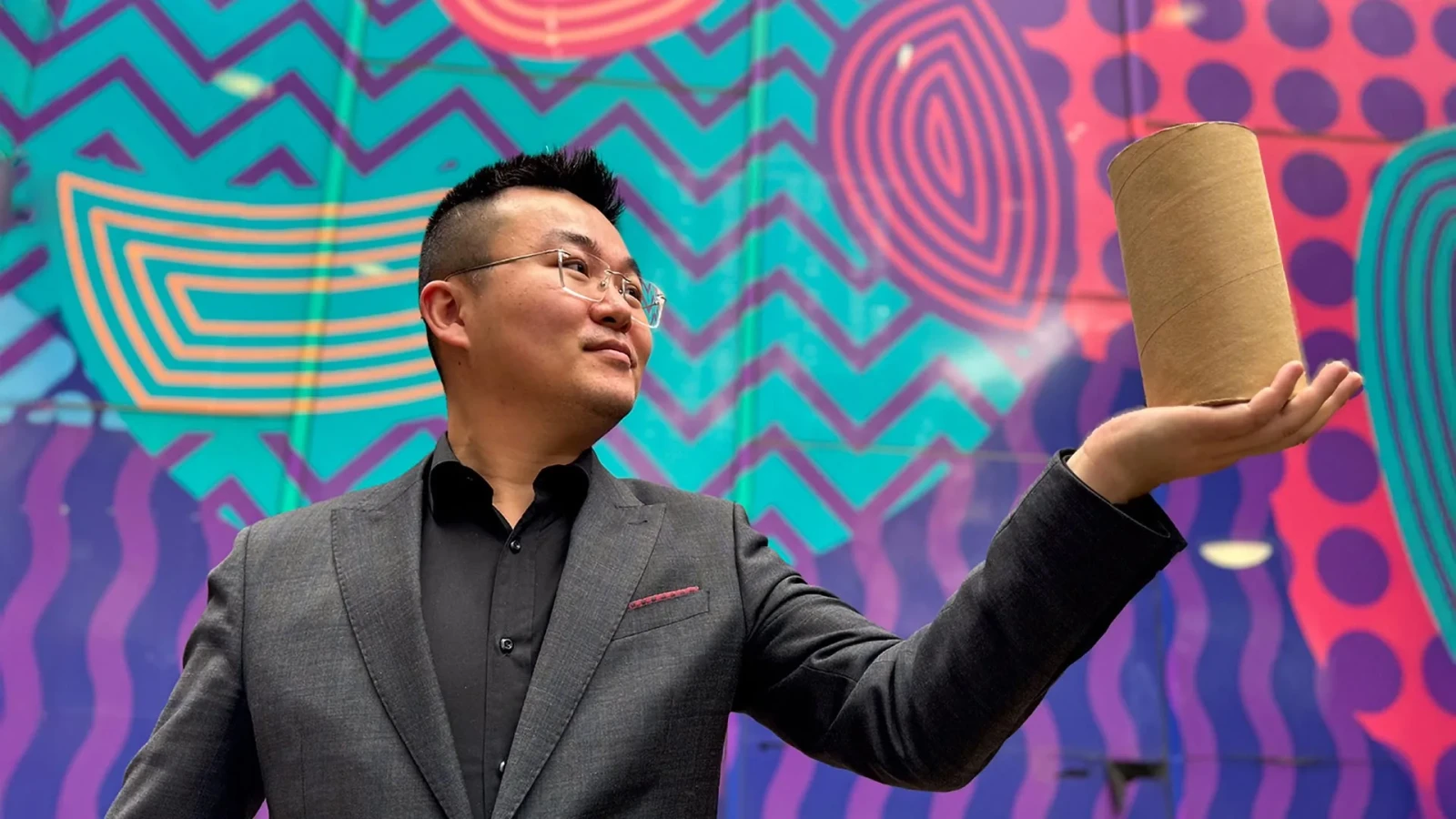
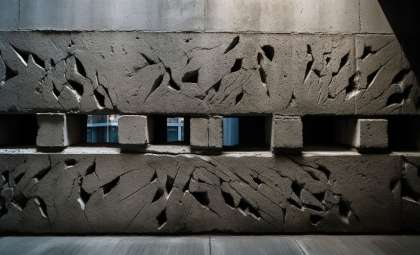
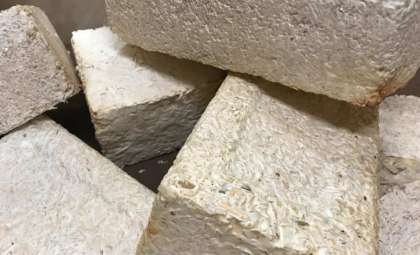
Known as cardboard-confined rammed earth (CCRE), this innovative product merges compressed soil with discarded cardboard tubes, resulting in a simple yet robust wall construction system. The research reveals that this method achieves only 25% of concrete’s carbon emissions and costs less than one-third of traditional concrete production.

Preliminary trials indicate this material thrives in hot climates and areas with limited resources, where energy-heavy building materials are less viable. Far beyond just regional benefits, CCRE could represent a fundamental change in how raw materials for construction are sourced and utilized.
Addressing Concrete’s Emission Burden with a Basic Alternative
Rammed earth construction, an ancient building technique, compresses moist soil into sturdy forms. However, in contemporary practices, cement is typically added to meet strength standards, compromising the environmental advantages.
“Current rammed earth constructions rely heavily on cement to enhance durability. Given the natural thickness of rammed earth walls, this reliance is excessive,” explained Dr. Jiaming Ma, lead author of the study, during an interview featured on ScienceDaily.
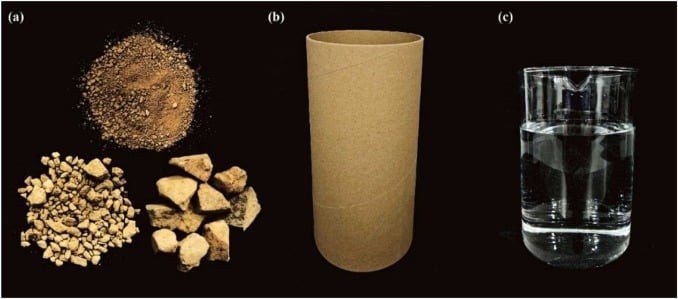
By enclosing compacted soil within cylindrical cardboard casings, Ma’s team achieved structural strength without cement. This design creates a pressure-resistant shell that eliminates cracks and supports vertical weight, while avoiding high emissions and complex manufacturing. Furthermore, the material is entirely recyclable and can be reused, greatly reducing construction waste.
Each year, Australia discards over 2.2 million tons of paper and cardboard in landfills. Repurposing a portion of this waste for CCRE production presents significant environmental and financial incentives. The full scientific details have been published in the peer-reviewed journal Case Studies in Construction Materials.
On-Site Fabrication, Lightweight Design, and Easy Implementation
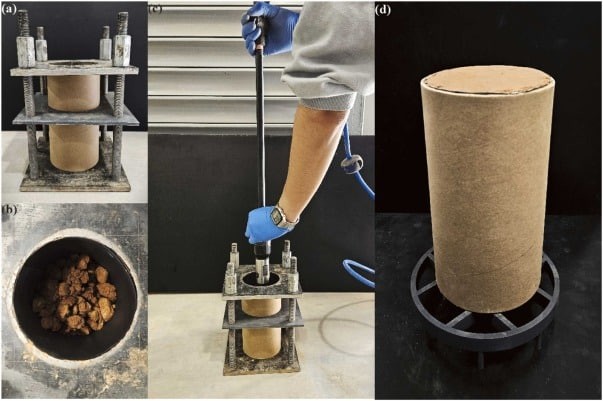
The team highlights that CCRE can be manufactured on-site by compressing a soil and water mixture inside recycled cardboard molds. This process can be done manually or with modest mechanical tools, removing the necessity for large factories and extensive transport.
“Rather than transporting tons of heavy bricks, steel, and concrete, construction crews would only need to supply lightweight cardboard, since nearly all other materials come from the site,” stated Emeritus Professor Yi Min ‘Mike’ Xie, corresponding author, as quoted by ScienceDaily.
This simplified logistics chain could prove invaluable for remote locations with challenging access or scarce building materials. It also dovetails with global trends favoring localized, environmentally friendly construction methods—critical in regions facing housing deficits amid climate challenges.
CCRE also benefits from excellent thermal mass properties, ideal for hot environments. Rammed earth’s capacity to stabilize indoor temperature and moisture reduces reliance on mechanical cooling, contributing to lower carbon emissions. Dr. Ma emphasized, “Rammed earth buildings excel in hot climates by naturally moderating temperature and humidity, which cuts down the need for energy-intensive cooling.”
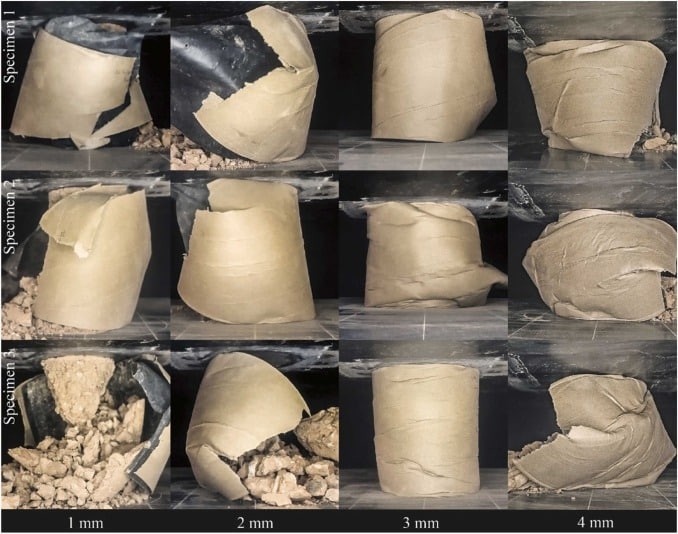
The material’s strength depends largely on the thickness of the cardboard tubes, a factor already modeled by the researchers. This adaptability enables tailoring the material for diverse building demands. For structures requiring enhanced performance, variants reinforced with carbon fiber have been tested, achieving strength on par with high-grade concrete.
A Potential Turning Point for Sustainable Construction
The impact of CCRE extends well beyond its basic ingredients. As detailed in the RMIT research repository, the team is pursuing partnerships to apply CCRE in real-world projects. With the construction sector’s environmental footprint increasingly scrutinized, there is growing pressure on policymakers and developers to adopt low-emission building materials.
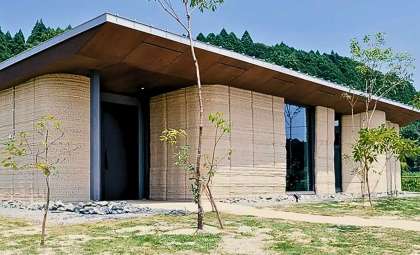
Unlike many green concepts still in experimental stages, CCRE is ready for immediate use. It avoids reliance on rare elements, costly equipment, or complex supply chains. The fundamental ingredients—earth, water, and recycled waste—are abundant worldwide. This simplicity could be its greatest asset.
This innovation fits into a broader shift toward eco-friendly construction materials, joining alternatives like hempcrete and mycelium composites, which have gained international attention for their sustainability. What sets CCRE apart is its straightforward production: it can be assembled on-site, shaped, and utilized immediately.
- Categories:
- News



0 comments
Sign in to Comment