
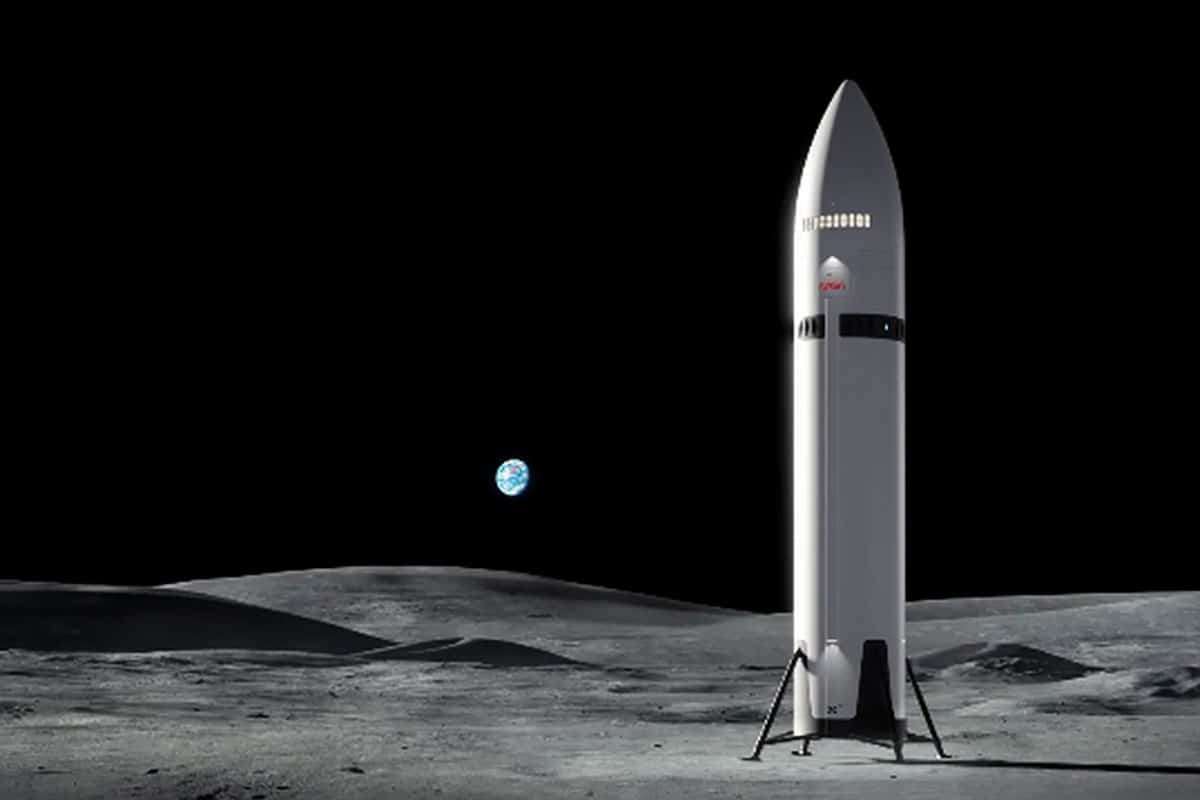
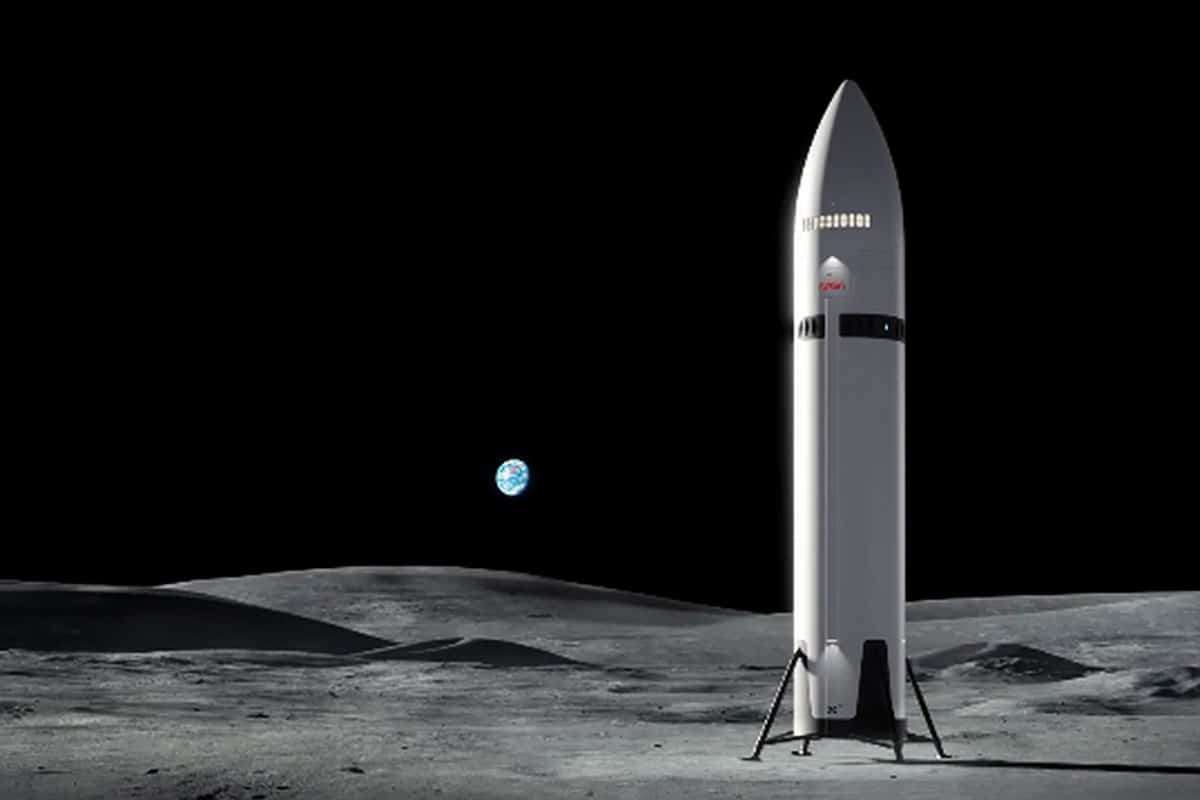
Central to the upcoming lunar expedition is the Starship Human Landing System (HLS), an advanced iteration of SpaceX’s spacecraft tailored for moon landings. Towering at 50 meters with a diameter of 9 meters, this vehicle is engineered specifically for lunar missions. It will be a key player in the Artemis III mission, expected to launch in late 2026.
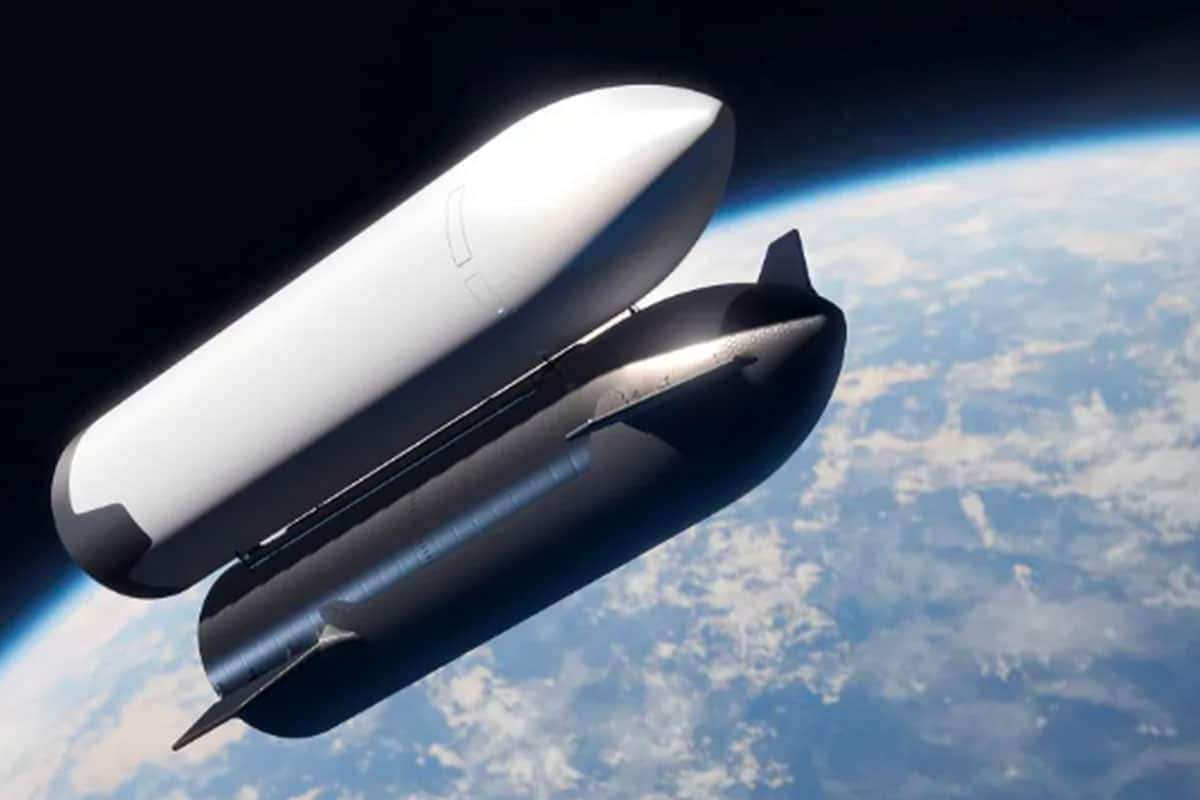
A standout feature of the Starship HLS is its ability to refuel in space. Prior to heading toward the Moon, the spacecraft will execute an unprecedented sequence:
- Lift off into low Earth orbit
- Connect with fuel depots already in orbit
- Take on fuel while in space
- Proceed on its trajectory to the lunar surface
This upcoming 2025 test of orbital refueling represents a major leap forward, enabling longer missions and deeper exploration by allowing spacecraft to top up fuel beyond Earth.

The Artemis astronauts’ voyage: Earth to Moon
The mission entails intricate coordination between vehicles and crew handovers. Once in orbit around the Moon, the Starship HLS will dock with the Orion spacecraft, which will have transported the Artemis III team from Earth. This critical rendezvous paves the way for the upcoming lunar landing phase.
For this historic journey, NASA plans the crew allocation as follows:
This setup guarantees a continuous presence in lunar orbit while enabling surface exploration. Moreover, NASA’s lunar navigation partnership with Intuitive Machines will be essential for accurate touchdown and safe activities on the Moon.
Groundbreaking designs for lunar living
The Starship HLS serves more than just as a transport vessel; it’s envisioned as a versatile habitat for astronauts on the Moon. SpaceX has dedicated efforts into refining the interior, with unofficial models revealing the future living space for lunar crews.
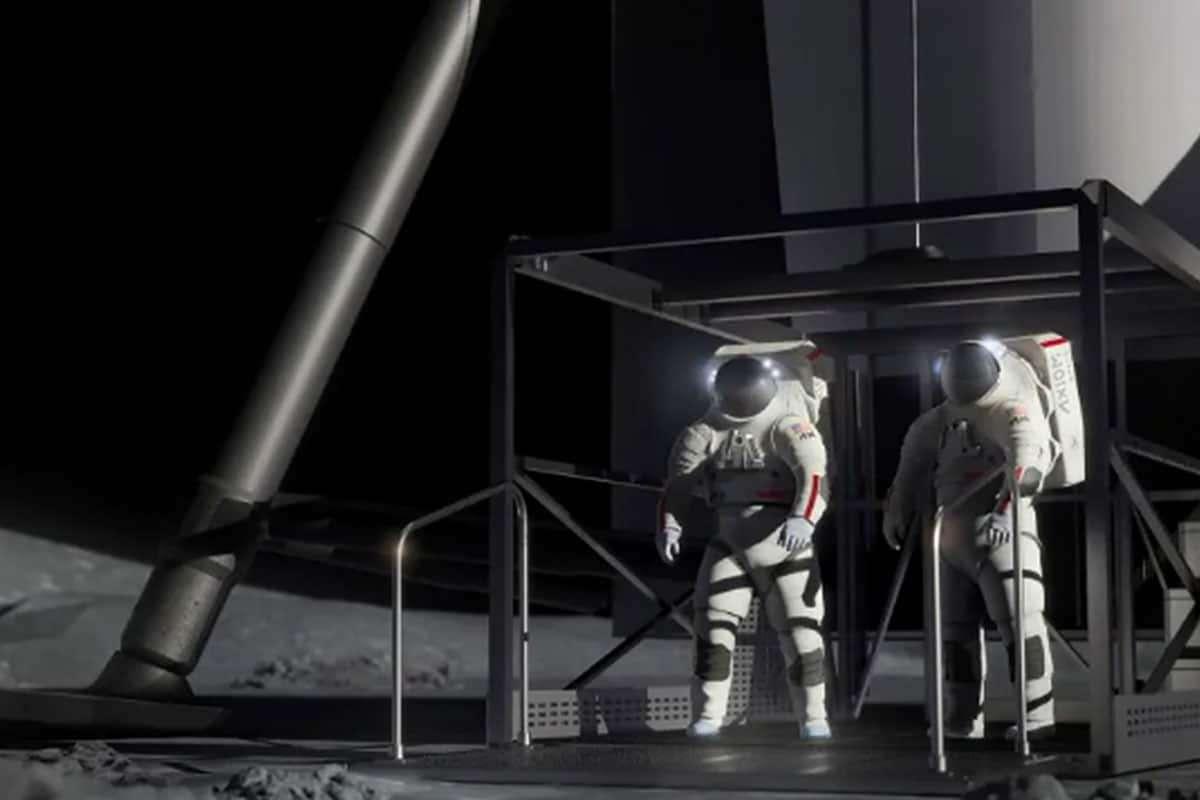
A prominent innovation is the elevator system integrated into the HLS, fulfilling two major roles:
- Providing safe descent and ascent of astronauts to and from the Moon’s surface
- Enabling efficient unloading of supplies and tools
NASA and SpaceX have been actively validating this elevator concept for nearly two years, ensuring its dependability. This advancement offers enhanced operational capability compared to Apollo-era landers.
Supporting these technological leaps, new spacesuit designs by Axiom Space, in collaboration with Prada, promise greater flexibility and protection, adapting astronauts to the Moon’s demanding conditions.
Expanding horizons: Gateway to broader space missions
Although Artemis III will mark humanity’s return to the Moon, it sets the stage for further exploration. From Artemis IV, scheduled for 2028, the Starship HLS will dock at the Gateway space station, a future lunar orbit platform serving as a hub for deep space endeavors.
This station will enable:
- Longer lunar expeditions
- Scientific experiments in cislunar space
- Development of technologies targeting Mars missions
The Gateway station symbolizes a new phase in space exploration, transitioning from brief visits to sustained human presence near other planets. When astronauts embark on Artemis IV, their arrival at Gateway will herald a new chapter, paving the way toward Mars and beyond.
A few specific shots pic.twitter.com/ZU2af3Nm24
— TheSpaceEngineer (@mcrs987) November 15, 2024
- Categories:
- Nasa










0 comments
Sign in to Comment