
Human spaceflight captivates the imagination worldwide, yet preparing astronauts for journeys to the Moon, Mars, or beyond takes intricate planning and extensive training. While NASA excels at launching missions into orbit, replicating space conditions for astronauts on Earth remains essential. An insightful study on space analog missions, featured in The Conversation, reveals how NASA recreates extraterrestrial environments here on our planet—using smart budgets without the need to leave Earth’s atmosphere. These simulations offer crucial knowledge to enhance the safety and success of upcoming space ventures.
Earth-Based Simulations: Harnessing the Potential of Analog Missions
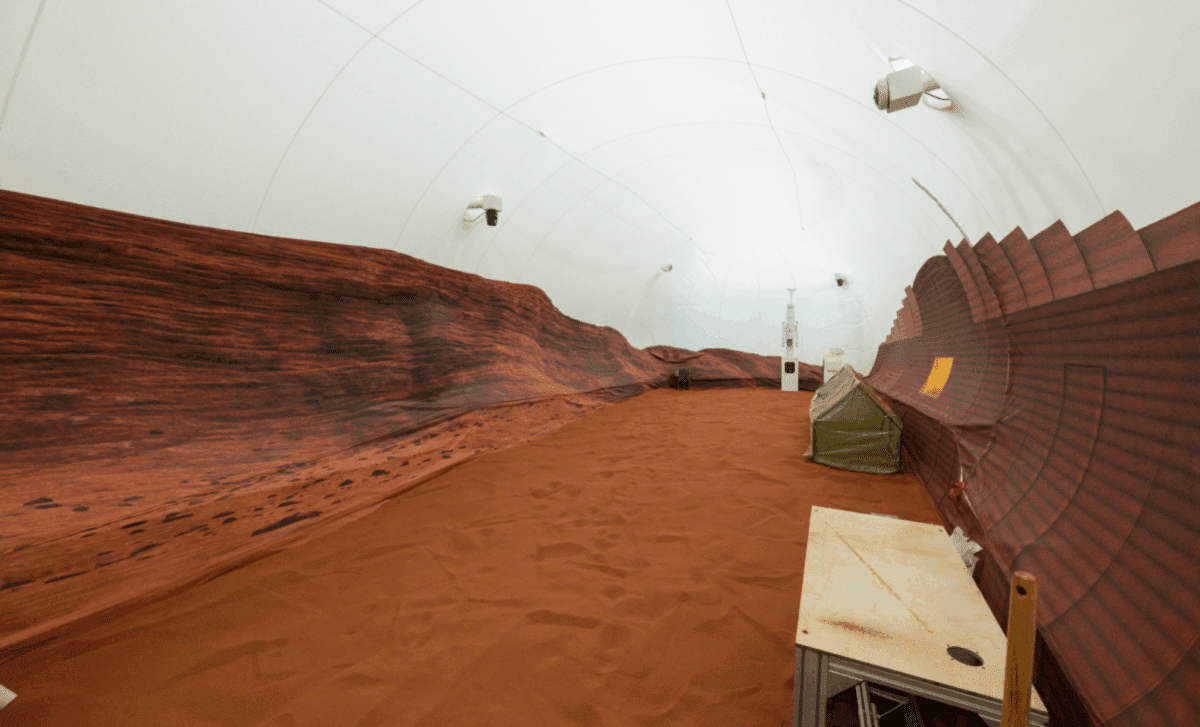
Preparing astronauts for the unpredictable and harsh nature of space demands more than just cutting-edge technology. Analog missions—simulated scenarios conducted on Earth—are designed to imitate the extremities of lunar and Martian environments. These operations often take place in rugged volcanic landscapes, underwater habitats, or remote outposts, mirroring the challenges of life on other worlds.
The core idea is simple yet powerful: by duplicating conditions such as resource scarcity, confinement, and isolation, scientists can closely observe crew dynamics and individual responses. A report in The Conversation explains how these analog efforts gather invaluable data—from teamwork under pressure to coping with solitude—offering lessons critical to the development of future space missions.

The Science Driving Analog Space Research
More than simple mock-ups, analog missions serve as experimental platforms to study human psychology, endurance, and operational skills under extreme conditions. Hosted in terrestrial environments analogous to lunar or Martian terrain—like Hawaii’s volcanic fields or Antarctic research bases—these exercises aim to replicate the many challenges astronauts will endure such as maneuvering bulky suits and living in confined, remote habitats.
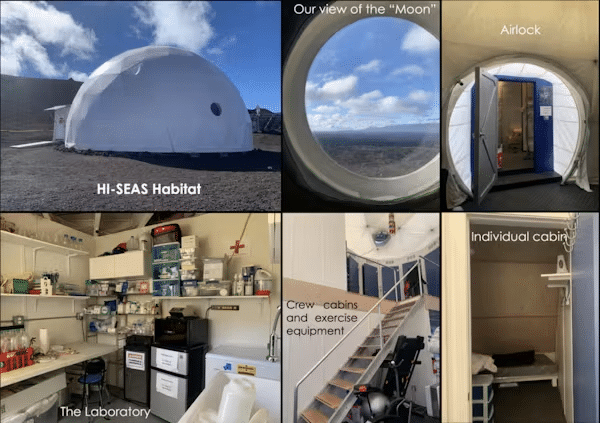
A notable example is a 28-day simulated lunar expedition conducted at NASA’s Hi-SEAS habitat in Hawaii. Crew members conducted geological surveys on a fake lunar surface, handled daily chores like meal preparation and cleaning, and engaged in scientific investigations—all within a setting that limited their resources. This habitat simulated the profound isolation astronauts face on the Moon or Mars, where routine tasks such as life-support maintenance and ration management become critical challenges. The study tested both technical capabilities and the psychological effects of stress in controlled but demanding environments.
Life as an Analog Astronaut: What to Expect
Participating as an analog astronaut involves adjusting to a highly managed, self-reliant lifestyle where every motion is observed and supplies are limited. Routines are meticulously planned, starting early at 6:30 AM and ending lights out by 10 PM. Mission members must adhere to rigorous schedules, complete both solo and team assignments, and partake in extra-vehicular activities (EVAs), simulating the tasks of astronauts on real space voyages.
Isolation is one of the toughest hurdles. Analog astronauts often disconnect from most external communications. During the 28-day Hi-SEAS mission, for instance, phones were surrendered, and internet use was restricted solely to necessary emails—excluding social media and news. This limited contact fosters an intense camaraderie as crew depend on each other for emotional support and operational success.
Advancing Space Technology Through Earth-Based Trials
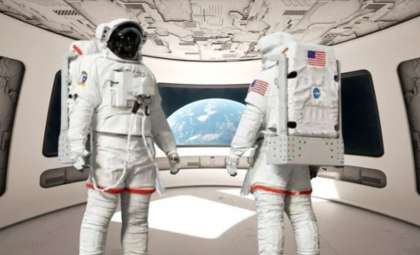
Analog missions are pivotal for testing innovations in astronaut gear and mission protocols. During these trials, participants don spacesuits to rehearse emergency procedures and operate specialized gear like drills and wrenches while wearing protective gloves—replicating the challenges of performing tasks in low-gravity environments similar to the Moon or Mars.
These simulations allow engineers and scientists to troubleshoot and optimize tools and systems before they are sent into orbit or onto other planets. Feedback gathered drives refinements in spacecraft design and astronaut procedures, ensuring readiness and safety in the extreme conditions of space.
The Mental and Social Toll of Prolonged Isolation
Exploring the psychological impacts on astronauts is a key benefit of analog missions. Extended confinement and stress create significant mental pressures, and researchers carefully observe crew interactions to understand social dynamics amid these challenges.
Participants are evaluated on maintaining teamwork in stressful circumstances. Tasks like cooking, hygiene, and group morale maintenance become increasingly complex with resource limits and close quarters. Despite the mental strain, these missions provide crucial insights into how astronauts can be supported emotionally and socially during long-duration space exploration.
- Categories:
- News








0 comments
Sign in to Comment