
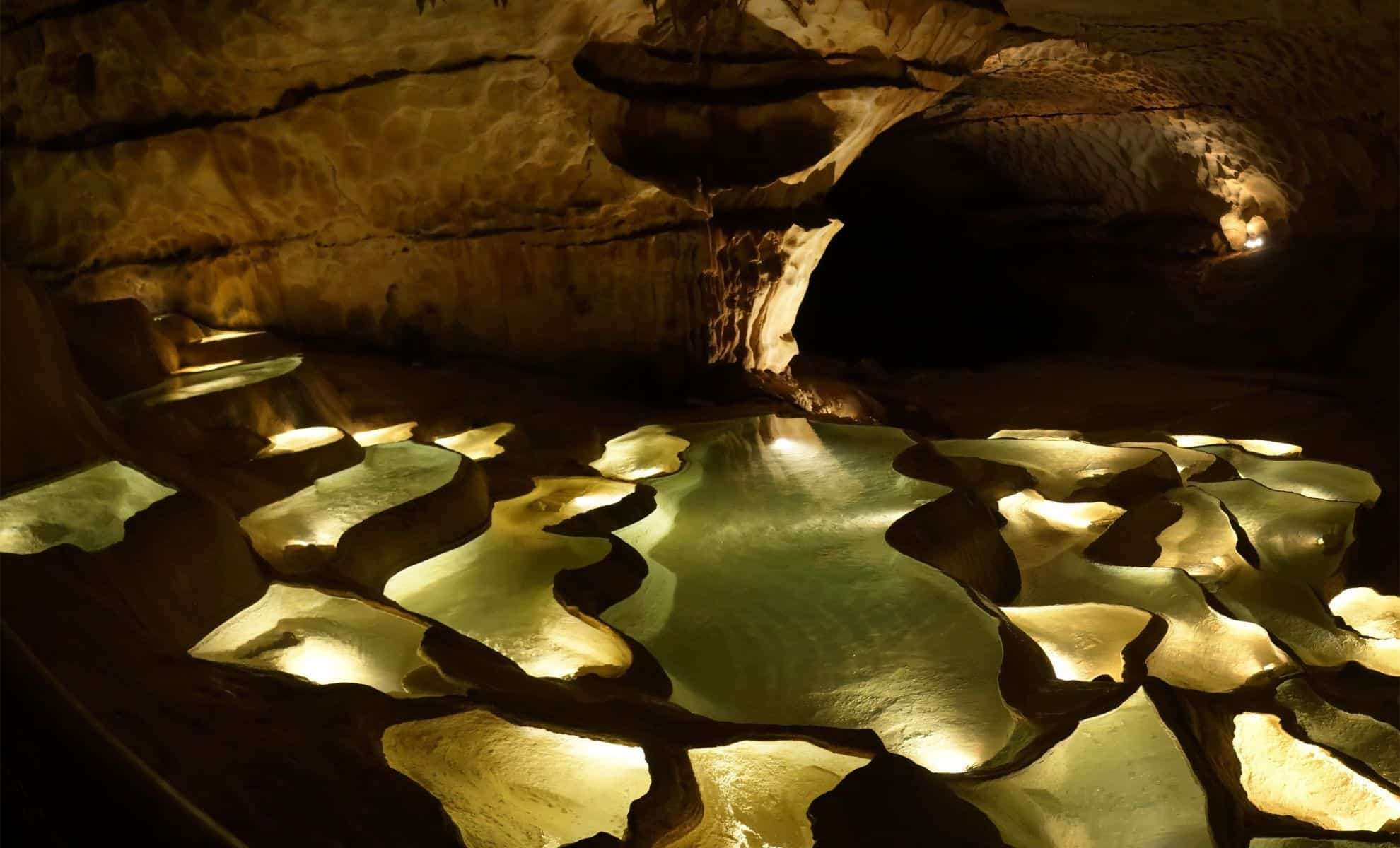
Deep beneath the limestone hills near Avignon in southern France lies the extensive Saint-Marcel cave system, stretching over 40 miles. Recent discoveries are rewriting our understanding of prehistoric human activity, revealing signs that our ancestors explored these complex underground passages as far back as 10,000 years ago. This raises intriguing questions about how early humans managed to access such dangerous depths without modern tools.
Exploration Into the Darkness Millennia Ago
A team led by geomorphologist Jean-Jacques Delannoy has unveiled new evidence reported in the Journal of Archaeological Method And Theory concerning the Saint-Marcel caves in the Ardèche region. While this vast network has been known to contemporary explorers, their research indicates human visitation dating far deeper into prehistory than previously imagined.
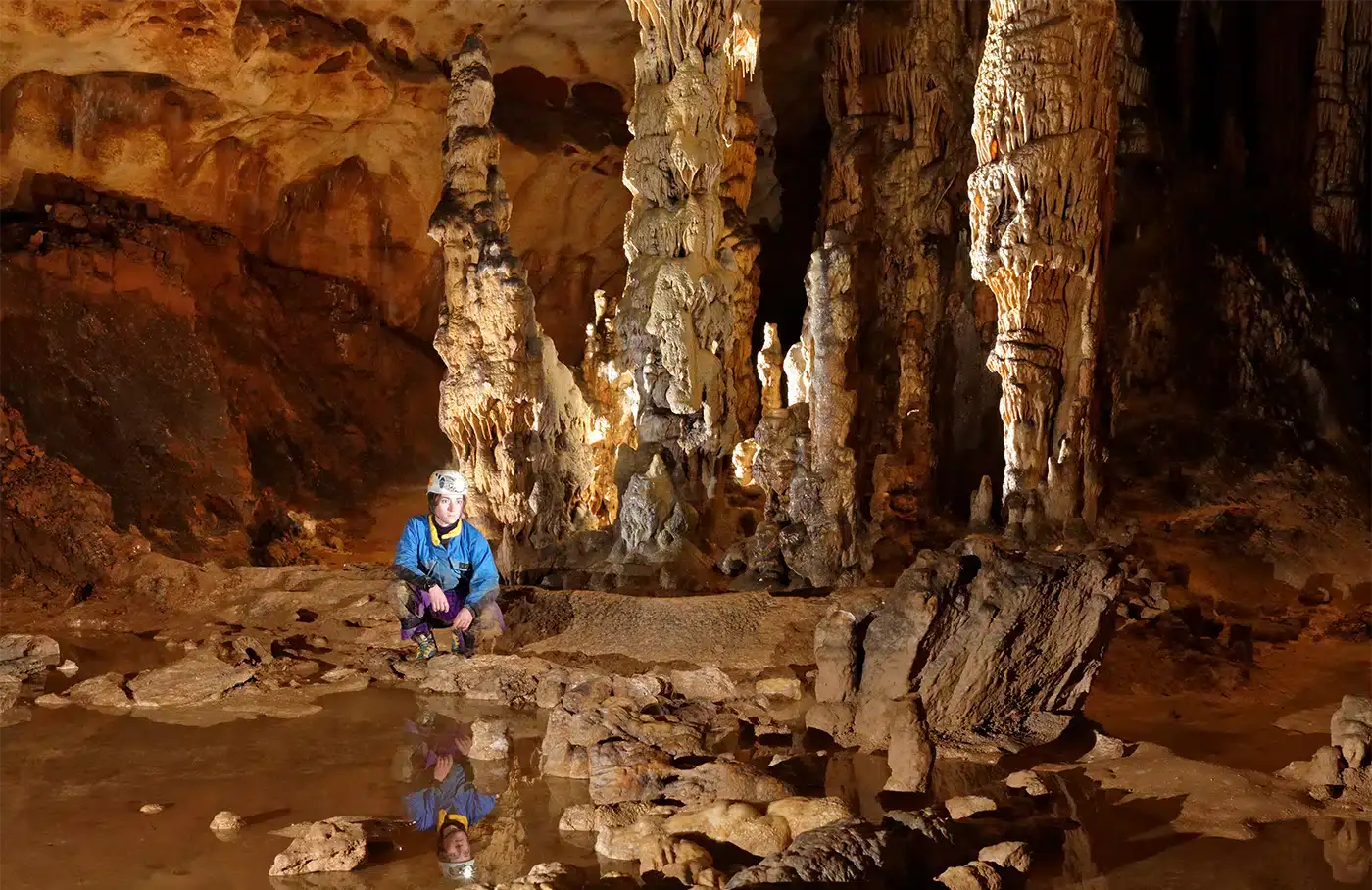
Around a mile inside the cave, they found fractured stalagmites—mineral structures that typically take ages to form. These pieces were not naturally broken but seemed deliberately snapped and even arranged in patterns, pointing to purposeful human interaction. Uranium-thorium dating confirmed the oldest broken fragments are approximately 10,000 years old, and the organized arrangements likely formed around 8,000 years ago.

This discovery suggests that humans of that era were capable of venturing and working within the cave’s challenging environment, compelling experts to reconsider the technological and cultural sophistication of early populations.
Perilous Terrain Still a Test for Modern Cavers
Inside Saint-Marcel, conditions remain unforgiving. Vertical drops, slippery surfaces, and complete darkness make the cave hazardous even for today’s explorers equipped with advanced lighting, climbing gear, and safety equipment. Yet, ancient humans apparently negotiated this terrain unaided by modern safety measures like ropes or lamps.
Delannoy noted in an interview with PNAS, “This raises questions about their navigational skills, climbing abilities, and knowledge of lighting technologies.” Their ability to explore such a perilous environment stands as a remarkable testament to early human ingenuity.
Reevaluating Prehistoric Use of Caves
For decades, these broken stalagmites were dismissed as damage from 19th-century visitors. The new research refutes those claims, conclusively demonstrating prehistoric human presence deep inside the Saint-Marcel network. This finding challenges the longstanding belief that early humans mostly stayed near cave entrances where natural light was accessible.
The study encourages archaeologists to view deep cave environments not just as shelters but possibly as sites of ritualistic or symbolic meaning for ancient cultures.
Unsolved Questions Linger
What purpose did these broken stalagmites serve? Why were they positioned deliberately? More fundamentally, what drove early humans to venture into such inhospitable subterranean realms?
Jean-Jacques Delannoy reflected, “These questions may forever defy answers. Similar to why ancient people chose deep cave walls for their paintings, their thoughts remain beyond our reach.” Although many secrets remain hidden within Saint-Marcel’s depths, these revelations are shedding light on a remarkable episode of ancient human creativity and courage.
- Categories:
- News










0 comments
Sign in to Comment