
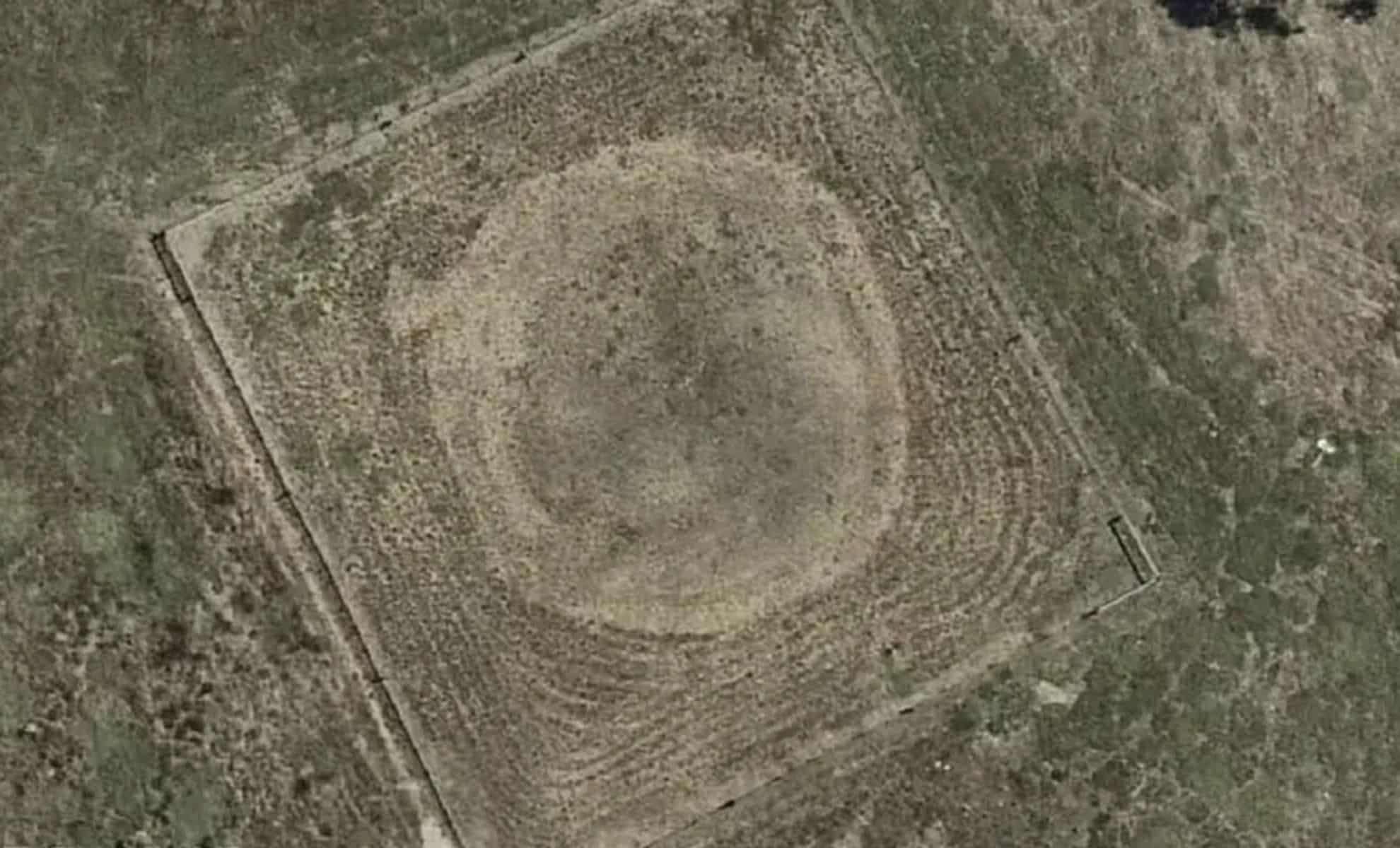
For generations, the expansive earth rings rising from the hills of Wurundjeri Woi-wurrung Country near Sunbury, just outside Melbourne, have intrigued both historians and archaeologists.
A recent pioneering investigation has now revealed the origins and meaning behind these enigmatic formations, illuminating a profound cultural heritage that had remained obscured until today.
Tracing the Roots of the Sunbury Earth Rings
These impressive earthworks, which have drawn interest from experts worldwide, have existed in the local terrain for over a thousand years.
The latest research, featured in Australian Archaeology, dates their creation to a period spanning 590 to 1,400 years ago, marking them as a significant artifact of Aboriginal culture in southeastern Australia.
Compared to other ancient sites that are faintly preserved, the Sunbury Rings stand out as a lasting demonstration of the Wurundjeri Woi-wurrung people’s sophisticated environmental insight.
Experts discovered the rings were formed through deliberate clearing of vegetation and the careful removal of soil and rock.
This was followed by the strategic placement of stones into distinctive configurations. The remarkable scale and detail of this time-intensive effort indicate these rings carried deep cultural and spiritual importance.

Deep Ties to the Environment
New archaeological evidence provides the clearest understanding yet of the site. The Wurundjeri Woi-wurrung community, whose forebears created the rings, viewed the land as an entity more profound than mere geography.
For them, their country comprised land, water, sky, flora, fauna, as well as ancestral narratives connected to certain places.
Additionally, the study highlights that the Wurundjeri Woi-wurrung idea of “country” includes intangible elements such as customs, travel pathways, and sacred rites preserved through generations.
Many archaeologists have grappled with fully grasping the significance of these earth rings without factoring in the cultural reverence and profound land knowledge held by Aboriginal peoples.
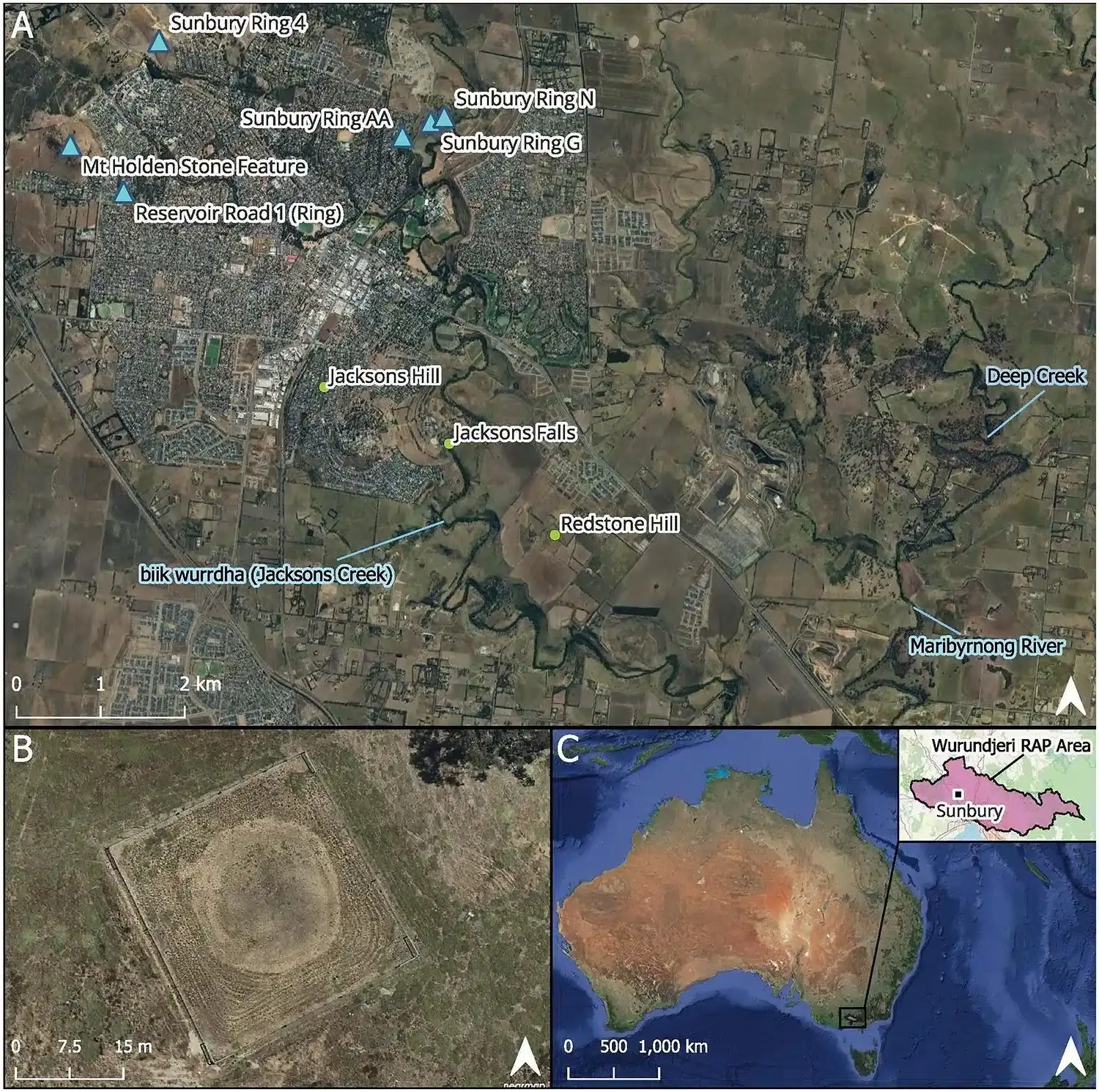
Fire, Tools, and Ritual Practices
The research also uncovers how the site was utilized by Aboriginal communities. Archaeologists identified remnants of campfires and a variety of stone tools scattered throughout the area.
These artifacts were likely used not only for practical activities such as clearing soil or shaping stones but also in ceremonial contexts. Stone tools played a crucial role in animal processing, crafting ornamental feathers, and even in cultural rituals involving intentional skin scarring.
The mastery of fire management alongside advanced flint-knapping techniques showcases the sophisticated cultural expressions of the Wurundjeri Woi-wurrung ancestors.
These discoveries underscore the integral place the earth rings occupied within the social and spiritual lives of the community.
The Rings' Lasting Legacy
While the original meanings tied to the Sunbury Rings have receded over time, their cultural importance endures.
Despite the disruptions caused by colonization and the loss of many similar sites, the legacy embedded in these earthworks persists.
The continuing relationship of the Wurundjeri Woi-wurrung people with their environment ensures that the rings embody resilience and cultural pride.
The wisdom handed down from their ancestors preserves a vital connection to history and sustains Indigenous identity.
These earth formations are far more than historical relics; they represent a living cultural tradition honoring the deep bond between the Aboriginal peoples and their land.
- Categories:
- News











0 comments
Sign in to Comment