
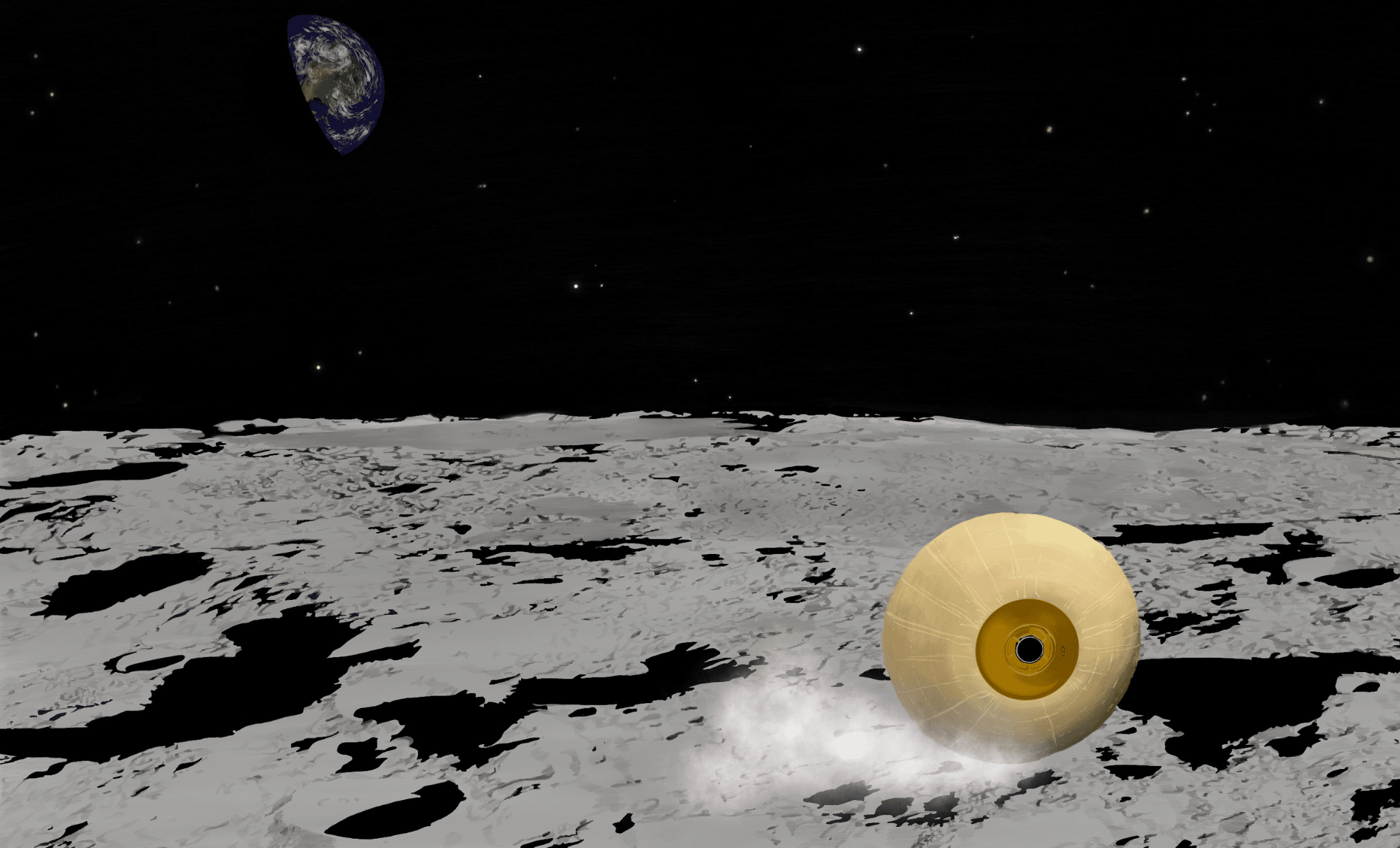
The innovative RoboBall, conceived by engineers at Texas A&M University, promises to revolutionize exploration on both our planet and beyond. This spherical robot is engineered to roll seamlessly over difficult terrain, offering a novel alternative to conventional rovers that often struggle in challenging environments.
Origins of RoboBall: From NASA Roots to Texas A&M Development
The origins of RoboBall trace back to 2003 when NASA initiated its development as part of a broader exploration program. The project gained new momentum when Robert Ambrose, a faculty member at Texas A&M University, revived it. Together with graduate researchers Rishi Jangale and Derek Pravecek, Ambrose shifted away from traditional rover designs, pioneering a spherical shape that enables rolling motion instead of reliance on wheels or legs. Their efforts resulted in two main prototypes: RoboBall II and RoboBall III.
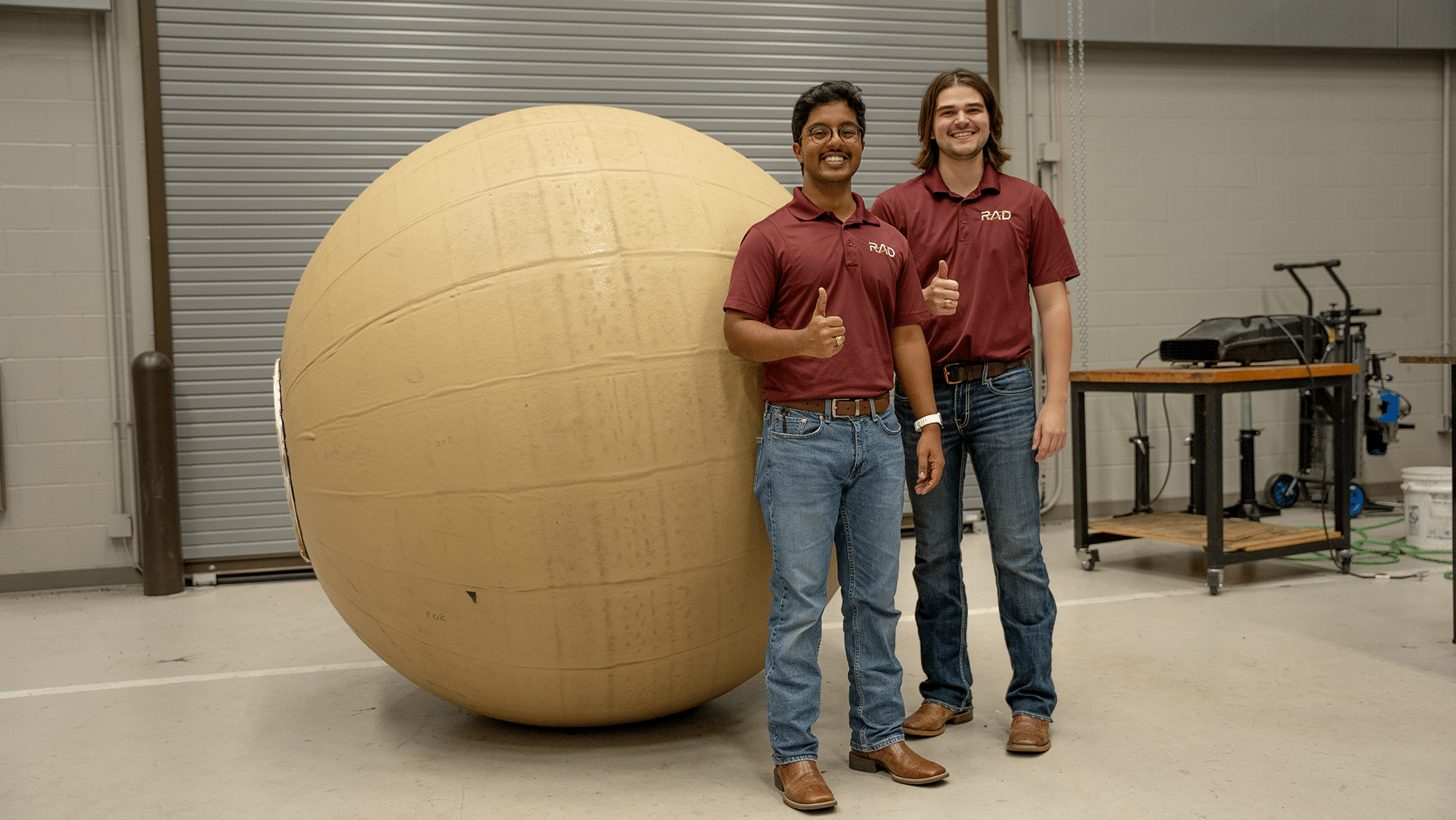
The initial prototype, RoboBall II, measures two feet in diameter and serves as a laboratory-scale model. It features a flexible outer shell and uses a pendulum-driven propulsion system linked to an axle. Momentum generated by the pendulum swing propels the sphere, enabling it to roll efficiently over various surfaces such as grass, gravel, and even water, reaching speeds up to 20 mph. Building on this success, RoboBall III was developed, expanding to a six-foot diameter and equipped to carry sensors, cameras, and scientific instrumentation crucial for space exploration missions.

Advantages of a Spherical Approach for Mobility
The spherical design of RoboBall offers significant advantages compared to traditional wheeled or legged rovers. Its shape allows movement in any direction without the risk of tipping over, providing exceptional stability on uneven or steep ground like lunar craters or rugged rock formations. As Rishi Jangale explains, “Conventional vehicles tend to stall or tip on sudden terrain changes. This robot can seamlessly transition from water to sand without concern for orientation. It reaches places other rovers cannot.”
This continuous momentum capability across diverse landscapes is vital for missions on the Moon, where the surface is uneven and crater-strewn—conditions that have often challenged existing rover designs. The RoboBall’s unique rolling motion helps overcome these hurdles, facilitating smooth traversal of difficult lunar terrain.
Earth Applications: Enhancing Disaster Response and Rescue
Although designed initially for extraterrestrial exploration, RoboBall holds promising potential for use on Earth, especially in emergency scenarios. The team envisions deploying swarms of these spherical robots to aid in search and rescue in areas affected by natural disasters. Jangale suggests, “Picture a fleet of these rolling devices deployed after a hurricane to chart flooded zones, locate survivors, and transmit critical data—mitigating risks to human rescuers.”
Such use could significantly improve disaster response efficiency. After events like hurricanes, floods, or earthquakes, rescue efforts often face obstacles from hazardous, unpredictable conditions. RoboBall’s ability to roll through debris and traverse flooded regions offers crucial information without endangering rescue workers. Its water-to-land versatility enables deployments in otherwise inaccessible locations for personnel and traditional vehicles alike.
Upcoming Trials and Future Developments
The RoboBall team is gearing up for hands-on field trials under realistic conditions. One upcoming test will take place on Galveston’s coastline in Texas, aiming to evaluate how well the robot transitions between aquatic and terrestrial environments—a vital skill for space missions. Examining its performance on wet sand and rocky shores will yield insights into its adaptability across diverse surfaces.
Future plans include integrating enhanced payloads such as environmental monitoring sensors and communication devices. These upgrades would broaden RoboBall’s applications, extending its usability for both lunar exploration and practical terrestrial missions. With ongoing refinement and testing, RoboBall could become an indispensable tool, unlocking new frontiers in space exploration by reaching lunar zones previously deemed too risky or inaccessible.
- Categories:
- News








0 comments
Sign in to Comment