
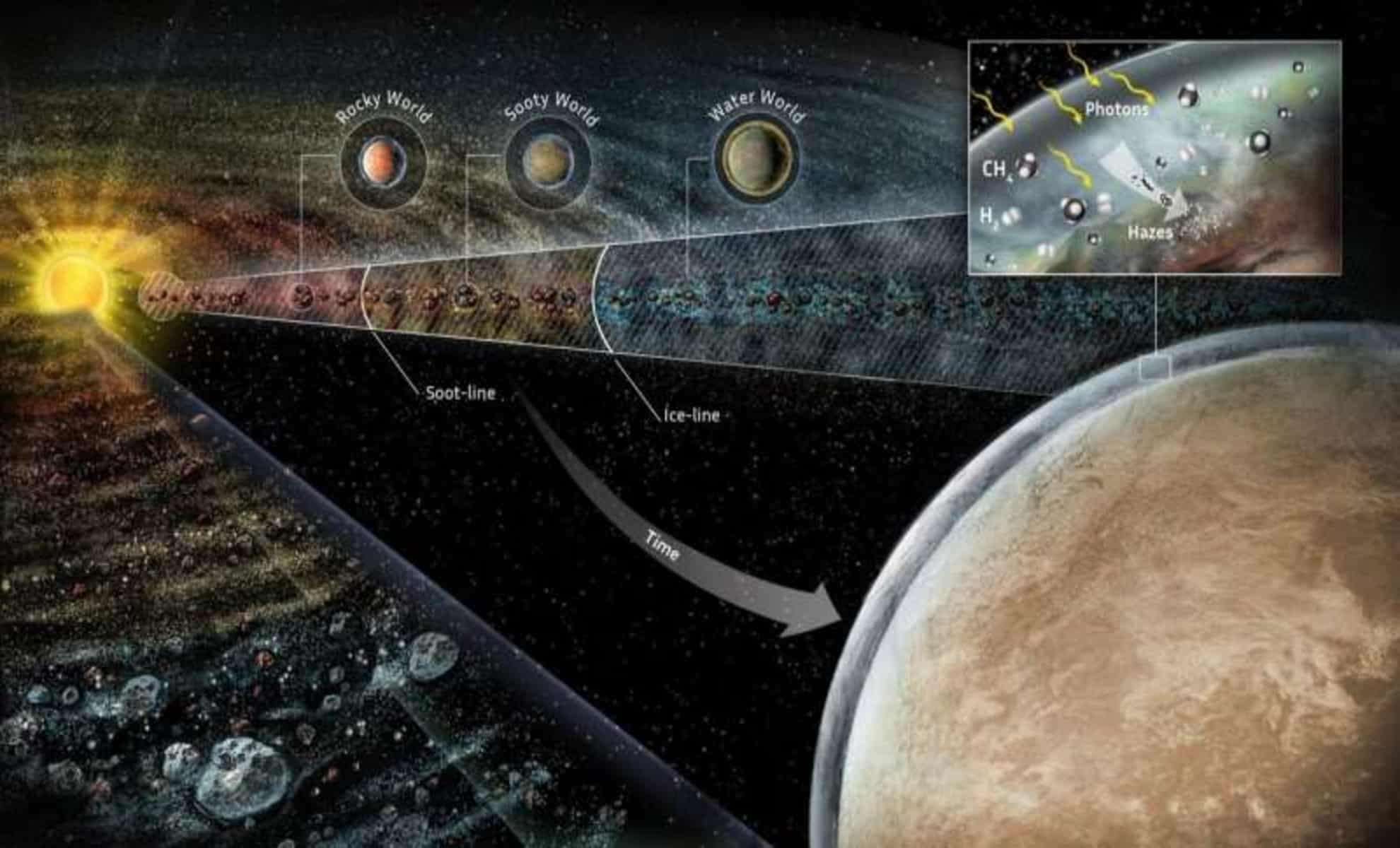
For many years, scientists have considered water worlds—planets abundant in water and ice—to be widespread throughout the cosmos. This perspective has heavily influenced theories about planetary formation and the quest to identify habitable exoplanets. Yet, new findings from Jie Li and their team at the University of Michigan, shared on the arXiv platform, present a compelling argument against this prevailing thought.
Defining Soot Worlds: A Paradigm Shift in Planetary Classification
Though “soot” typically evokes images of blackened residues left by flames, in planetary science it signifies a form of refractory organic carbon (CHON). This mixture of carbon, hydrogen, oxygen, and nitrogen plays a key role throughout the solar system, especially in cometary material, where soot can comprise up to 40% of the total mass. Since comets serve as ancient relics of the early solar system, they offer vital insight into primordial planetary ingredients.
The idea that soot might be a primary building block for planet formation paves the way for fresh perspectives in the field. Traditionally, the “snow line” marks the distance from a star where water ice survives, enabling water-rich planets to form. The new research proposes a “soot line,” indicating a zone where soot persists and aggregates into planetesimals, creating planets with significant carbonaceous content. Unlike frozen water planets, these soot worlds could develop closer to the star, where temperatures preclude ice formation.

Three Distinct Regions of Planetary Birth: Placing Soot Worlds
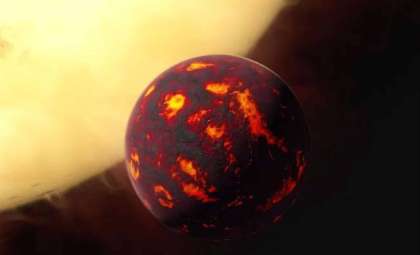
Jie Li’s study introduces a tripartite model of planet formation within a protoplanetary disk. The innermost segment, near the star, generates hot, rocky planets like Earth and Mars, too warm for soot or water to solidify. Moving outward, the soot zone exists at intermediate temperatures, too warm for water ice but cool enough for refractory organic carbon to amass into planets primarily made of carbon-rich compounds. These might mirror Saturn’s Titan, with methane atmospheres and minimal water, potentially containing up to a quarter soot by mass. Beyond this region lies the classic snow line, where cooler temperatures allow water-ice accumulation, fostering planets composed of both soot and ice—dubbed “soot-water worlds,” which might somewhat resemble Earth in make-up. Depending on environmental factors, some could be water-dominant, while others remain soot-heavy.
This framework challenges existing beliefs, indicating soot’s significant influence on planetary makeup and development.
Soot Worlds in the Realm of Exoplanet Research
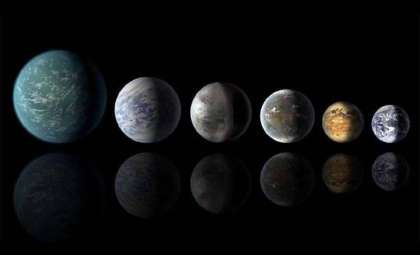
This groundbreaking model helps reinterpret data from missions like the James Webb Space Telescope (JWST). Numerous exoplanets, especially those termed mini-Neptunes, have been tagged as water worlds based on size and density metrics. Li’s research, however, opens the door to the possibility that many of these planets comprise soot and other carbon-rich materials instead.
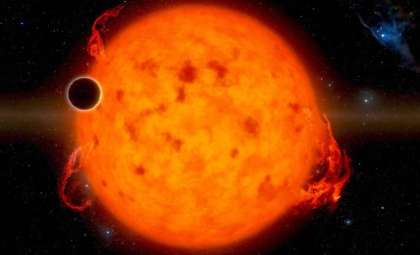
Planets such as K2-12b and TOI-280d serve as promising soot world candidates, exhibiting elevated carbon-to-oxygen ratios that align with carbon-rich atmospheres. These sub-Neptunes demonstrate characteristics that compel astronomers to prioritize additional atmospheric scrutiny. Future observations could confirm soot’s prominence, distinguishing these planets from traditional water worlds.
Such insights might broaden the criteria for habitability, emphasizing carbon-dominated planets as viable environments rather than focusing exclusively on water presence.
Habitability Considerations: Can Life Thrive on Soot Worlds?
Understanding habitability remains central to exoplanetary exploration. While water worlds have been linked firmly to life potential, soot planets introduce alternative biological scenarios. Challenges include possibly weaker magnetic fields and diamond-rich cores that affect volatile cycling, complicating climate regulation.
Nevertheless, atmospheres rich in methane and organic volatiles could foster unique prebiotic chemical pathways. These carbon-centric environments might host life forms independent of water-based biochemistry, expanding our conception of where and how life might exist.
These revelations imply the universe may harbor life in unexpected places—on planets dominated by methane and carbon compounds, rather than exclusively on watery worlds like Earth.
- Categories:
- News






0 comments
Sign in to Comment