
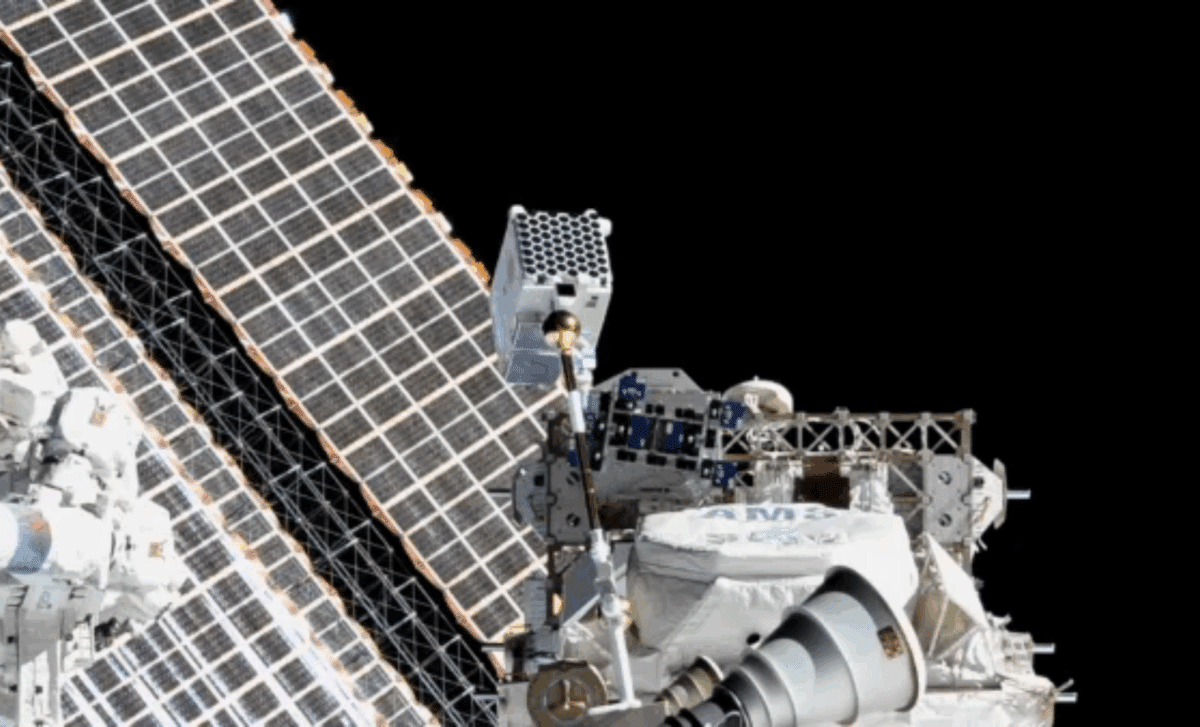
Operations of the Neutron Star Interior Composition Explorer (NICER) on the International Space Station (ISS) have been temporarily suspended due to a significant motor malfunction that prevented the telescope from maintaining its tracking of astronomical objects. Launched in 2017, NICER has surpassed its initial 18-month mission plan by almost eight years, providing groundbreaking data on neutron stars and advancing the field of X-ray astronomy. NASA’s engineering teams are currently investigating the cause while prioritizing the safety of both the instrument and the station crew. Although the telescope remains inactive, its scientific impact continues to resonate.
Transforming Our View of X-Ray Astrophysics
NICER, affixed to the ISS’s starboard truss, is among NASA’s most successful astrophysics tools operating in low Earth orbit. Built to examine the extreme density of neutron stars, it has delivered high-precision observations from some of the universe’s harshest environments. On June 17, 2025, the device's pointing motor unexpectedly ceased functioning, causing a halt to all active science tasks managed by teams at NASA’s Goddard Space Flight Center (GSFC).
The malfunction in the telescope’s positioning system has initiated a detailed troubleshooting effort that includes robotic inspections and mechanical diagnostics. Although there is no set timetable for returning to full science operations, the wealth of accumulated data remains accessible to researchers worldwide for ongoing studies.

Beyond stellar research, NICER also hosted the Station Explorer for X-ray Timing and Navigation Technology (SEXTANT) experiment, which demonstrated that pulsar timing could enable spacecraft to navigate autonomously. As explained in the NASA Technical Report, this system achieved navigational accuracy within ten kilometers, opening possibilities for future deep-space missions independent of Earth-based communication.
Integrating Engineering Challenges With Space Missions
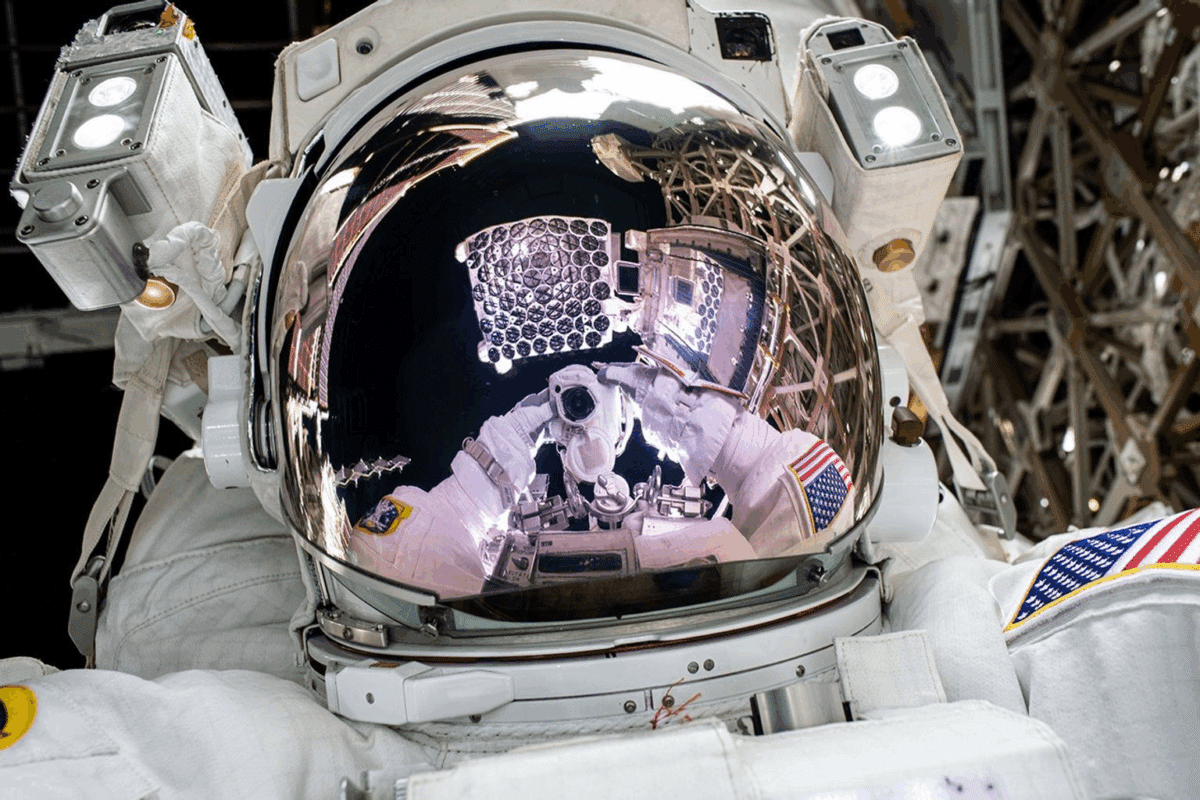
This current setback echoes previous obstacles, notably the 2023 damage to NICER’s light shield that temporarily exposed sensitive instruments to sunlight. The issue was resolved through a collaborative spacewalk on January 16, 2025, where astronaut Nick Hague applied nine thermal patches under team leader Keith Gendreau’s direction.
“Watching the preparation and then debriefing with the crew was incredible,” Gendreau remarked. Coordination between the astronomy and human spaceflight divisions has strengthened through these repairs, which restored NICER’s ability to perform daylight observations and established protocols vital for future in-orbit maintenance. These insights are now guiding cautious efforts to restore the telescope’s movement.
Every troubleshooting step is carefully planned, drawing on the lessons from prior repairs: methodical, slow, and closely monitored to safeguard the instrument. Options for securing NICER in a safe stowed position are also under exploration, particularly if operational adjustments are required to accommodate ISS activities, as noted in ISS mission updates.
Scientific Contributions Rooted in Pulsars and Magnetars
Though NICER is currently idle, its previously gathered observations continue fueling advancements in high-energy astrophysics. For example, during a 2020 episode involving the magnetar SGR 1935+2154, NICER recorded an extraordinary 217 X-ray bursts in less than 20 minutes. These detailed measurements are vital for understanding mechanisms such as magnetic reconnection that unleash vast energy.
The instrument’s rapid pointing ability and impressive photon collection have enabled scientists to detect fleeting phenomena lasting just milliseconds—events largely inaccessible to conventional telescopes. These capabilities have deepened knowledge of pulsars, the properties of accretion disks, and the internal physics of neutron stars.
Irrespective of whether NICER regains full operational status, its extensive archive—comprising thousands of hours tracking black holes, neutron stars, and transient events—will remain invaluable for X-ray astrophysics research. Current efforts are underway to further exploit these archives to enhance models related to cosmic density, emission processes, and space navigation leveraging pulsar timing.
Enduring Strength of a Space Observatory
At present, NICER is inactive, though far from disregarded. NASA has shifted attention toward in-depth analysis of existing datasets while cautiously pursuing recovery actions. Whether the observatory reactivates fully or continues in a passive role, its contributions have permanently shaped the course of X-ray astronomy.
By investigating some of the universe’s densest objects and demonstrating the practicality of autonomous navigation triggered by pulsar signals, NICER embodies innovation, determination, and a unique collaboration among engineers, astronauts, and astrophysicists. Its temporary silence marks a continuation—not a conclusion—of an unexpectedly enduring mission.
- Categories:
- News








0 comments
Sign in to Comment