
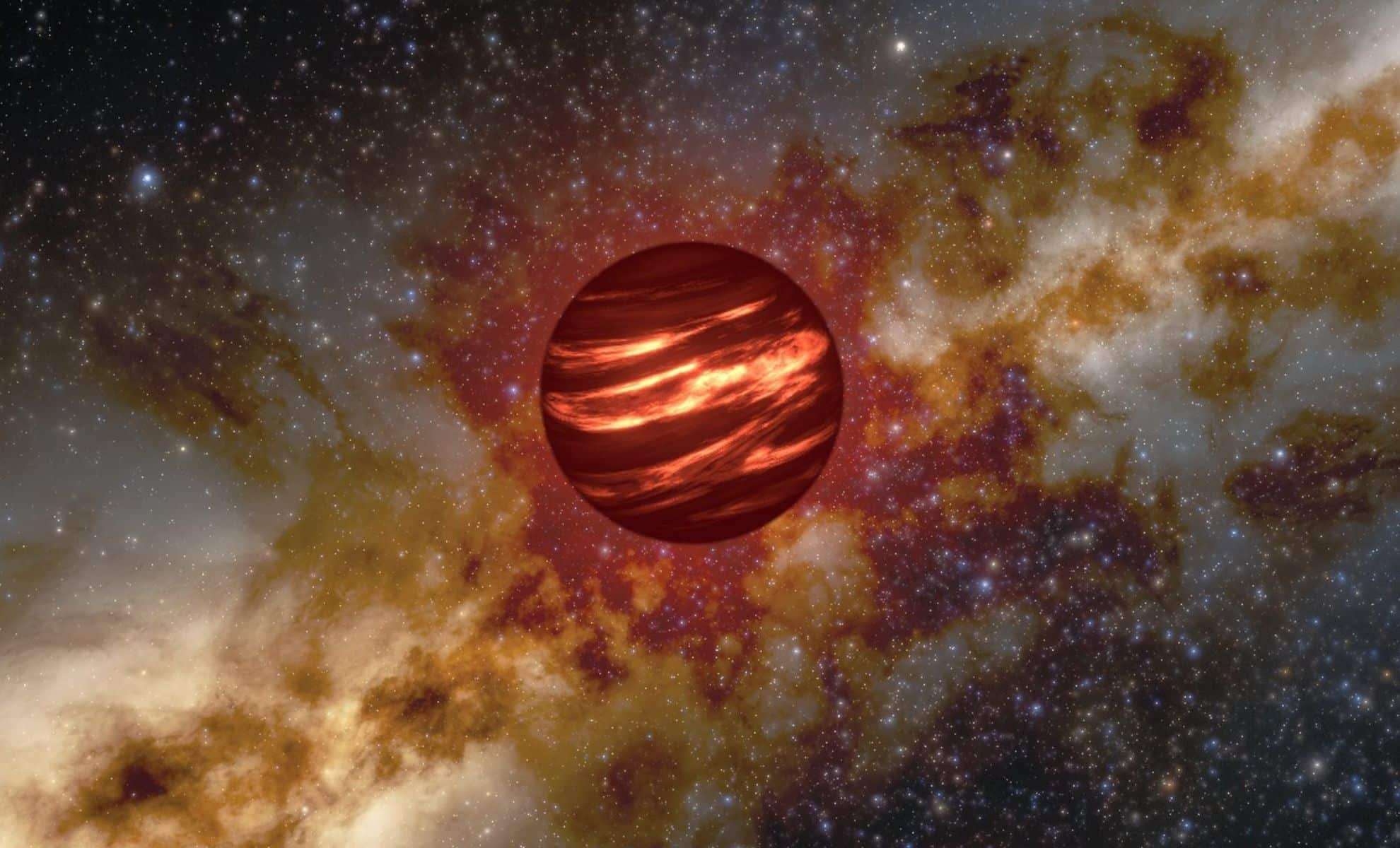
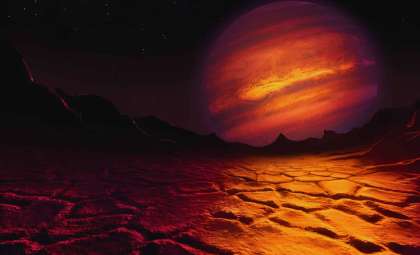
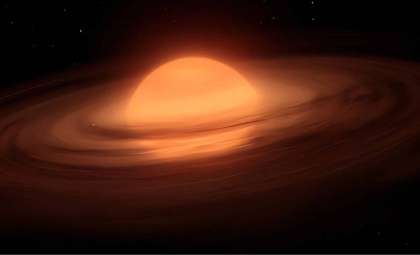
Recent research published in Nature reveals that the James Webb Space Telescope (JWST) has identified a rare chemical compound within the atmosphere of a mysterious brown dwarf named the accident. This breakthrough sheds light on why the molecule Silane has remained undetected in the skies of Jupiter and Saturn despite many years of observation.
An Enigmatic Brown Dwarf
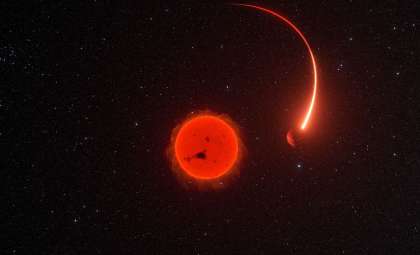
First spotted in 2020 by a citizen scientist involved with the Backyard Worlds: Planet 9 project using data from NASA’s decommissioned Neowise mission, the accident has intrigued astronomers due to its unique traits. Positioned approximately 50 light-years away, this ancient object is estimated to be between 10 and 12 billion years old, ranking it among the oldest known brown dwarfs. Its atmospheric features are a curious mix of those typically observed in very young brown dwarfs and characteristics common to much older ones.
This unusual combination kept it hidden from detection until the sensitive instruments aboard JWST probed it more fully. During these observations, scientists found a mysterious molecule that was eventually confirmed as Silane (SiH4), a silicon-hydrogen compound rarely seen in such environments.

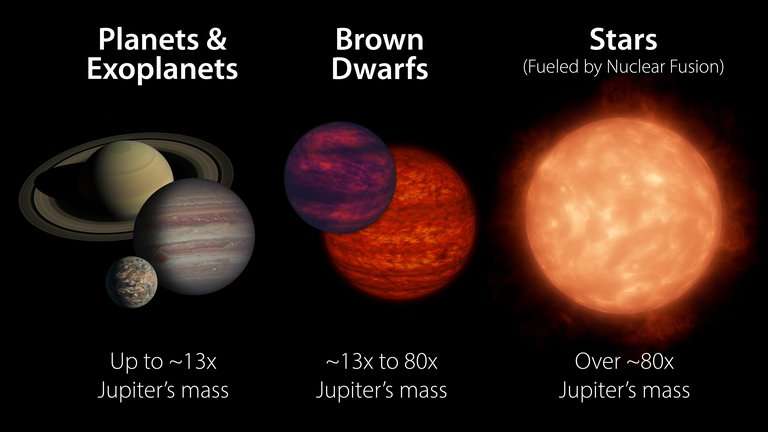
The Elusive Silane in Gas Giant Atmospheres
Silane has long been predicted to exist in the atmospheres of gas giants within our solar system and exoplanets alike, but no direct evidence had emerged around Jupiter, Saturn, or other brown dwarfs — until now. Researchers suggest the scarcity is tied to silicon’s chemical behavior in oxygen-rich atmospheres.
On planets abundant in oxygen, silicon quickly bonds with it to form oxides like quartz. These substances can form thick mineral cloud layers resembling dust storms on hotter planets, or, in cooler settings, sink below layers of water vapor and ammonia clouds. Consequently, silicon becomes concealed deep within the atmosphere, making Silane nearly undetectable at higher altitudes.
The presence of Silane in the accident indicates a different chemical environment. During the brown dwarf’s formation billions of years ago, the universe had notably less oxygen. With fewer oxygen atoms to bond with, silicon combined with hydrogen instead, producing detectable levels of Silane.
A happy accident 🌌
— NASA Webb Telescope (@NASAWebb) September 9, 2025
Webb's view of a brown dwarf, named "The Accident," discovered in 2020 by a citizen scientist participating in @NASAJPL's now-retired NEOWISE program, could solve a cosmic mystery! https://t.co/qr0zJhIJr7 pic.twitter.com/OLVaPyXKDl
Insights from Extreme Cosmic Laboratories
Lead researcher Jacqueline Faherty from the American Museum of Natural History highlighted, “It’s often the rare and extreme cases that help us refine our understanding of more typical objects.” By analyzing a brown dwarf with such atypical atmospheric chemistry, scientists can enhance their models of planetary atmospheres in general.
While the accident is too dim and cool to harbor life, it offers a valuable glimpse into the chemistry of giant exoplanets. Unlike planets orbiting stars, brown dwarfs drift through space unaccompanied, free from stellar glare, making their atmospheres excellent natural testbeds for studying chemical processes.
Implications for Future Planetary Science
This landmark detection of Silane does more than resolve longstanding mysteries about Jupiter and Saturn. It also underscores how researching diverse and unexpected worlds prepares scientists for the challenge of evaluating rocky, potentially habitable exoplanets. Faherty notes that future findings may defy expectations, mirroring the complex chemistry observed in these ancient brown dwarfs.
NASA Jet Propulsion Laboratory’s Peter Eisenhardt summed it up: “Our goal was to understand the peculiar nature of this brown dwarf, but encountering Silane was a complete surprise. The cosmos never ceases to astonish.”
- Categories:
- News


0 comments
Sign in to Comment