
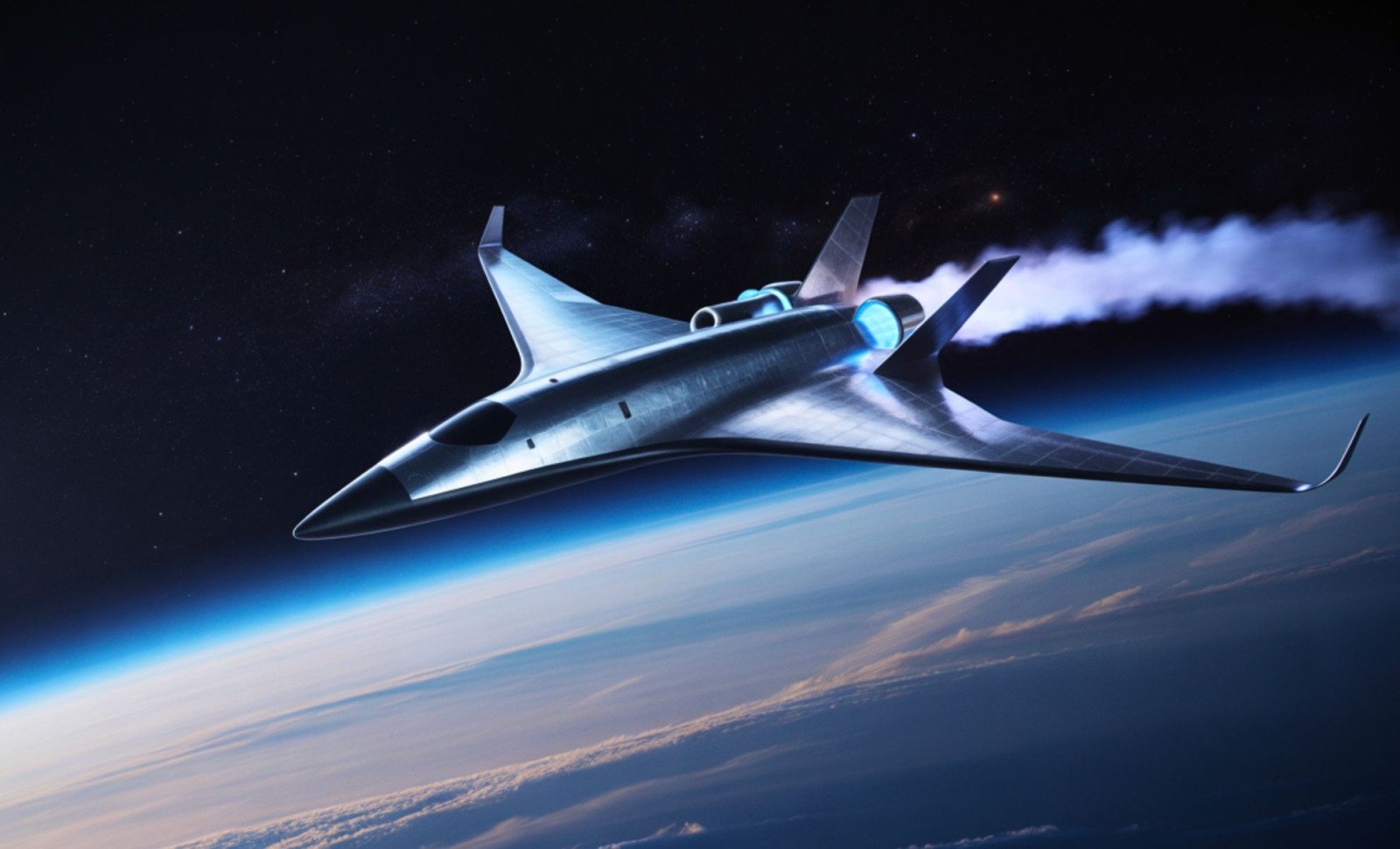
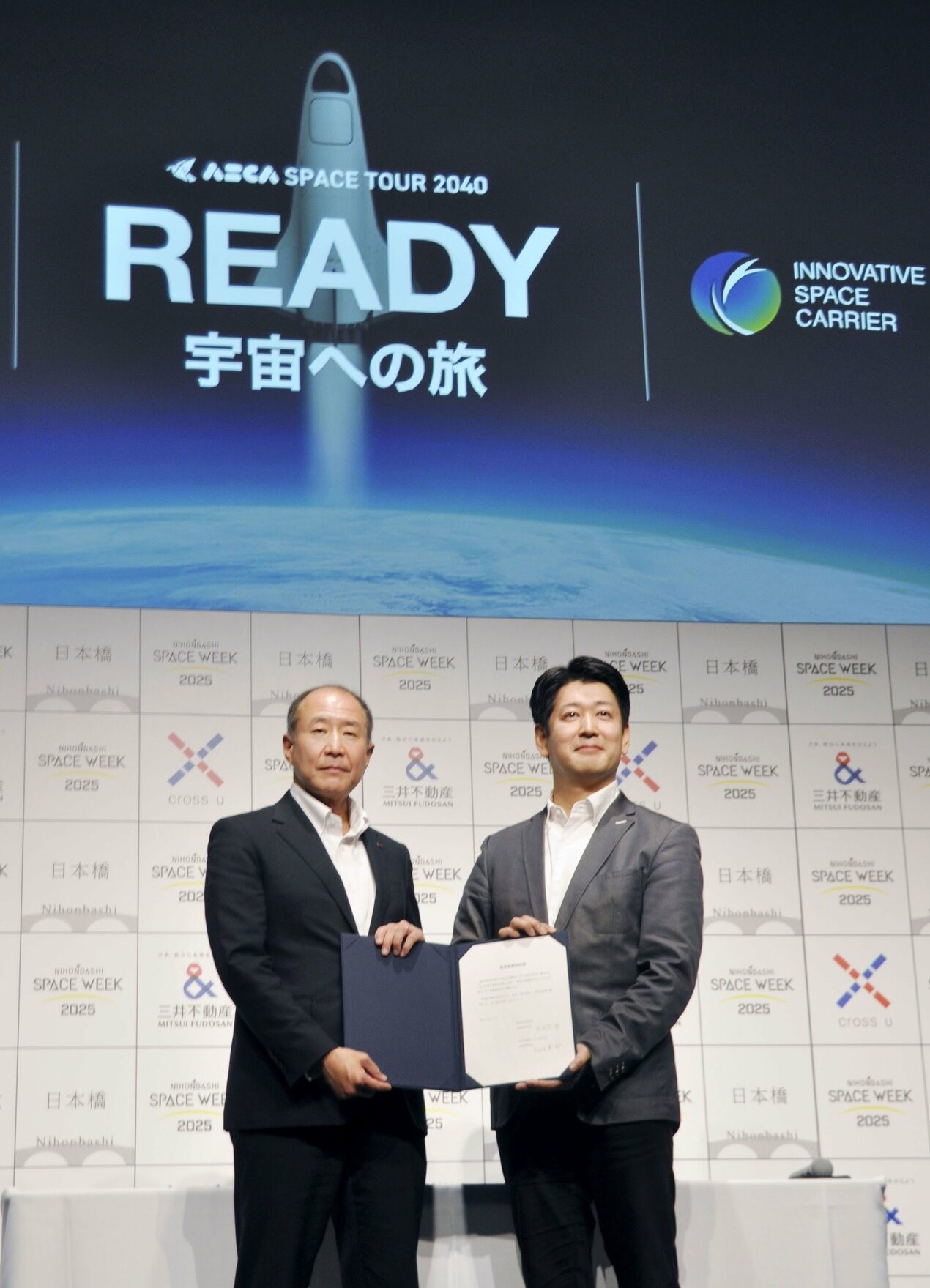
A travel company in Japan is setting sights on revolutionizing global travel. By the 2030s, it hopes to enable passengers to journey from Tokyo to New York in merely one hour using suborbital spaceflight. This groundbreaking project was unveiled by Nippon Travel Agency Co. during a recent press event in Tokyo.
In collaboration with Innovative Space Carrier Inc., the plan involves reusable rockets soaring passengers into space briefly before descending back to Earth near their arrival city. The estimated round-trip fare stands at ¥100 million (~$657,000 USD), with pre-booking opportunities expected to open by fiscal year 2026.
The service aims to launch from offshore platforms, potentially linking any two locations worldwide within an hour. Although initially aimed at affluent travelers, the companies believe that expanding operations could gradually make trips more affordable.

Advancing Toward Orbital Travel Solutions
This initiative positions Japan as a pioneer in commercializing point-to-point suborbital transportation, a concept previously explored by entities such as SpaceX and Blue Origin. Under this partnership, Innovative Space Carrier Inc. will supply the reusable spacecraft, while Nippon Travel Agency will focus on developing and promoting travel options, according to reports by Hypebeast.
Early stages will offer experiences like sampling space cuisine and tours of aerospace facilities starting in 2026. Full passenger flights are slated for the 2030s, with plans to eventually provide orbital stays by the 2040s, as company executives announced.
“We hope this business will be a new starting point to connect space travel and tourism,” Nippon Travel Agency President Keigo Yoshida told reporters in Tokyo.
The flight trajectory is designed as a suborbital arc, exiting the atmosphere briefly before landing near the target location. Similar to the path used by Blue Origin’s New Shepard, this service aims to prioritize rapid global transit instead of short suborbital experiences.
Challenges and Considerations
Despite its promise, experts highlight significant technical and regulatory hurdles. Suborbital spacecraft endure severe thermal and mechanical stresses during reentry. Ensuring these vehicles meet safety standards for frequent human flights remains complex. A 2021 NASA-commissioned study by the MITRE Corporation flagged key concerns around passenger safety, intense G-forces, and launch site logistics.
The prohibitive ticket costs also present barriers. Currently, suborbital flights by companies like Blue Origin run between $200,000 and $1.25 million, while Virgin Galactic charges around $450,000. Although reusable rockets could lower prices eventually, a sustainable model for affordable, frequent travel has yet to be proven.
Innovative Space Carrier CEO Kojiro Hatada stressed that enhancing each vehicle’s durability and flight frequency is key to driving down expenses. Increasing the number of launches and improving reliability are crucial for economic viability.
Japan’s Expanding Presence in Space Exploration
This suborbital project is part of Japan’s broader ambitions in space exploration. The nation collaborates on NASA’s Artemis Program, aiming to send humans back to the Moon this decade, and Japan Aerospace Exploration Agency (JAXA) is progressing its own crewed flight programs.
Private enterprises are also gaining momentum. Tokyo’s ispace has been developing lunar landers, while firms like Space One are working on small satellite launch capabilities. Now, Nippon Travel Agency, a company traditionally focused on rail and hospitality, is entering the space arena, signaling growing cross-industry interest in space travel.
- Categories:
- News









0 comments
Sign in to Comment