
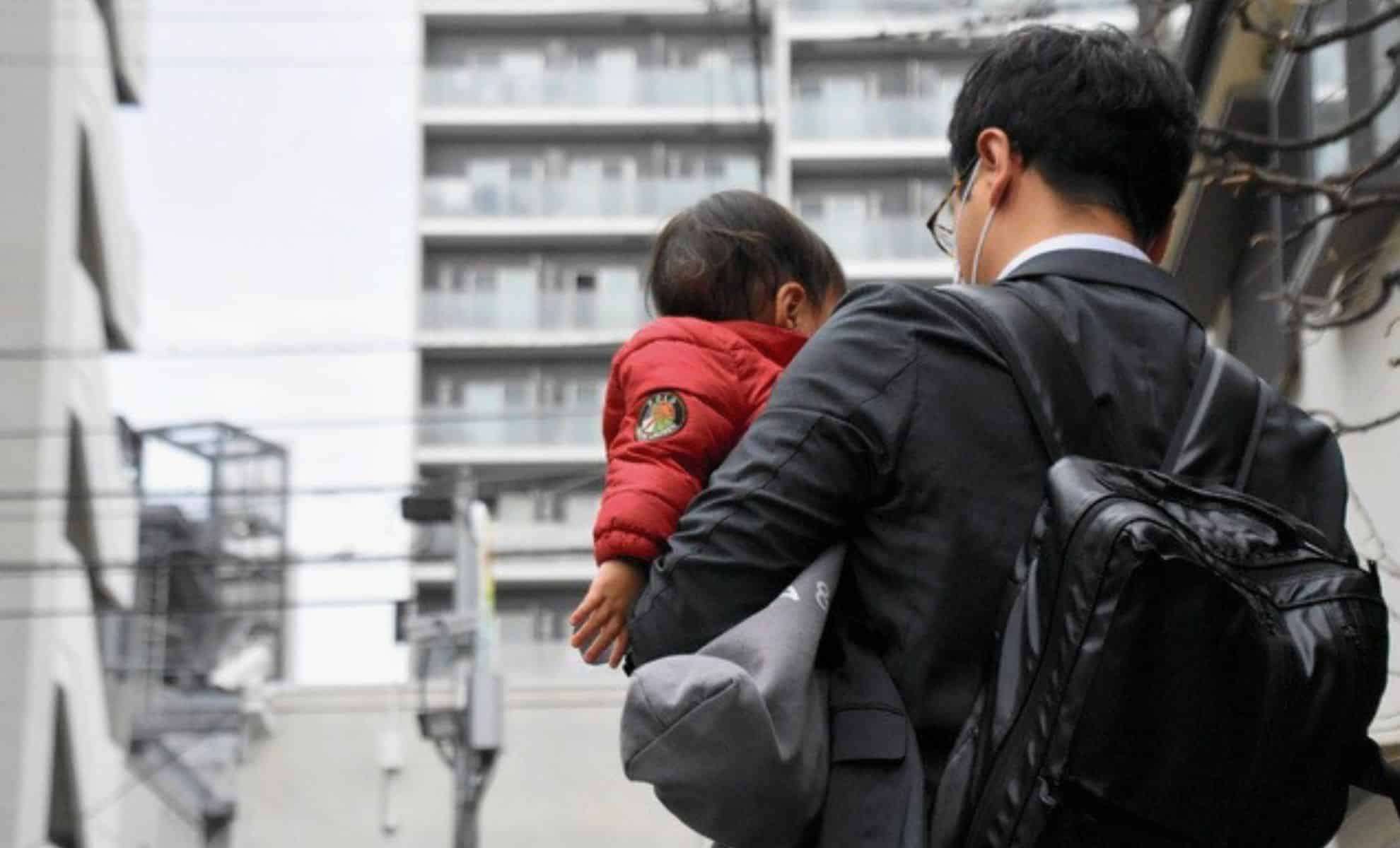
Facing a severe demographic challenge, Tokyo has launched an innovative policy aimed at enhancing work-life harmony and encouraging higher birth rates. The Tokyo Metropolitan government plans to implement a four-day workweek for its municipal employees as part of efforts to counteract Japan’s swiftly aging population and shrinking family sizes.
Tokyo Introduces Progressive Measures to Support Working Parents
To better assist working families, especially women, Tokyo’s new program includes a “childcare partial leave” option, allowing parents to shorten their workdays by two hours for childcare duties.
Tokyo Governor Yuriko Koike emphasized that this strategy is intended to prevent women from having to choose between their careers and raising children. In her address to the Tokyo Metropolitan Assembly, Koike stated:

“We will continue to review work styles flexibly to ensure that women do not have to sacrifice their careers due to life events such as childbirth or child-rearing.”
Japan Faces a Demographic Emergency with Plummeting Birth Rates
Japan’s fertility numbers have reached historic lows, with only 350,074 births recorded between January and June 2024—a 5.7% decrease compared to the previous year. The nation’s fertility rate now hovers at 1.2 children per woman, significantly below the replacement rate of 2.1 necessary to sustain the population.
Tokyo’s situation is even more concerning, with a birth rate of only 0.99 children per woman. As the elderly segment of the population grows, Japan confronts mounting obstacles in preserving its workforce and social stability.
Despite longstanding governmental initiatives offering expanded parental leave, childcare support, and financial benefits for families, Japan’s birthrate declines have shown little sign of reversal.
These statistics reflect a persistent downward trend over the past eight years, demonstrating the limited impact of existing policies on Japan’s demographic trajectory.
Examining Gender Roles and Their Effect on Reproductive Choices
A major factor contributing to Japan’s low birthrate is the pronounced gender imbalance in household duties. The International Monetary Fund (IMF) highlights that Japanese women undertake five times the amount of unpaid housework compared to men, encompassing childcare and eldercare responsibilities.
This uneven domestic workload makes it harder for women to balance professional goals and family priorities, often influencing them to delay or limit childbearing.
Tokyo’s four-day workweek hopes to foster a more balanced sharing of home duties. Research from other nations indicates shorter workweeks can encourage greater male participation in childcare and household chores.
For example, in one study, men on a four-day workweek reported spending 22% more time on childcare and 23% more on household tasks. Such shifts could relieve pressures on women and enable them to pursue career advancement and larger families more feasibly.
Nevertheless, while the four-day week offers promise for easing parents’ challenges, experts urge caution in expecting it to be a universal fix.
Julia Hobsbawm, founder of the workplace consultancy Workathon, remarked: “I firmly believe that there is no one-size-fits-all.” She noted that success depends on the specific demands of industries and cultural environments.
- Categories:
- News













0 comments
Sign in to Comment