
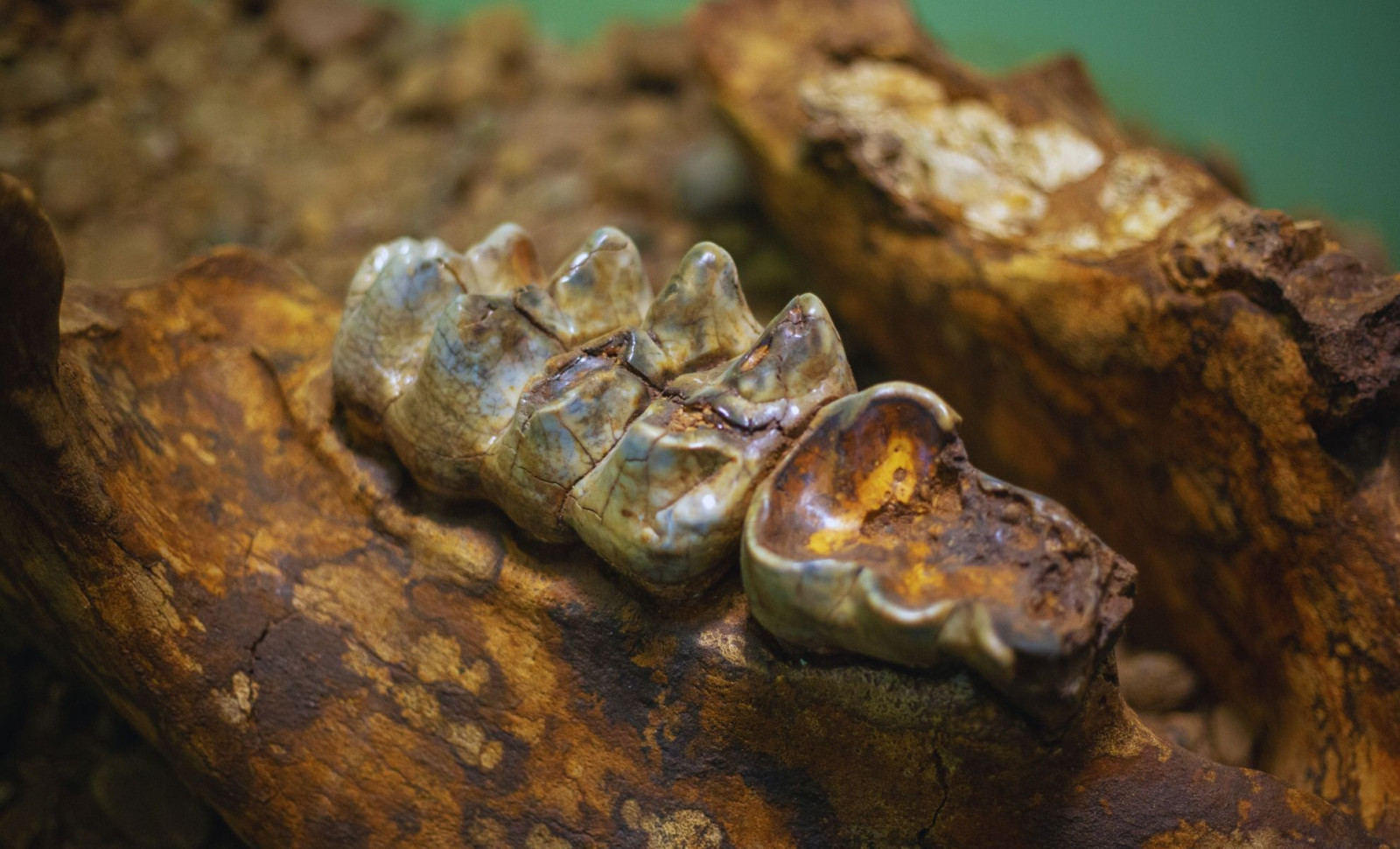
A bone fragment from a jaw, unearthed in Taiwan, has been identified as belonging to the enigmatic Denisovans, prompting a reevaluation of their habitat range. Previously, these elusive archaic humans were known only from fossil records in Siberia and Tibet, regions characterized by cold climates.
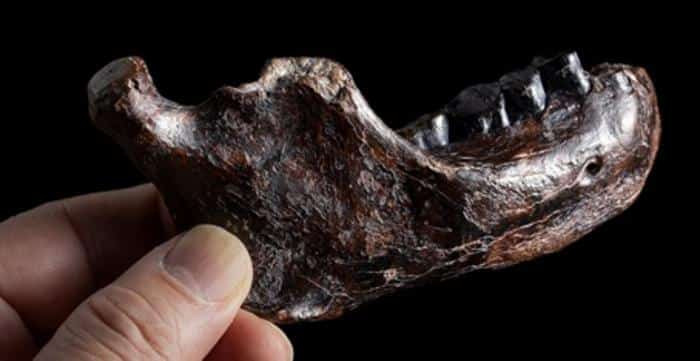
In 2008, fossil enthusiast Kun-Yu Tsai purchased an unusual jawbone at an antique market in southern Taiwan. The fossil had been retrieved from the Penghu Channel by local fishermen. While its human-like features were apparent, Tsai had no idea of the fossil's profound importance.
Innovative Techniques Lead to Discovery
Identifying the Penghu 1 specimen proved challenging. Traditional DNA sequencing was unfeasible due to insufficient collagen in the fossil. Researchers instead employed groundbreaking paleoproteomics, a technique that analyzes ancient proteins preserved in bones. Their efforts yielded remarkable findings. As detailed in a recent study published in Science, scientists extracted over 4,200 amino acid residues from the fossil, identifying five proteins that closely matched Denisovan sequences.

This protein data was compared against Denisovan genetic material recovered from Siberian fossils, including a finger bone and molar from Denisova Cave. These comparisons confirmed Penghu 1 as a Denisovan mandible.
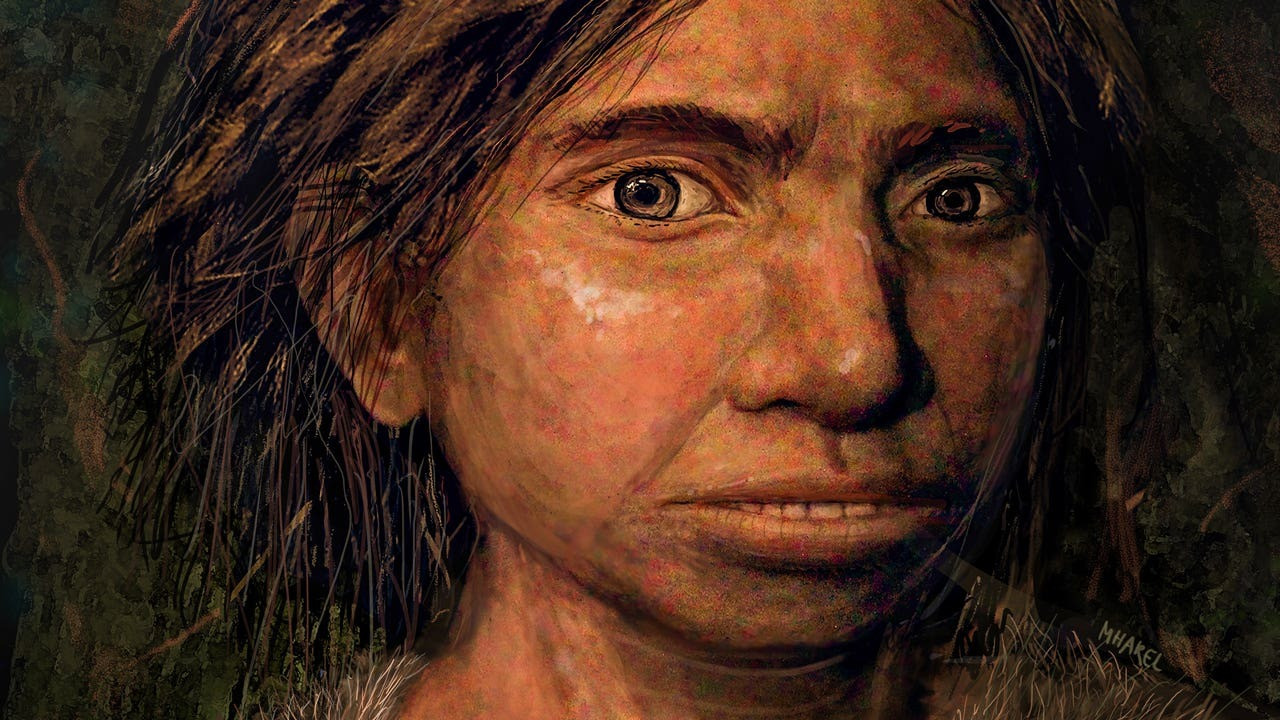
Denisovans Lived Beyond Frozen Territories
Previously, scientists associated Denisovans with frigid, isolated regions such as Siberia and Tibet, envisioning them as cold-adapted hominins similar to Neanderthals. However, the discovery of Penghu 1 disputes this, as the fossil originated from a subtropical environment, revealing that Denisovans inhabited warmer regions as well.
“This identification confirms previous genomic predictions of the group’s widespread occurrence, including in warmer climates,” explained scientist Sacha Vignieri. This discovery suggests that Denisovans were far more adaptable than previously believed.
Expanding Our Understanding of Denisovan Range
This finding aligns with genetic evidence indicating Denisovan ancestry among populations in Southeast Asia and Aboriginal Australians. Researcher Takumi Tsutaya emphasized that this discovery supports a broader geographic distribution for Denisovans than previously believed.
“The identification of Penghu 1 as a Denisovan mandible confirms the inference from modern human genomic studies that Denisovans were widely distributed in eastern Asia.”
Scientists now consider that Denisovans were not confined to icy northern habitats but inhabited diverse environments across East and Southeast Asia, demonstrating their adaptability beyond the cold caves of Siberia.
- Categories:
- Science






0 comments
Sign in to Comment