
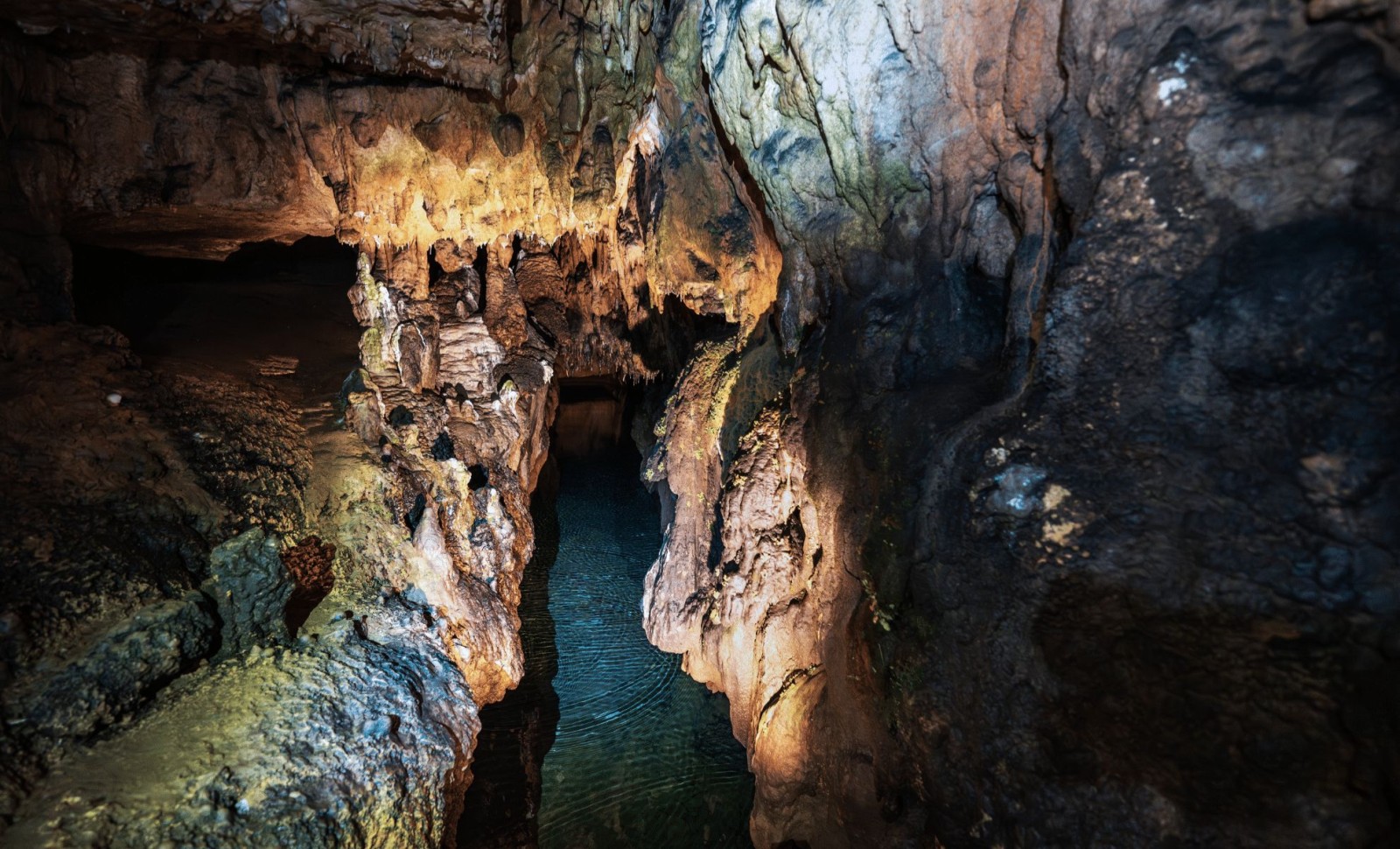
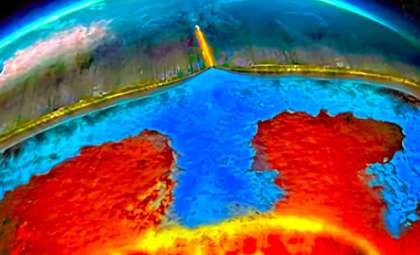
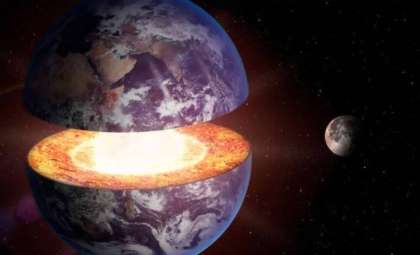
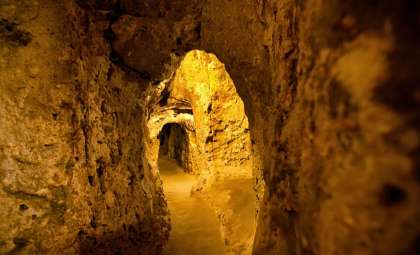
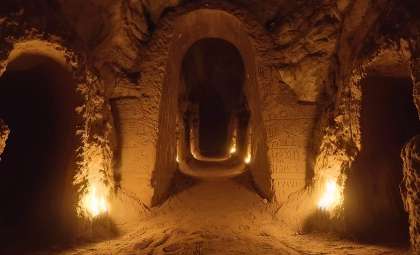
Far below Earth's crust, scientists have made an astonishing discovery: water pockets that have remained sealed away for over a billion years. While it sounds like something out of science fiction, this find in a Canadian underground mine offers potential insights into Earth's history and even the possibility of life on other worlds. This water is incredibly ancient, highly saline, and certainly not safe for drinking, yet its preservation over an immense period has captivated researchers worldwide.
The liquid, drawn from a zinc and copper extraction site near Timmins, Ontario, is so old that scientists are still analyzing what its existence means. This trapped water might harbor microbial life forms existing in isolation within a natural time capsule.
Water Older Than Human History
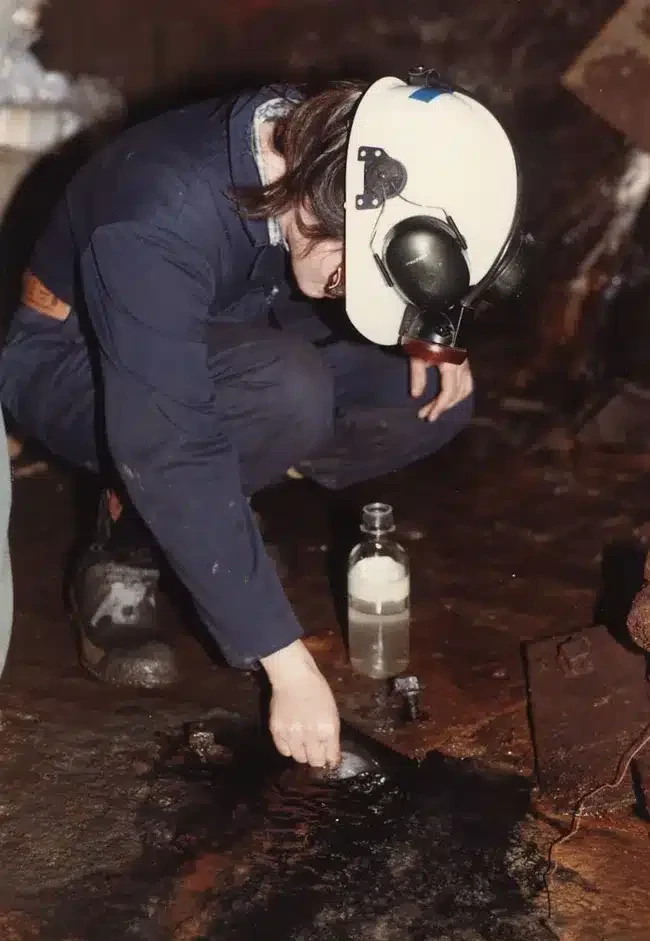
Earth sciences professor Barbara Sherwood Lollar of the University of Toronto initially suspected ancient water deep inside the Timmins mine but hadn’t predicted the scale of the discovery. What began as an educated guess evolved into a landmark finding. Collaborating with British researchers who pioneered a technique for dating noble gas isotopes, they were able to determine the age of this subterranean water.

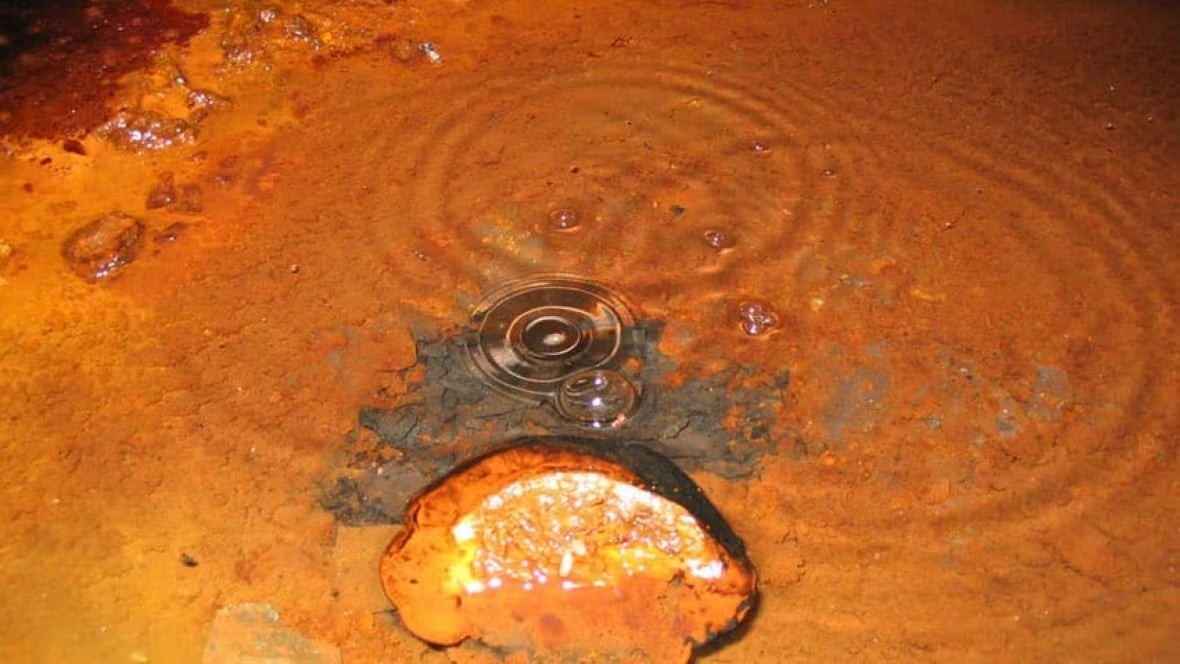
Published in Nature, their results date the water between 1.5 and 2.6 billion years old. This water has been trapped since Earth's youth, enclosed within rock fractures that formed when ancient oceans covered the region.
The survival of such an isolated water pocket across geological epochs challenges our understanding of Earth’s deep-time environments.
A Risky Sip: Why This Water Isn’t Drinkable
Despite the intrigue, this ancient water is far from a refreshing source. It’s not safe for human consumption, being both hazardous and chemically extreme.
Professor Sherwood Lollar explains that the water is warm and contains salinity levels higher than seawater. Furthermore, it holds dissolved gases like hydrogen, methane, and various noble gases. Although this combination sounds dangerous, these compounds could provide energy sources supporting tiny microorganisms over billions of years.
While unsuitable for drinking, the unique chemical makeup of this fluid helps scientists explore how life might endure under harsh, isolated conditions.
Implications for Life on Mars and Other Planets
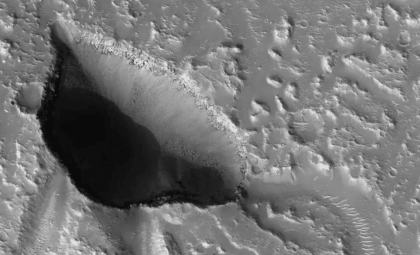
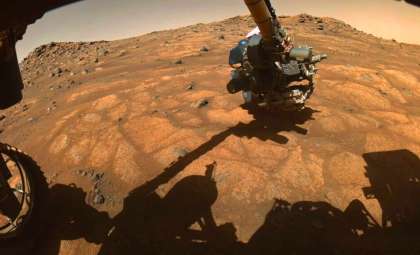
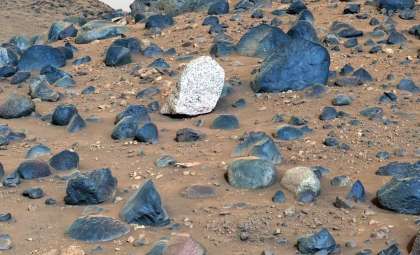
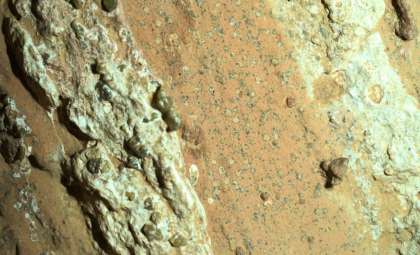
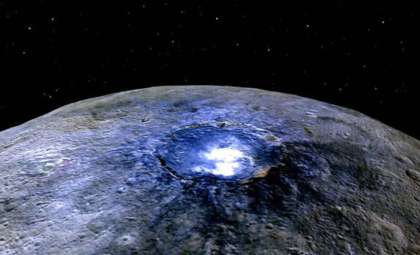
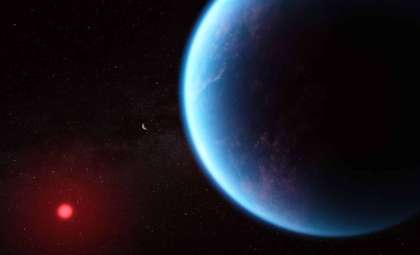
The existence of life thriving in Earth’s deep, sunless environments raises the possibility that similar ecosystems could exist beneath the surface of Mars.
“Equally on somewhere like Mars, any life that formed could have found its way into similar pockets of water in the Martian crust, and our work shows that these pockets of water can survive and provide a place for the life to have survived long after the surface of Mars lost its water and became sterile,” said Chris Ballentine, professor of geochemistry at the University of Manchester in the United Kingdom.
Dr. Greg Holland, lead author and scientist at Lancaster Environment Centre, also emphasized in a statement:
“What we can be sure of is that we have identified a way in which planets can create and preserve an environment friendly to microbial life for billions of years. This is regardless of how inhospitable the surface might be, opening up the possibility of similar environments in the subsurface of Mars.”
- Categories:
- Science

0 comments
Sign in to Comment