
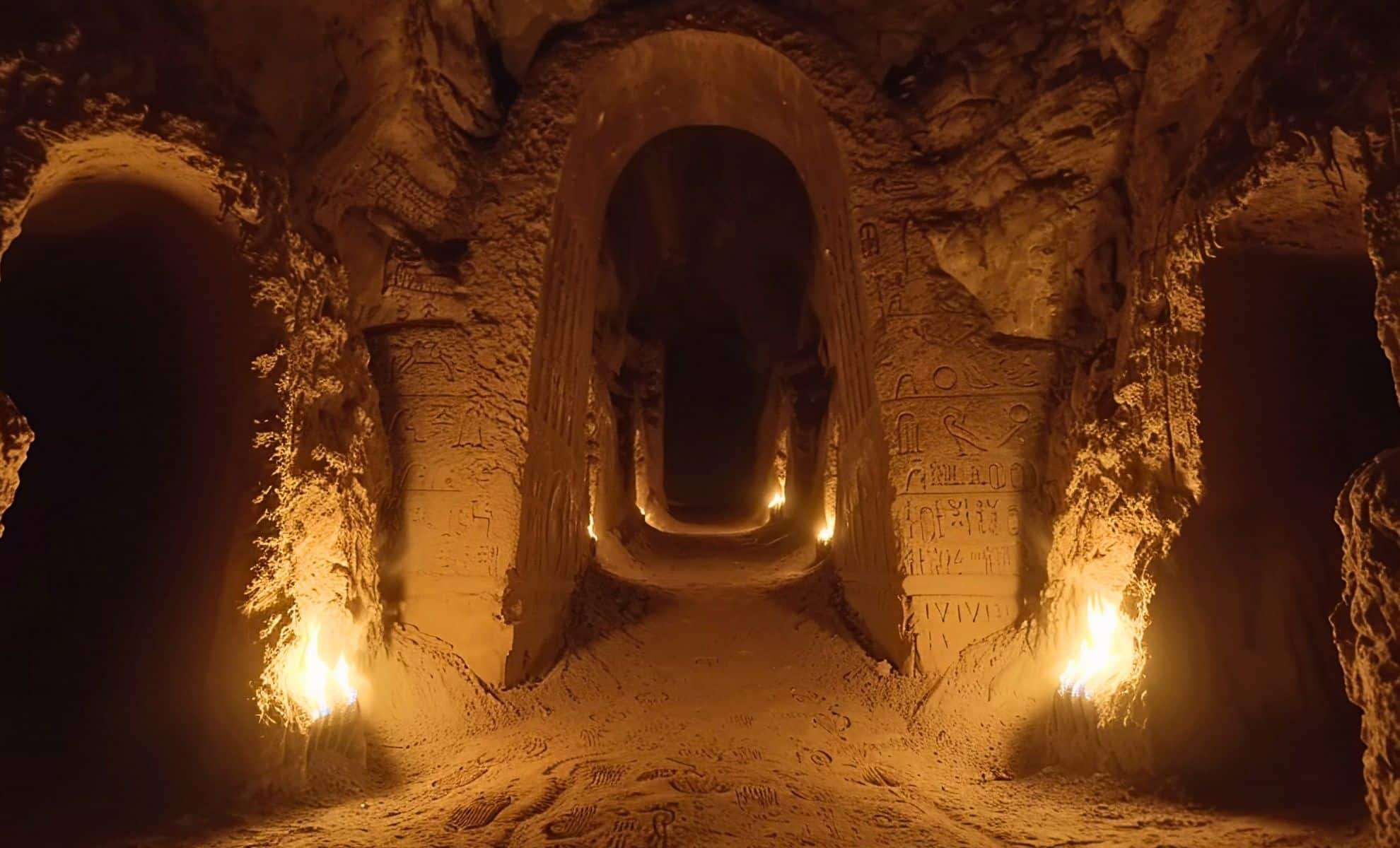
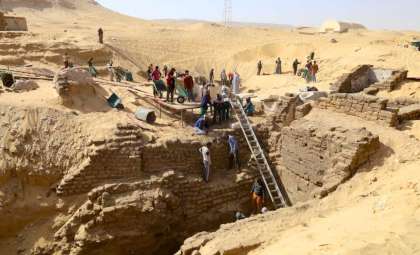
In Henan province, central China, archaeologists have uncovered a 5,000-year-old burial site at the Wangzhuang ruins in Yongcheng city that is shedding new light on a prehistoric kingdom. This tomb, distinguished by a wealth of artifacts and architectural sophistication, challenges previous ideas about the region's significance in the dawn of Chinese civilization.
The tomb spans more than 17 square meters and dates back to the late Neolithic period, linked to the Dawenkou Culture that thrived from approximately 4000 to 2600 BCE. Excavations have been carried out by the Henan Provincial Institute of Cultural Heritage and Archaeology alongside Capital Normal University, in what specialists describe as a landmark archaeological discovery.
Monumental Burial Suggestive of Royalty
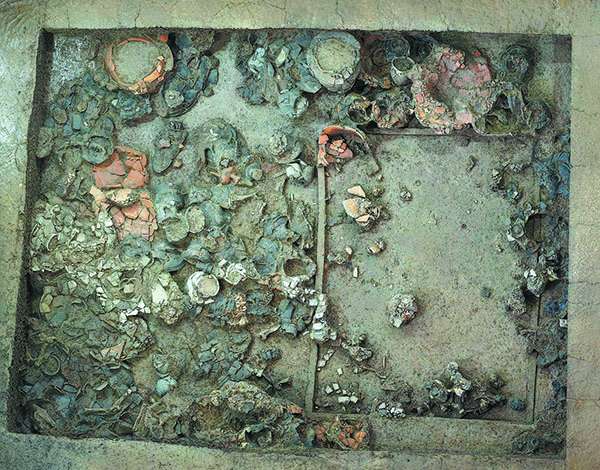
The tomb features both an inner and outer coffin, a rare characteristic underscoring the high status of the person entombed, as reported by China Daily. With dimensions ranging from 4.52 to 4.8 meters long and 3.47 to 3.68 meters wide, the burial chamber surpasses typical sizes from the era.

To date, archaeologists have documented over 350 artifacts, including upwards of 100 pottery items, close to 200 jade trinkets, various bone utensils, and animal remains. Particularly notable are several pig jawbones, symbolic of wealth and ritual significance. Although only fragments of the original occupant’s bones survived—with just some toe bones found—the vast collection offers insights into the burial practices of that time.
Signs of Intentional Tomb Disturbance
The grave shows substantial damage, likely inflicted soon after the interment. Zhu Guanghua, an associate professor at Capital Normal University, suggests that the tomb’s desecration was deliberate. “The majority of the occupant’s skeletal remains housed within the wooden coffin are gone,” he explained, pointing out that jade pieces were scattered and several ceremonial stone blades were intentionally fractured.
These findings prompt questions about the reasons behind the tomb's violation. Whether due to grave robbers, social upheaval, or ritualistic behaviors, this disturbance may reflect political or cultural tensions following the individual's death.
Hub of Societal and Cultural Activity
The Wangzhuang site comprises 45 Dawenkou burial mounds, with 27 already fully excavated. The variety in tomb dimensions and burial wealth points to a defined social ranking. Archaeological team leader Liu Haiwang comments, “The abundance of funerary goods closely parallels the tomb size,” revealing clear socioeconomic distinctions and labor divisions in that era.
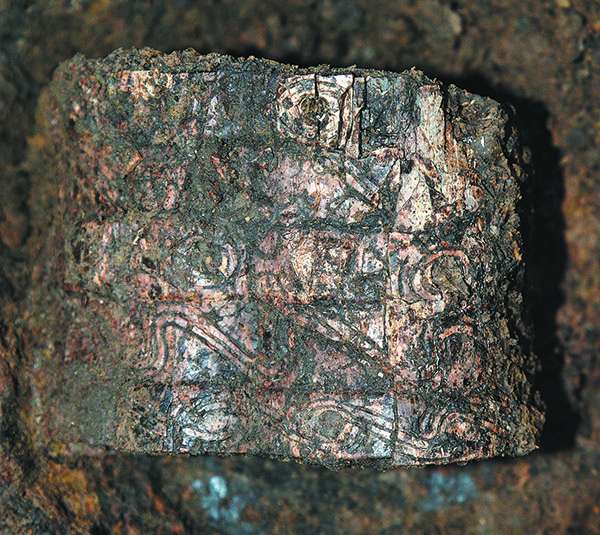
The discovery has led researchers to reevaluate the settlement’s historical importance. Zhu stated, “Recent findings suggest Wangzhuang was not simply a typical village but served as the capital of an ancient kingdom.” The presence of lavish items such as ornately carved ivory, sophisticated jade artifacts, and well-crafted pottery underscores its role as a major regional center.
Indications of Cultural Interactions
Beyond political insights, the site offers evidence of cross-cultural influences. Li Xinwei, deputy head of the Institute of Ancient History at the Chinese Academy of Social Sciences, notes the mixture of funerary customs reflects traditions from eastern Dawenkou, central Chinese cultures, and elements characteristic of the Yangtze River Valley.
Artifacts typical of the Yangshao Culture—such as distinctive small-mouthed pointed and shoulder jars—have been found, alongside animal remains like water deer teeth and a skull exhibiting a deformed occipital bone, associated with Dawenkou ritual practices.
Li emphasizes that these findings represent “early cultural exchanges in Chinese history,” positioning Wangzhuang as a crucial site to understand how diverse prehistoric communities interacted and evolved during this formative epoch.
- Categories:
- Science


0 comments
Sign in to Comment