
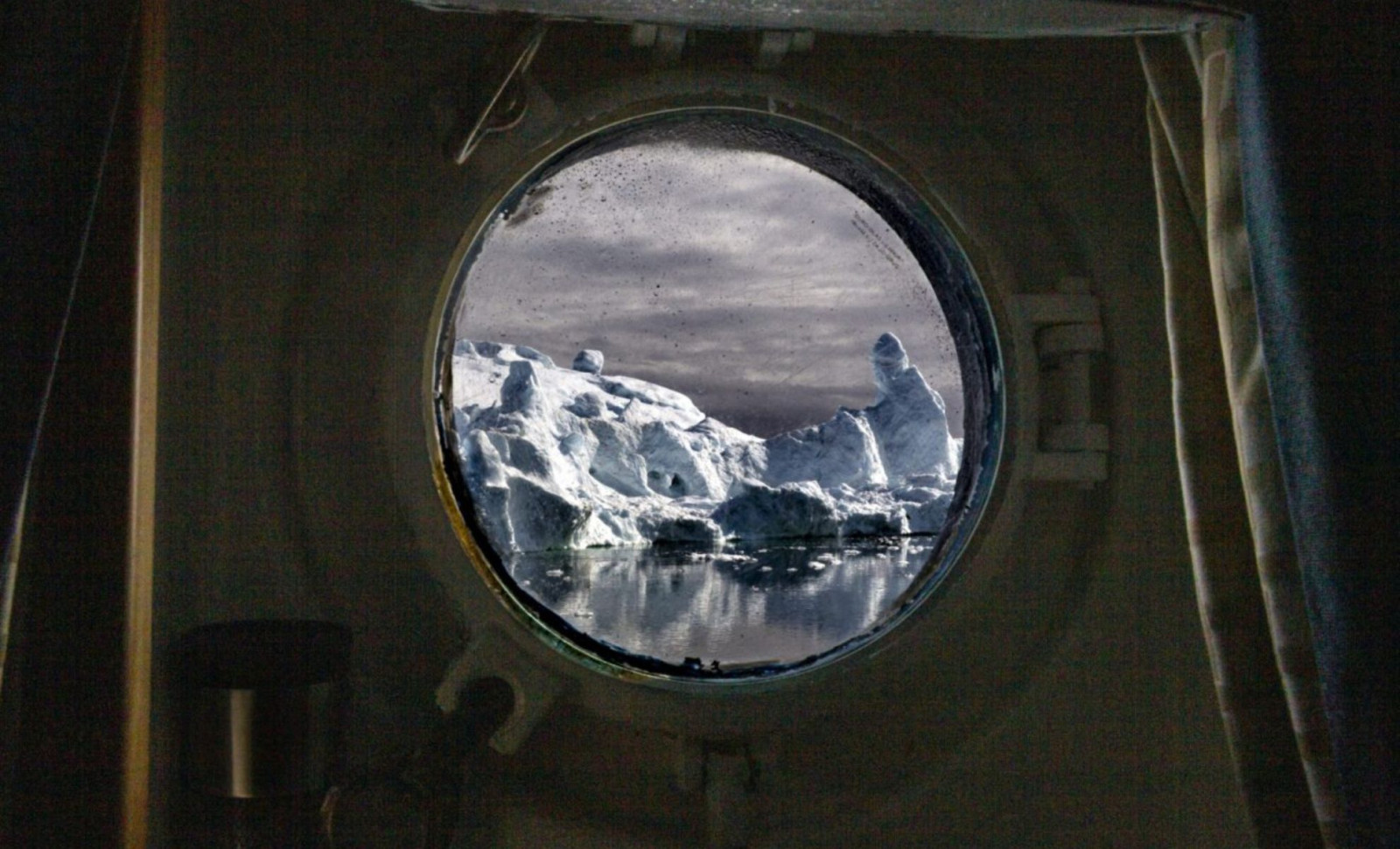
Once vibrant glaciers glowing with vivid blue tones have faded into near oblivion. Shores that teemed with wildlife have become sparsely populated shadows. Photographer Mark Seth Lender unveils a sobering reality through his lens: the planet’s coldest corners are experiencing swift warming, altering their appearance and ecology beyond recognition.
His exhibit, The End of the Ice, showcases a powerful compilation of images from Greenland, the Arctic Circle, and Antarctica, highlighting profound environmental and biological changes documented over several decades.
Disappearing Landmarks and Wildlife
On a visit to a glacier in 2024, Mark Seth Lender encountered unexpected confusion. The once-distinctive blue ice that served as a guide had dulled and nearly vanished, leaving the landscape unrecognizable. The previously striking coloration he relied on had almost disappeared.

“Often, the beauty of ice goes unnoticed because we take the cold and frozen landscapes of our planet for granted,” Lender explained in an interview with River Valley Artists. “Yet, just as animals that thrive in these frigid environments rely on ice, so too does human society depend on it.”
His observations extended beyond ice alone. Revisiting a seaside cave once bustling with hundreds of sea otters, Lender found only silence and a mere handful of animals where lively chaos once reigned. These quiet absences, he suggests, carry powerful messages as much as any vivid image.
Scientific Data Highlights Ice Loss
NASA reports that Antarctica sheds roughly 135 billion tons of ice each year, while the Arctic is experiencing warming at rates unmatched globally. These statistics put Lender’s firsthand accounts into perspective, confirming that polar ice decline is a real, urgent, and accelerating issue.
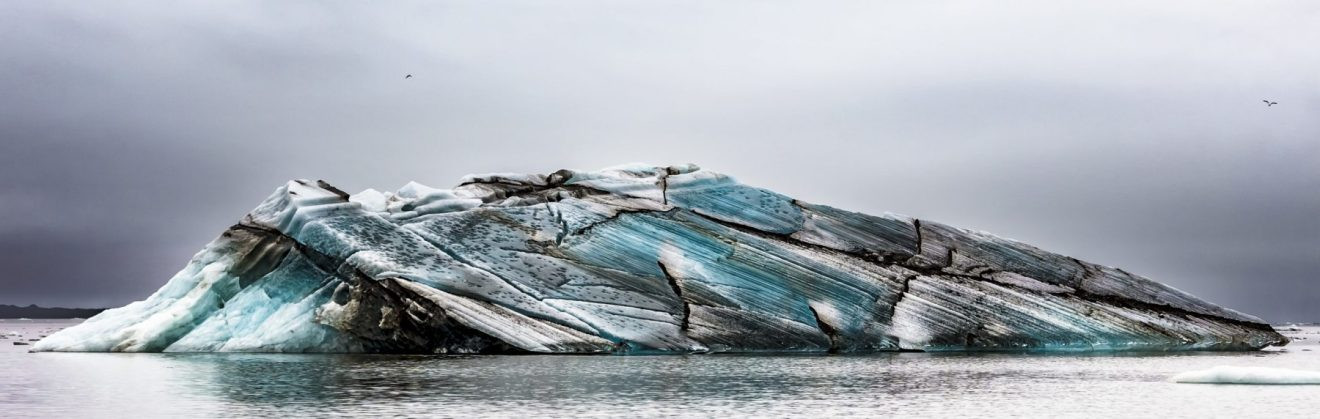
Although the warming pace in Antarctica lags behind the Arctic, ice mass losses from both poles are significant enough to disrupt ecosystems globally. These impacts ripple beyond icy shores, threatening coastal urban centers, freshwater supplies, and food webs worldwide. As Lender’s images reveal, even landscapes once deemed stable can transform remarkably in a short time.
Using Visuals to Inspire Change
For Lender, bridging awareness is less about numbers and more about tangible experience. He remarked to CT Insider, “A single photograph is more effective than a lengthy scientific explanation.” Through his evocative images, viewers can emotionally connect with distant, fragile locales and grasp environmental shifts they might never witness firsthand.
The exhibit is championed by the Connecticut-based collective River Valley Artists at the Artevistica Gallery. Together, they underscore how this body of work mirrors a planet in flux. As Lender emphatically says: “This is something everyone needs to witness.”
- Categories:
- Science




0 comments
Sign in to Comment