
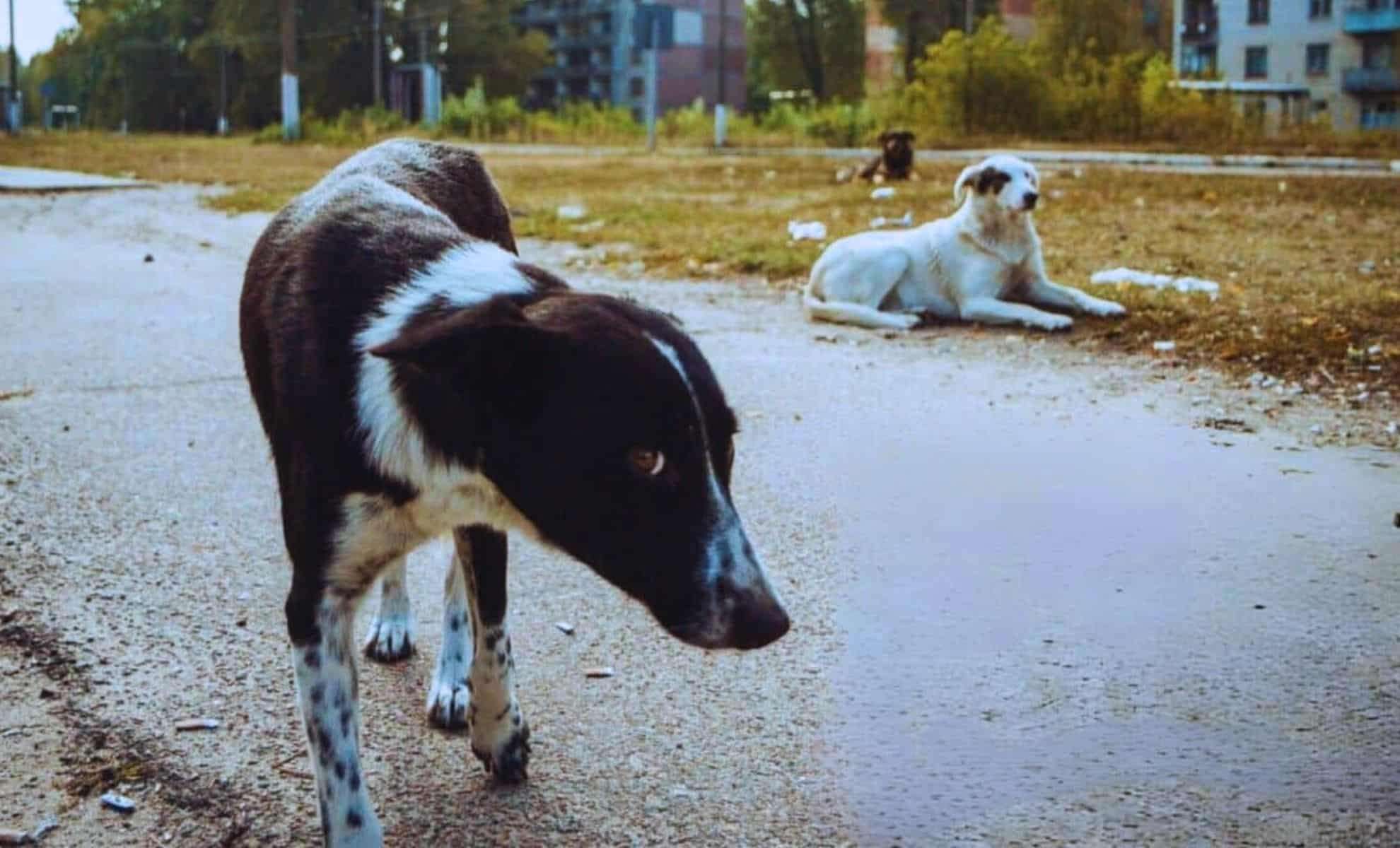
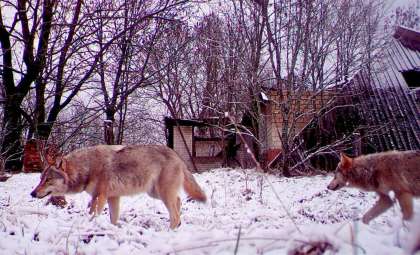
A collaborative genetic investigation by the University of South Carolina along with the National Human Genome Research Institute, featured in Science Advances, has revealed notable genetic alterations in dogs inhabiting the Chernobyl exclusion zone (CEZ) due to prolonged exposure to environmental radiation. DNA samples from 302 stray canines inside the CEZ were compared with those from canines living beyond the zone, highlighting significant genetic variations likely affecting their survival and reproduction capabilities.
Radiation Exposure Drives DNA Modifications
Findings pinpointed specific genomic regions involved in radiation response, including genes related to DNA repair mechanisms, immune system function, and metabolism regulation. Noteworthy gene variants such as ATM, TP53, and XRCC4—all key players in mending DNA double-strand breaks—displayed altered frequencies in CEZ dogs when contrasted with control groups.
The study presented a visual representation of genetic divergence (Fst values) between CEZ canines and those situated 16 kilometers away, marking chromosomal peak points:

Chromosome | Peak Fst Score | Associated Gene
----------------------------------------------
Chr 6 | 0.42 | ATM
Chr 11 | 0.39 | TP53
Chr 20 | 0.35 | XRCC4
These distinctions imply evolutionary pressures favoring genetic variants that support survival in habitats exposed to persistent low-level radiation.
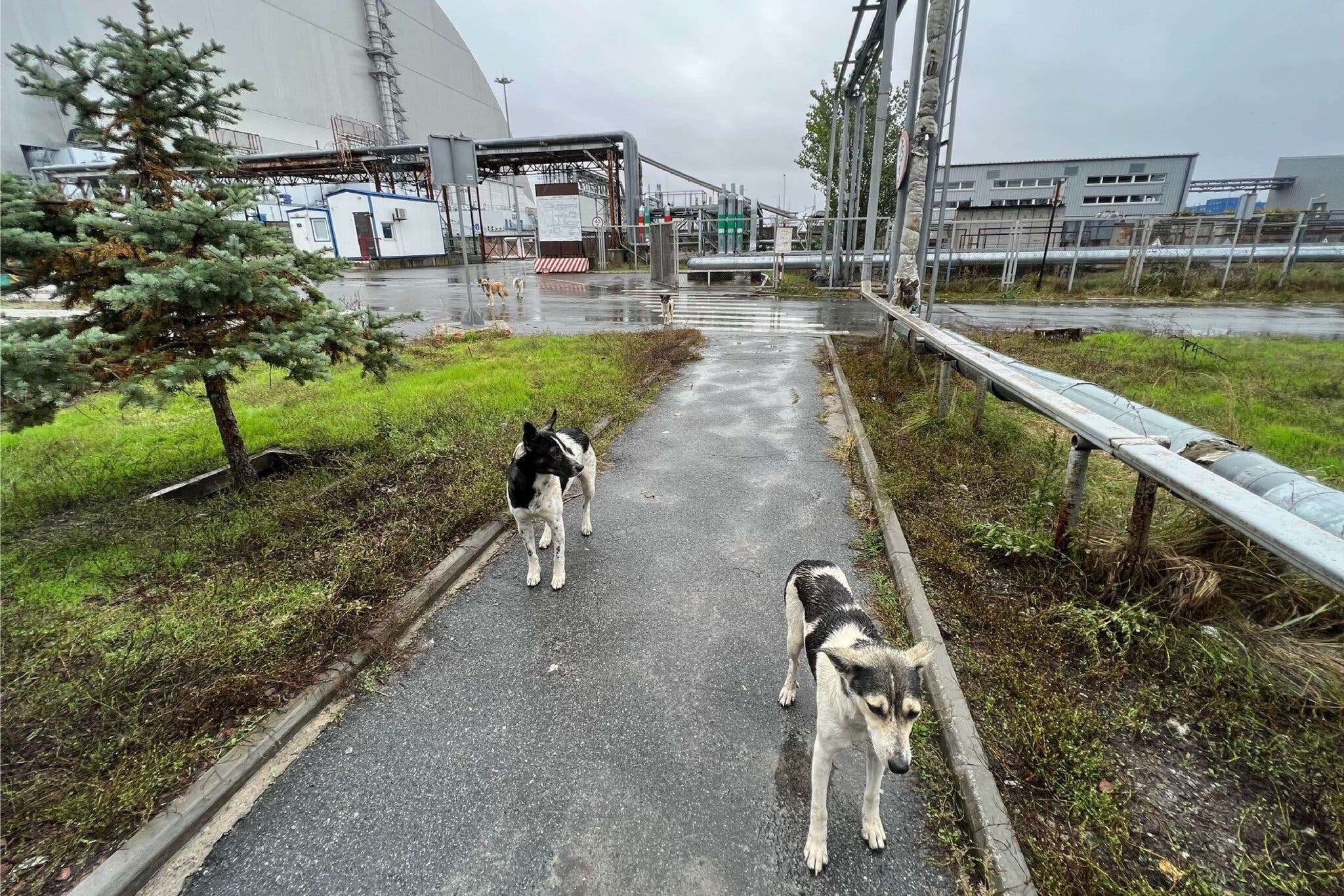
Genetic Bottlenecks and Isolation in Chernobyl Dogs
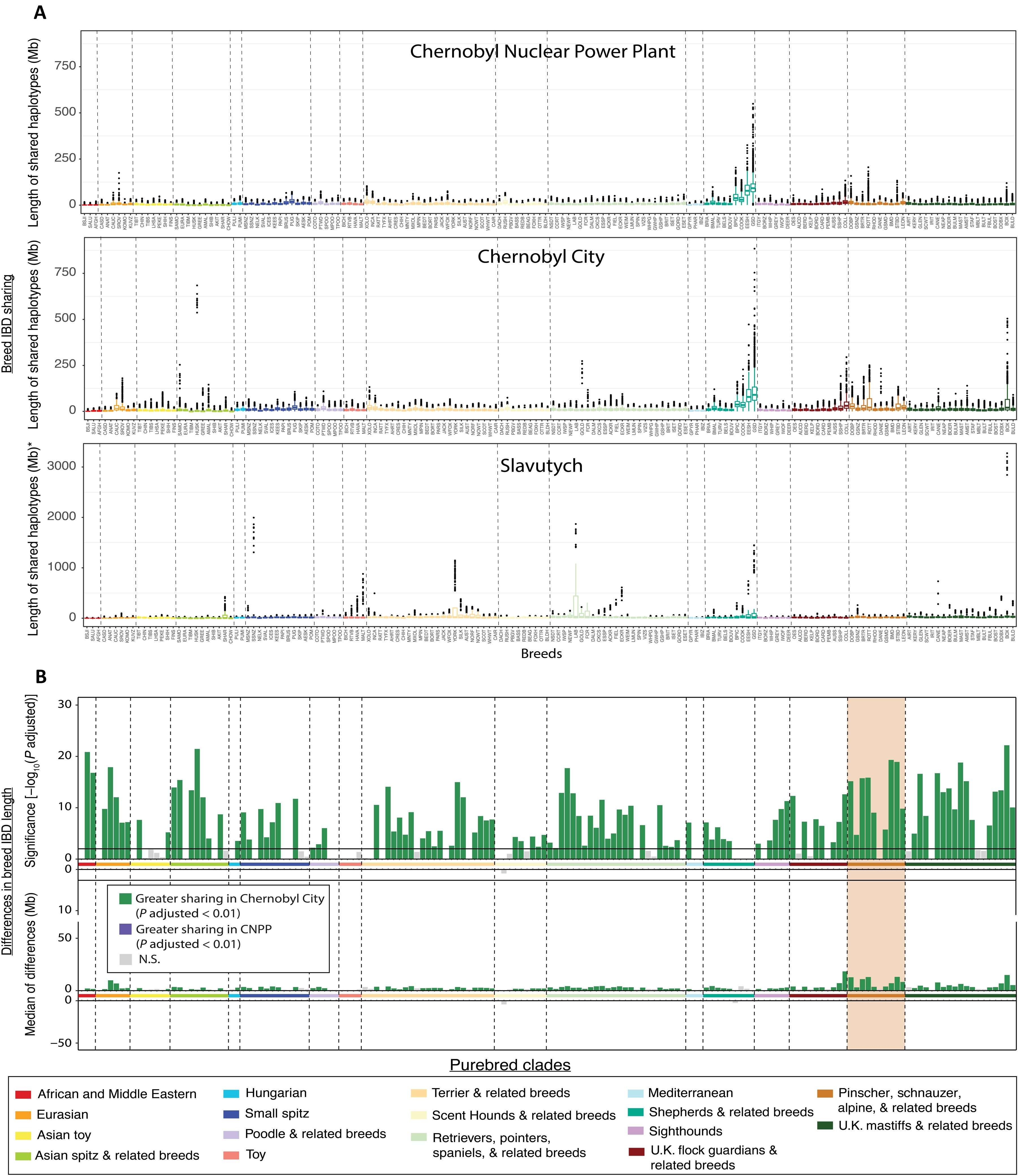
The research uncovered reduced genetic diversity among dogs from areas closest to the Chernobyl facility, consistent with small, isolated populations and limited mating networks. The team’s principal component analysis (PCA) underscored clear genetic clustering separating CEZ dogs from those inhabiting Chernobyl city and adjacent communities.
This segregation likely contributes to the stabilization of radiation-resistant traits, although scientists caution that inbreeding may undermine overall health and resistance to diseases.
Signs of Swift Evolutionary Adaptations
In addition to genes involved in DNA repair, the study found elevated variants in genes like MC1R, connected to melanin synthesis—possibly explaining observations of darker coats in these dogs. Similar melanin-related adaptations have been documented in frogs from the region, believed to help reduce oxidative stress caused by radiation.
Positive evolutionary signals were also detected in genes related to immune system regulation (TLR4) and managing oxidative damage (SOD2). These genetic shifts suggest that the dogs' immune functions are evolving to withstand the persistent environmental radiation and contamination.
Broader Implications of the Findings
By charting these genetic distinctions, scientists gain insight into how animals adapt to extreme and hazardous habitats. According to Dr. Elaine Ostrander, the CEZ offers “a rare chance to observe evolutionary processes in real time.”
This research also has potential applications for human health, as the same genetic pathways identified in these animals are implicated in cancer risk and responses to radiation therapy. Upcoming studies with larger samples over extended periods will explore if these genetic variations correspond to tangible improvements in longevity and reproductive success.
- Categories:
- Science









0 comments
Sign in to Comment