
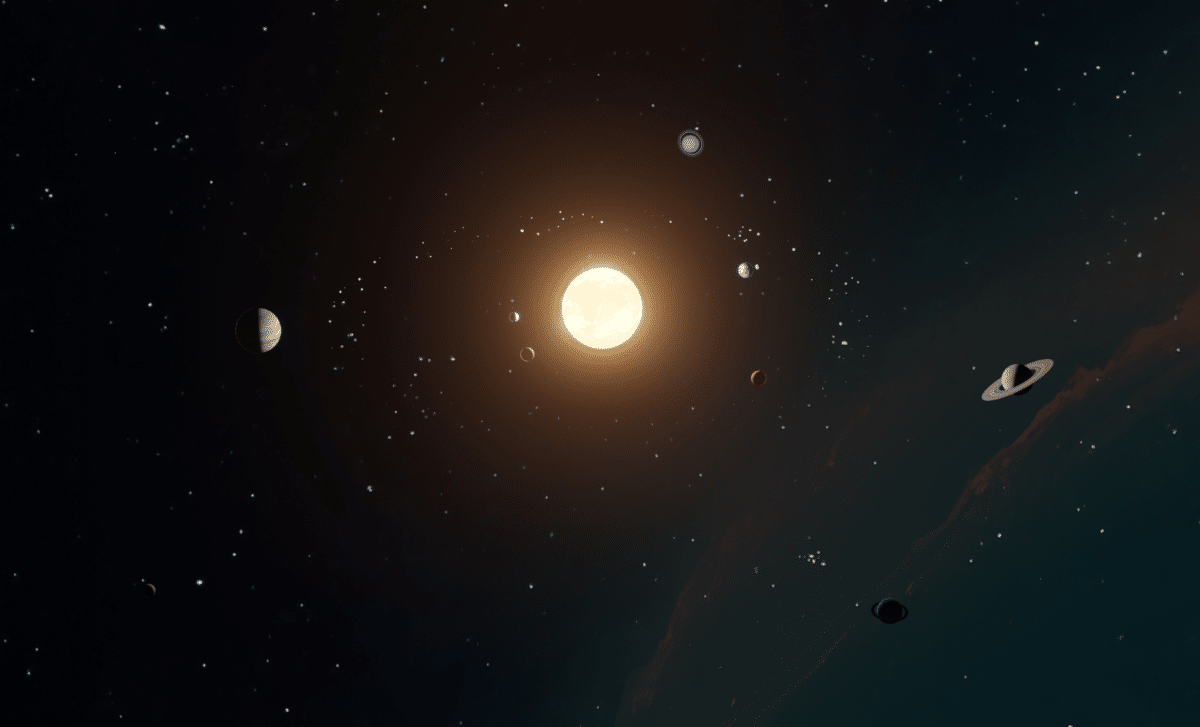
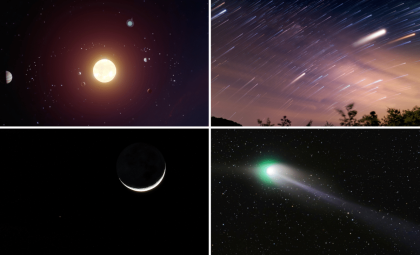
Throughout July, multiple planets make appearances at varying times, granting sky enthusiasts the chance to spot Venus, Jupiter, Mars, Saturn, and Mercury from our vantage point on Earth. The newest guide from EarthSky outlines the dynamic changes in these celestial bodies’ positions, offering a fresh perspective of our solar system over the month.
Dynamic Planetary Alignments Throughout July
The locations of visible planets shift noticeably across July, providing new opportunities for observers to trace their journeys in the night sky. EarthSky details how the brightest planets’ placements evolve as they orbit the Sun. This guide highlights where to find planets like Venus, Jupiter, Mars, Saturn, and Mercury, alongside other notable celestial happenings.
Planet visibility hinges on their relative positions to both the Sun and Earth, leading some to shine after sunset and others before sunrise. Tools like Stellarium Online and sky charts assist observers in pinpointing optimal viewing moments tailored to their location.

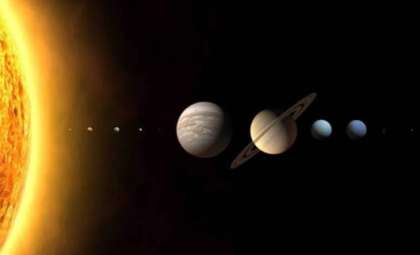
Rather than clustering together, planets progress individually along the ecliptic, the Sun’s apparent yearly path across the sky. These orbital shifts create an ever-evolving planetary display for both amateur stargazers and astronomy buffs in July.
Venus Ascends While Jupiter Slips Into Sunset
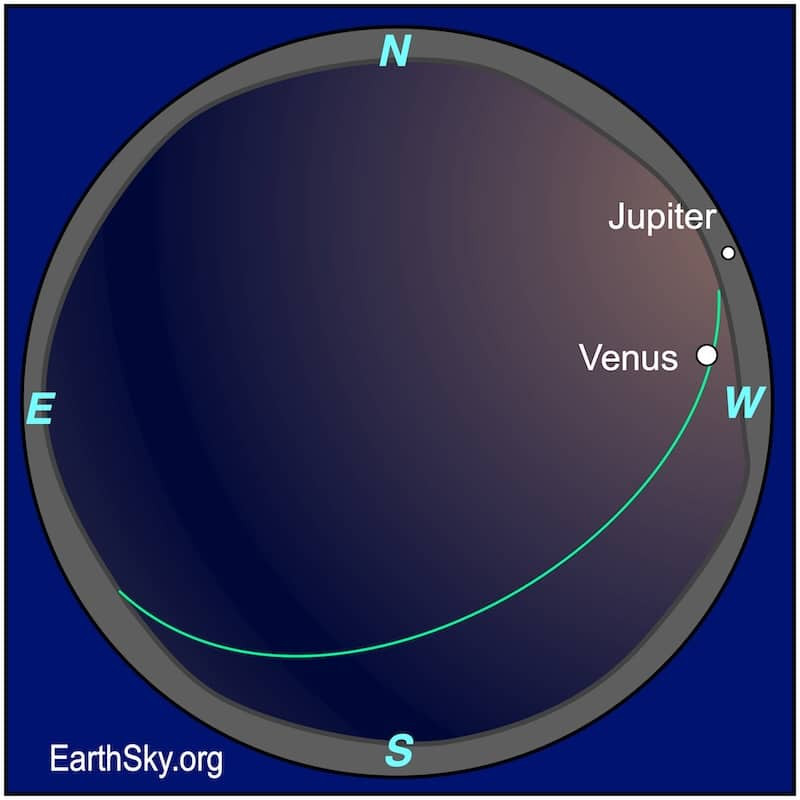
This month, Venus stands out prominently after dark, steadily rising higher each night as it nears its farthest angular distance from the Sun, known as greatest elongation, anticipated on August 14-15, 2026.
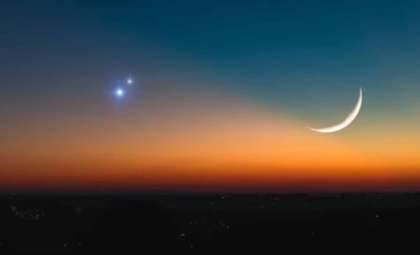
Due to its dazzling brilliance, Venus remains one of the most easily recognizable planets. Just after twilight, it can be spotted as a steady, bright object westward—and it does not twinkle like a star.
Conversely, Jupiter gradually descends into the fading light of sunset throughout July, moving behind the Sun from Earth’s perspective on July 29. It will reappear in the morning sky come September.
The diverging paths of Venus and Jupiter demonstrate how swiftly the night sky’s planetary lineup can change within a few weeks. Even the brightest planets may temporarily vanish when positioned near the Sun.
Mars and Saturn Offer Morning Viewing Opportunities
The predawn hours reveal a different planetary lineup, featuring Mars and Saturn as prime targets for early risers. In early July, Mars appears low in the eastern sky at dawn, traveling between the Pleiades star cluster and the bright star Aldebaran.
As days pass, Mars climbs higher before sunrise, continuing its journey through the starry backdrop. Its distinct reddish hue helps distinguish it from surrounding stars, serving as an unmistakable beacon in the morning twilight.
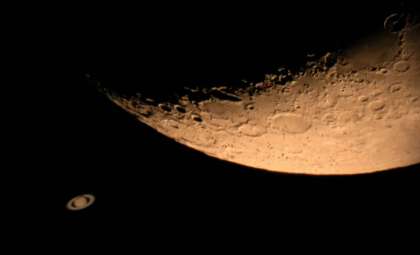
Saturn is also visible just before sunrise, positioned farther south. Though much more distant than Mars, its large size and reflective ring system make it a shining target especially for telescope users and seasoned observers.
Together, these planets showcase the diversity of our solar system—from the rocky terrain of Mars to Saturn’s vast gas giant presence—allowing viewers to watch their motion across constellations in early mornings.
Mercury’s Brief Dawn Appearance
The final planet in July’s celestial lineup is Mercury, which becomes visible near the eastern horizon during the last two mornings of the month. Mercury’s proximity to the Sun means it’s tricky to catch, usually visible only in brief intervals around sunrise or sunset.
Late July finds Mercury positioned below Mars as the red planet rises higher in the sky. Mercury will reach its greatest angular separation from the Sun on August 2, offering an improved chance to spot this elusive planet.
Observing Mercury requires a clear eastern horizon and minimal light pollution. Its low elevation demands precise timing before daylight brightness overwhelms the view, even for experienced skywatchers.
Mercury’s appearance underscores how orbital speeds influence the rapidly shifting planetary scenes we observe from Earth.
The Moon and Meteor Showers Enhance July’s Night Sky
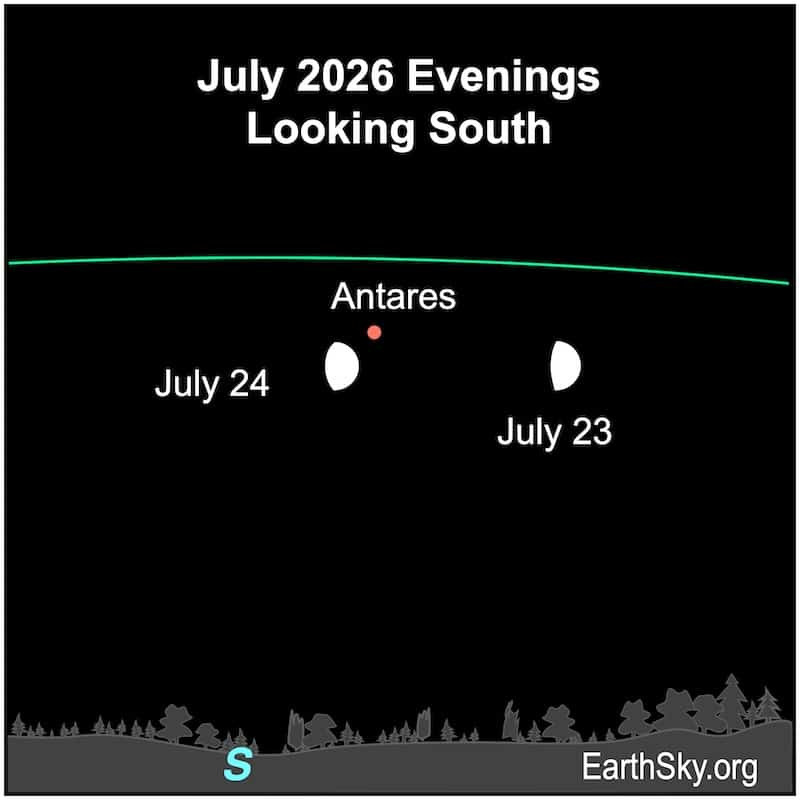
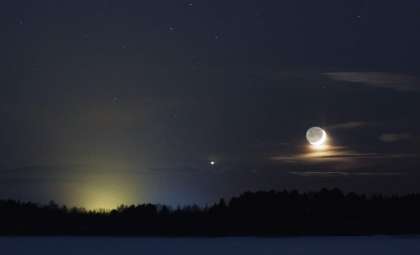
July offers more than just planets to gaze upon. EarthSky notes the Moon will pass near several prominent stars, including Spica, the brightest star in Virgo, and Antares, the red supergiant in Scorpius.
The first quarter Moon phase on July 21, 2026 provides a perfect moment for lunar watching, as the half-illuminated lunar surface reveals striking shadows across craters and mountains.
Later in the month, the Delta Aquariid meteor shower lights up the pre-dawn hours. This meteor event peaks during moonless conditions, providing a prime opportunity for meteor spotting in the days before the shower’s height.
July’s blend of planets, lunar phases, stars, and meteors offers diverse celestial sights for all. Many events can be enjoyed without specialized gear, though binoculars or telescopes will enhance the experience.
- Categories:
- News

0 comments
Sign in to Comment