
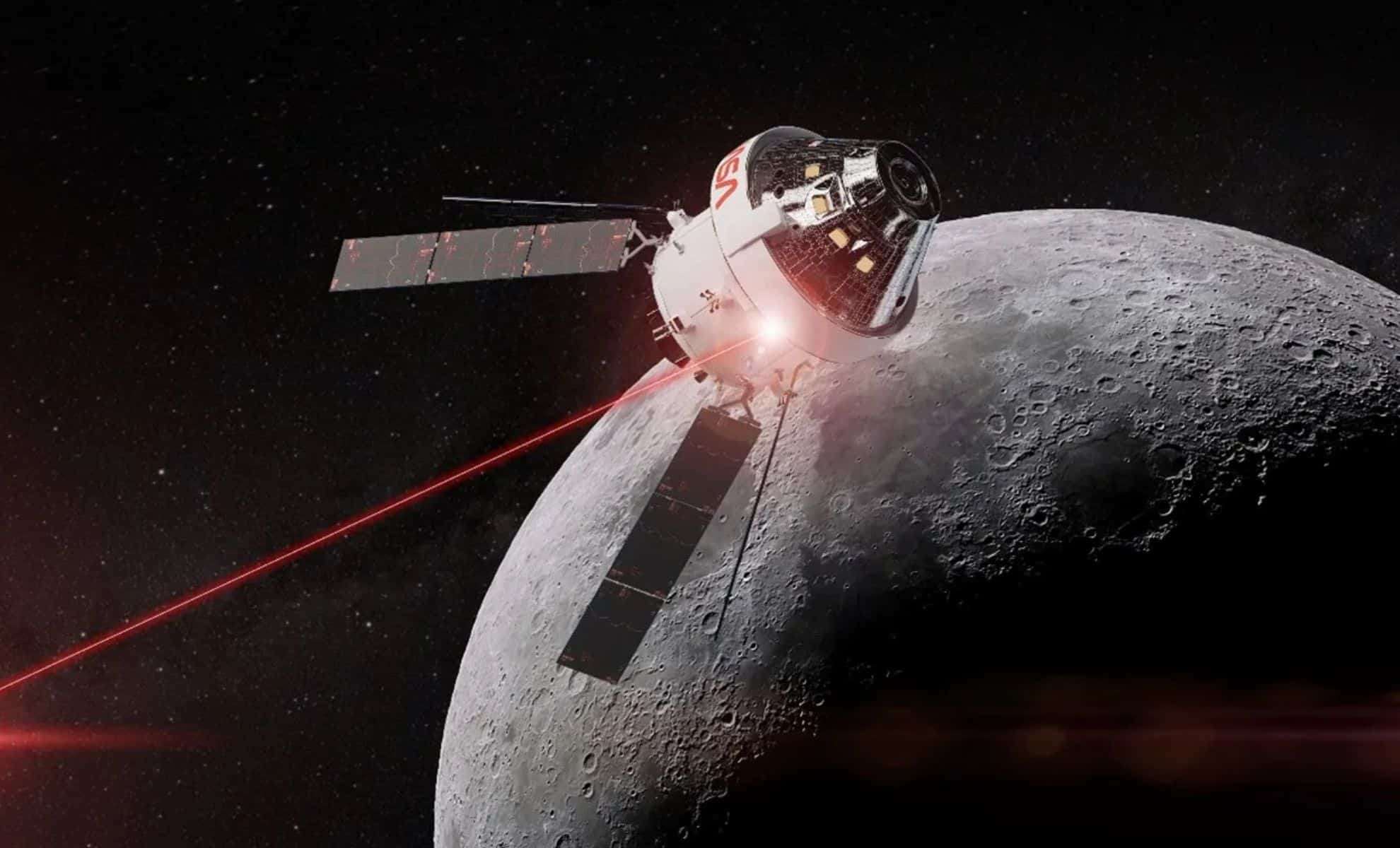
NASA is gearing up for its Artemis II mission with an innovative test involving lunar laser communication, marking a significant breakthrough in space communication technology. In partnership with The Australian National University (ANU), this mission will trial laser-based data transfer from the Moon, as highlighted in a recent NASA report. This experiment hints at the future of fast and efficient information exchange in deep space by replacing traditional radio signals with laser technology.
While NASA has previously demonstrated laser communication in space, Artemis II will pioneer the first crewed deployment of this technology beyond low Earth orbit. By leveraging optical signals instead of radio waves, data transmission rates could become 10 to 100 times faster, which would transform astronaut communication and scientific data sharing from lunar missions and other distant destinations.
Laser Communication: The Future over Radio Waves
The collaboration between NASA and ANU aims to validate laser communication capabilities in a genuine space environment. Space agencies usually rely on radio frequency transmissions, but optical communication uses infrared lasers to deliver faster, higher-capacity data streams. This advancement will enable NASA to send large volumes of diverse content, such as HD video, images, detailed flight protocols, and voice messages, across millions of kilometers at unprecedented speeds.

In preparation, engineers at NASA’s Glenn Research Center have designed an affordable laser transceiver constructed from commercial components. This strategy could dramatically reduce costs and increase accessibility for future mission communication hardware. Jennifer Downey, co-lead of the RealTOR project at Glenn, remarked, “Australia’s lunar experiment offers a chance to demonstrate the reliability, cost-efficiency, and scalability of the deep space receiver developed by Glenn. It’s a crucial leap towards building sustainable exploration technologies using commercial parts.”
The implications of this technological progress extend beyond Artemis II, potentially reshaping communications for missions to the Moon, Mars, and farther into the solar system.

ANU’s Contribution to the Laser Communication Trial
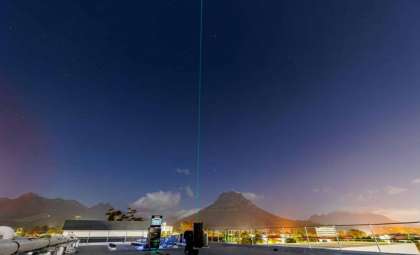
ANU plays an instrumental role in the deployment of NASA’s laser communication technology. Researchers at the Mount Stromlo Observatory will attempt to capture data signals dispatched from the Orion spacecraft as it orbits the Moon. Although not a primary Artemis II ground site, this facility will serve as a pivotal testing ground for NASA’s new laser transceiver system.
This international collaboration underscores the importance of global partnerships in advancing space exploration capabilities. Leveraging ANU’s expertise in optical ground station infrastructure allows NASA to evaluate commercial-based laser systems’ performance in lunar conditions, generating knowledge that can influence future missions to the Moon and Mars.
Affordable, Scalable Deep Space Data Links
A key benefit of this project is the commitment to using readily available commercial hardware in the laser communication setup. This approach promises to lower expenses while maintaining high-quality performance, a necessity as NASA focuses on sustainable, long-term exploration initiatives. The RealTOR project’s use of commercial-off-the-shelf parts illustrates a shift toward more economical and versatile communication solutions for space missions.
Marie Piasecki, manager for NASA's Space Communications and Navigation (SCaN) Program, emphasized, “Partnering with ANU to expand commercial laser communications worldwide will highlight how this cutting-edge technology supports NASA’s networks and exploratory missions deep into space.” This integration also opens potential avenues for private industry to develop space communication infrastructure, promoting the commercialization of space technologies.
From Lunar Missions to Mars: A Communication Revolution
NASA’s Artemis program extends beyond lunar exploration—it's paving the way for a continuous human presence on the Moon and future crewed voyages to Mars. Laser communication will be fundamental to these ambitions, enabling fast, dependable transmission of vast data volumes between space travelers and Earth. The Artemis II laser communication test may represent a pivotal advancement in establishing robust communication links for longer, more distant missions within the solar system.
Ongoing developments in laser communication technology not only enhance interplanetary exploration capabilities but may also spur innovations benefiting Earth-based applications, including improved satellite communications and accelerated scientific data sharing. The progress made during Artemis II promises broad impacts spanning space ventures and terrestrial industries alike.
- Categories:
- News







0 comments
Sign in to Comment