
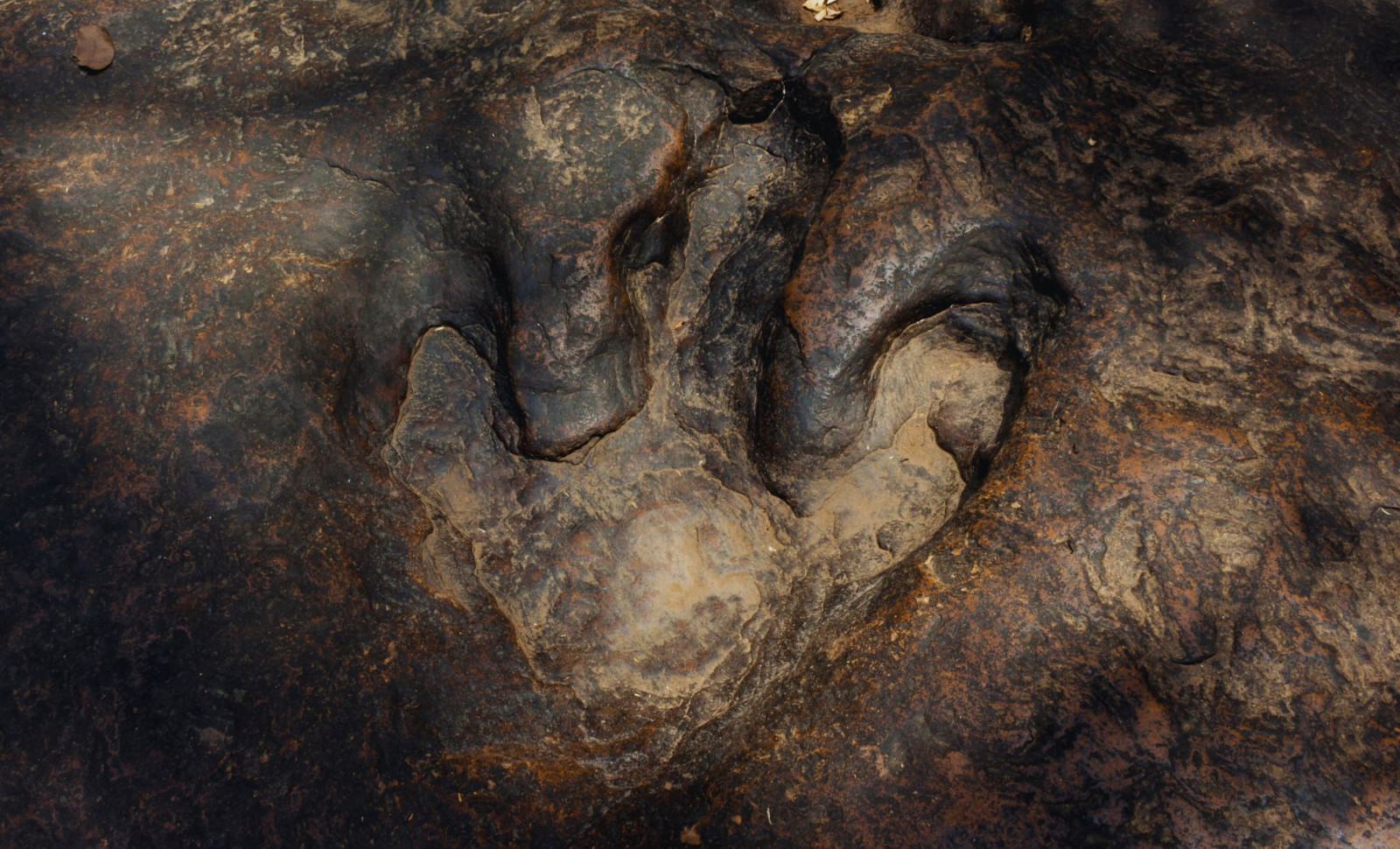
Unearthed in 1998 in Wyoming's Black Hills, a dinosaur foot has now been verified as the largest known specimen of its kind, as revealed in a recent scientific study. Stretching almost a meter in diameter, this fossil belonged to a brachiosaur, among the heaviest terrestrial creatures to have roamed the Earth.
Nicknamed “Bigfoot”, the fossil was discovered by a research group from the University of Kansas. Having rested in storage for years, the specimen was recently analyzed with state-of-the-art technology, uncovering its true scale and significance. The findings establish both the record size of the foot and a greater understanding of the species' geographic distribution.
3D Technology Validates Record Size
Measuring almost 3.3 feet in width, the fossilized foot belongs to a brachiosaur, a gigantic, long-necked dinosaur famous for its towering stature. Although bones from even larger sauropods have been found in regions like Australia and Argentina, those fossils lacked complete feet and were fragmented.

According to the American Museum of Natural History, researchers employed 3D scanning to acquire detailed measurements, confirming this specimen as the largest recorded foot fossil. The dinosaur likely stood around 4 meters tall at the hips, with an even greater full height due to its elongated neck. The scientists stated, “This creature was undoubtedly among the most colossal to have ever roamed North America.”
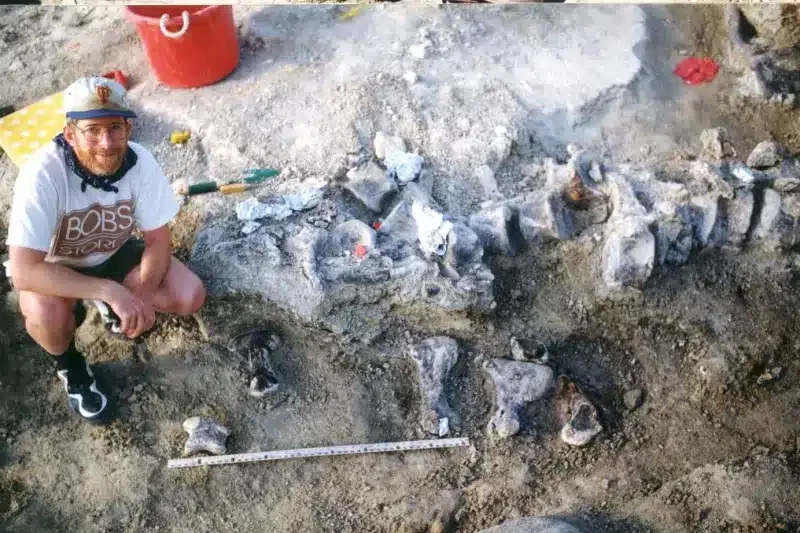
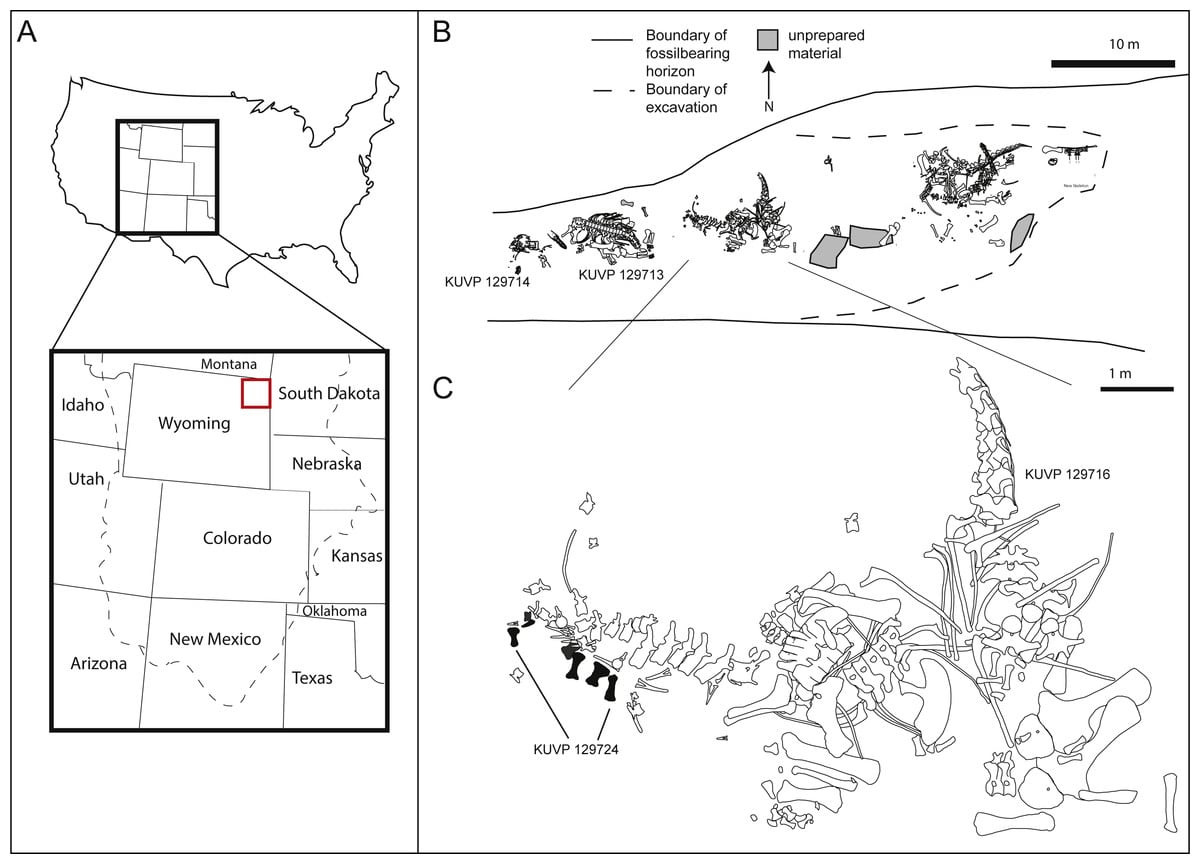
The fossil was found alongside tail bones from a Camarasaurus, another type of sauropod, which helped date the fossil layer and provide environmental context. Its size and preservation make this an unmatched treasure for understanding Jurassic-era giant reptiles.
Expanding the Known Habitat of Brachiosaurs
The renewed study of “Bigfoot” not only confirmed its size but also shed light on the widespread presence of brachiosaurs in prehistoric North America. Previously believed to inhabit limited regions, this discovery suggests they ranged extensively from eastern Utah to northwestern Wyoming.
“This is surprising,” said Emanuel Tschopp of the American Museum of Natural History’s Division of Paleontology. “Many other sauropod dinosaurs seem to have inhabited smaller areas during that time.”
This broader territorial range challenges earlier beliefs and enriches our understanding of sauropod ecology during the Late Jurassic period. It implies brachiosaurs thrived across more varied habitats than previously recognized.
Two Decades Later: A Fossil Reassessment
The current study was spearheaded by Anthony Maltese, who was part of the original discovery team and is now based at the Rocky Mountain Dinosaur Resource Center in Colorado. His involvement bridges the initial find to today's advanced analytical techniques.
Published in the journal PeerJ, this research confirmed the fossil’s record-setting status. The international collaboration used cutting-edge imaging methods to review the specimen, providing refined measurements and a clearer classification. These tools were unavailable during the original excavation, highlighting the progress made over the past 20 years.
- Categories:
- News





0 comments
Sign in to Comment