
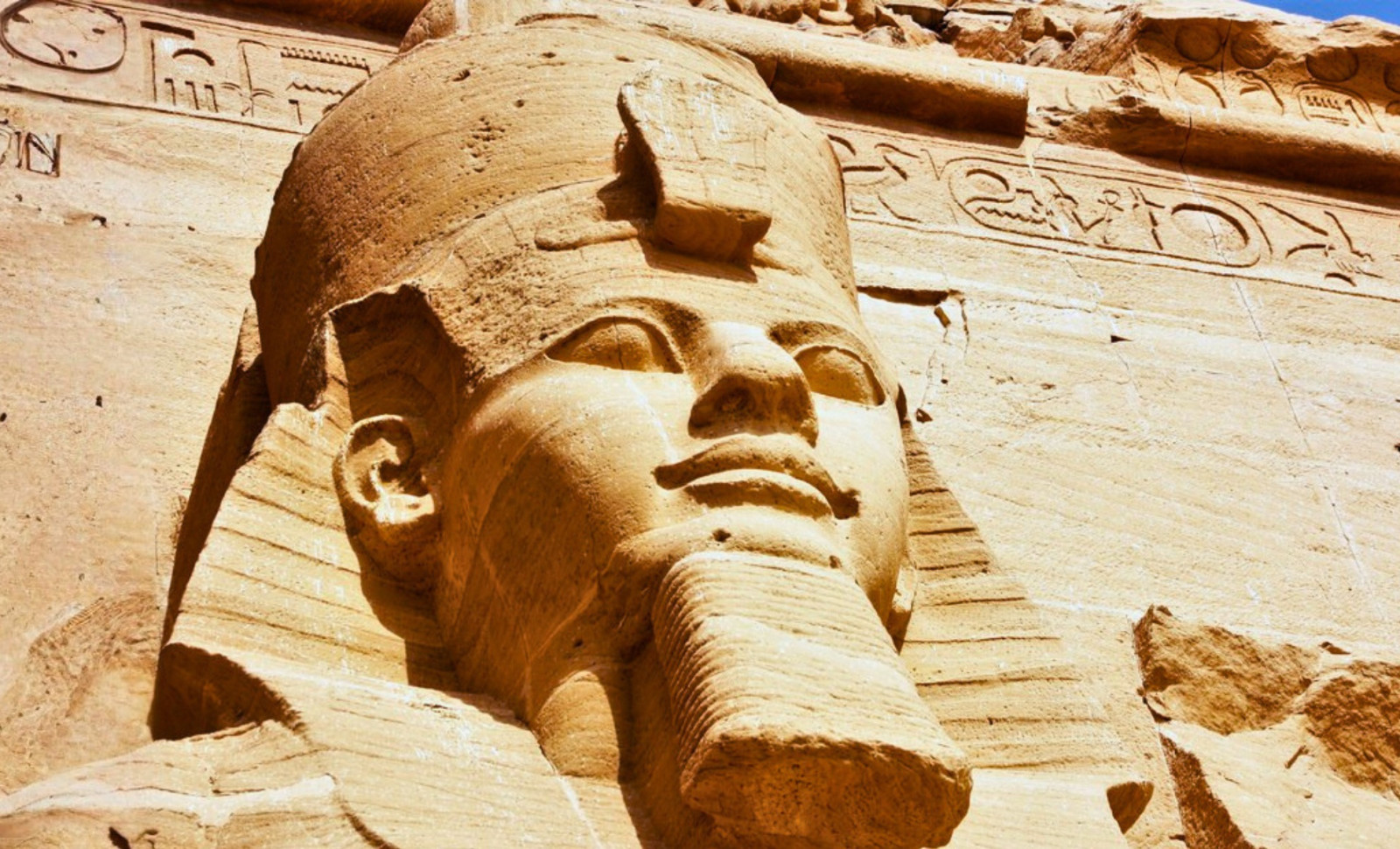
In January 2024, archaeologists uncovered a limestone torso measuring over 12 feet long, lying face-down in the soil at El Ashmunein, roughly 150 miles south of Cairo. This hefty, porous stone was located just above the Nile’s water table, casting doubt on its preservation once exposed. Further excavation was necessary before confirming a hopeful breakthrough: the top portion of a massive royal statue had emerged nearly a century after its lower half was originally discovered on site.
The discovery was made by a collaboration between Egyptian and American archaeologists, co-led by Yvona Trnka-Amrhein, a classics scholar at the University of Colorado Boulder, and Basem Gehad from Egypt’s Ministry of Tourism and Antiquities. Upon carefully clearing sediment from the statue’s facial features, they found the limestone surprisingly well preserved, with remnants of blue and yellow pigments still visible.
“We suspected it might exist here, but locating it was entirely unanticipated,” noted Trnka-Amrhein.

The Missing Lower Portion Had Remained Since 1930
Back in 1930, German archaeologist Günther Roeder uncovered the seated statue’s bottom half at the same location. For 94 years, this fragment rested alone without any found companion. A British Museum team’s work in the 1980s failed to reveal the statue’s upper section, which remained hidden beneath the surface.
Once the new fragment was carefully preserved, officials from the Egyptian Ministry of Tourism and Antiquities measured it at approximately 3.8 meters in height. Experts linked this upper block to the earlier lower piece through matching limestone composition and the hieroglyphic inscriptions on the back pillar bearing the same royal titles of Ramesses II found on Roeder’s fragment. Joined together, the colossal statue would have stood nearly 23 feet tall.
The sculpture depicts the pharaoh seated, adorned with the double crown and royal headdress featuring a protective cobra on the forehead. Using ground-penetrating radar, the team scanned deep beneath sediment layers to locate the buried block, as reported by Reuters.
Significance of Hermopolis and the Monument
The ancient city of Hermopolis Magna, known as Khmunu to its ancient inhabitants, was an important spiritual center in Upper Egypt located about 150 miles south of Cairo. Its chief god was Thoth, the deity overseeing knowledge and scribes. A German archaeological team working between 1929 and 1939 uncovered parts of Thoth’s temple here, along with remnants from Hellenistic and Roman eras. The colossal statue likely once stood at the entrance of this temple complex.
Ramesses II ruled from circa 1279 to 1213 BCE as the third pharaoh of Egypt’s 19th Dynasty. His reign spanned 66 years, during which he commissioned vast architectural projects including temples at Abu Simbel, Abydos, and the grand hall at Karnak. Hermopolis occupied a strategic midpoint between Egypt’s northern and southern capitals, and erecting such a colossal statue there aligned with Ramesses II’s approach of using monumental structures to assert imperial dominance.
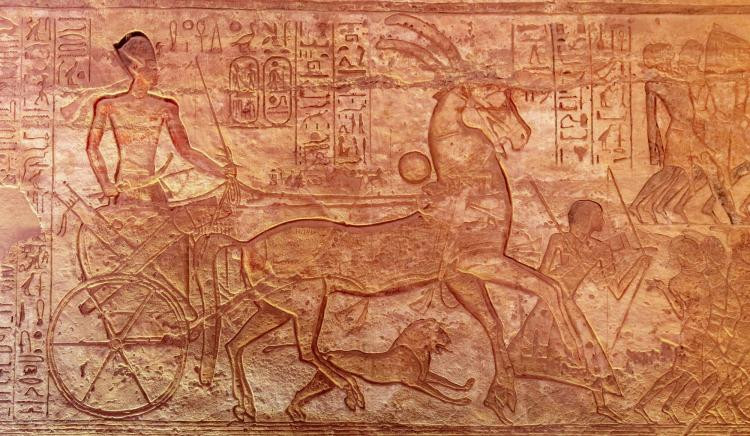
The exact reason for the statue’s fall remains uncertain, though some scholars suggest seismic events in late antiquity as a cause. Following its collapse, the Nile’s rising waters helped conceal the monument. The Aswan Low Dam’s construction in 1902 elevated the local water table, exposing submerged limestone to potentially damaging conditions.
Trnka-Amrhein emphasized the fragility of limestone near the Nile, explaining that exposure can degrade it into almost sandy material. Due to this vulnerability, the limestone fragments required an entire year of meticulous conservation before reuniting the two sections.
Insights from Pigments, Future Excavations, and Lingering Mysteries
The upper fragment revealed more than anticipated. The blue and yellow pigments are undergoing scientific analysis, with soil trapped under the paint examined alongside the pigments themselves. Gehad, specializing in Greco-Roman-era artworks, is spearheading this research. Results detailing the statue’s original appearance or specific dating are pending.
By early 2026, plans are underway to physically join the two statue parts, which will then measure about seven meters in height. Rather than relocating the statue to Cairo, the Egyptian Ministry of Tourism and Antiquities prefers to keep it displayed at its discovery site.

A second archaeological campaign is slated for late 2026, targeting the temple of Thoth’s northern sector where foundations of the pylon once flanked by the statue may be found.
Colossal statues like this often appeared in pairs, suggesting another might remain buried nearby. Engineers are currently evaluating drainage solutions to preserve the statue from groundwater damage over time. Trnka-Amrhein revealed that a detailed academic publication about the discovery is forthcoming, with more University of Colorado Boulder graduate students joining future research efforts.
- Categories:
- News






0 comments
Sign in to Comment