
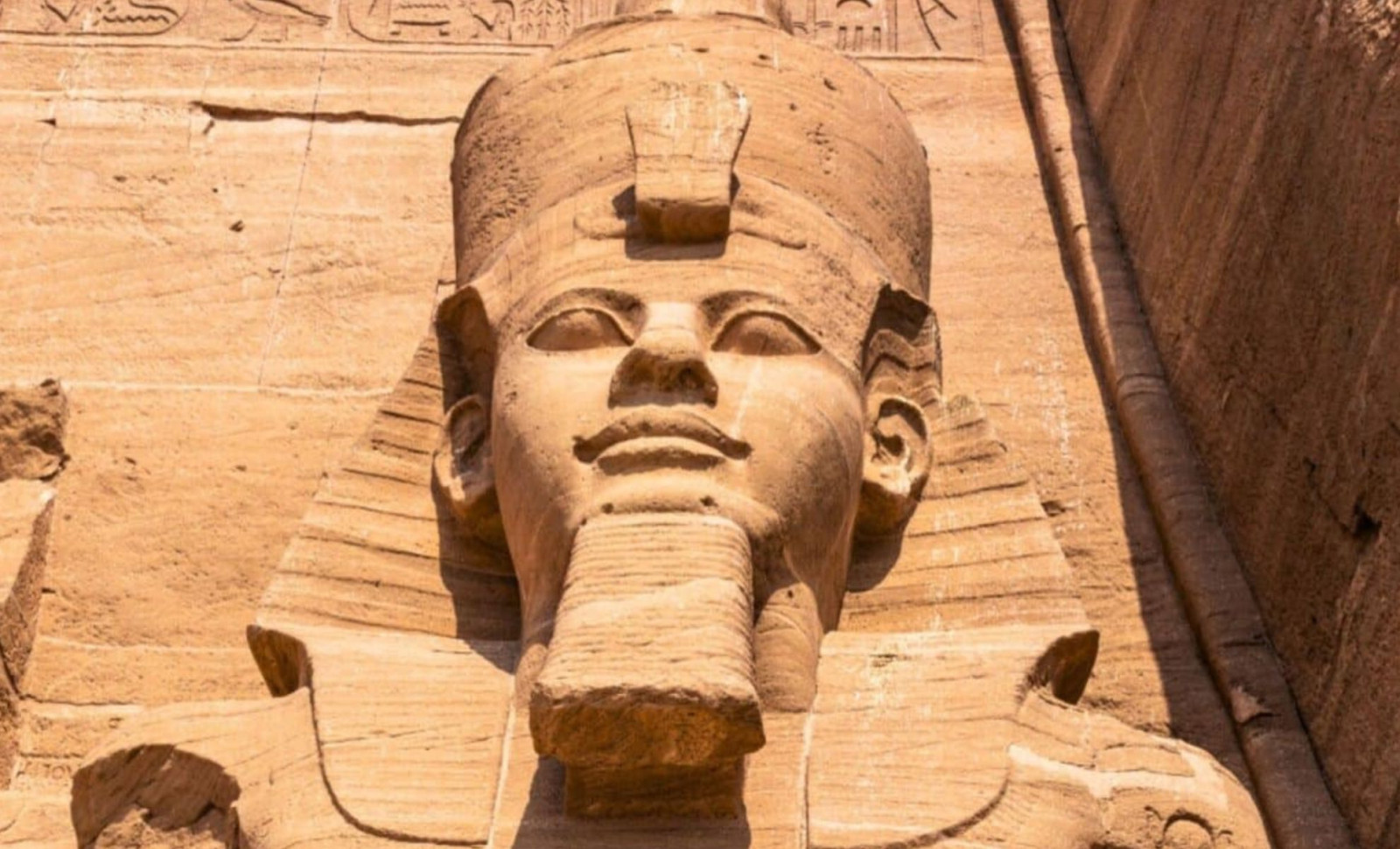
El Ashmunein's quiet terrain has recently unveiled the remaining piece of a royal enigma that stayed broken for almost a century. Buried deep under the layers of Middle Egypt, the upper torso of a colossal limestone statue was discovered, concluding an archaeological quest initiated in the 1930s. This reunification of the ancient monument is a landmark achievement for the Egyptian-American team excavating at the site of ancient Hermopolis Magna.
Previously, only the statue's lower half was accessible to researchers, standing alone as a reminder of a lost temple complex. The recent recognition of the corresponding upper section enables the first full restoration of the statue in over a thousand years, offering scholars an unprecedented glimpse into the scale of royal symbolism deployed during the 19th Dynasty.
Extracting and preserving the limestone piece posed major challenges and formed a key part of the 2025 mission objectives. Now, entering early 2026, both parts are being carefully joined to rebuild the figure to its original height of approximately seven meters. This joint effort serves as an important example of contemporary conservation applied to New Kingdom relics unearthed in difficult environmental conditions.

Solving a 94-Year-Old Archaeological Mystery
The upper fragment was identified through detailed matching of the limestone material and corroborating inscriptions on the back pillar. Researchers highlighted that the hieroglyphic carvings on the newly found torso reveal various titles of Ramesses II, which closely mirror those on the lower section uncovered by German excavator Günther Roeder in 1930. These inscriptions were meant to exalt the pharaoh and affirm the empire’s strength during the 13th century BC.
According to the Egyptian Ministry of Tourism and Antiquities, the upper block stands about 3.8 meters tall. Its recovery required specialized excavation methods to shield the fragile stone from the Nile Valley's fluctuating water table. A Reuters article covering the discovery details the use of sophisticated ground-penetrating radar to pinpoint the torso buried beneath successive sediment layers.
Transporting a limestone block weighing several tons demanded a year-long restoration and stabilization period. Professionals at the University of Colorado contributed significantly to the documentation, ensuring the porous rock’s structure remained intact before assembly. This conservation phase also uncovered remnants of ancient pigments, suggesting the statue was once richly decorated, consistent with the painted style of New Kingdom royal sculptures.
A Monumental Legacy in the City of Wisdom
The discovery of such a grand statue at Hermopolis Magna emphasizes the city's strategic stature in the 19th Dynasty. While Ramesses the Great is famed for monumental works at Luxor and Abu Simbel, his development initiatives in Middle Egypt highlight a strategic drive to consolidate both administrative and religious hubs across the Nile. Hermopolis served as a crucial link between the empire’s northern and southern territories.
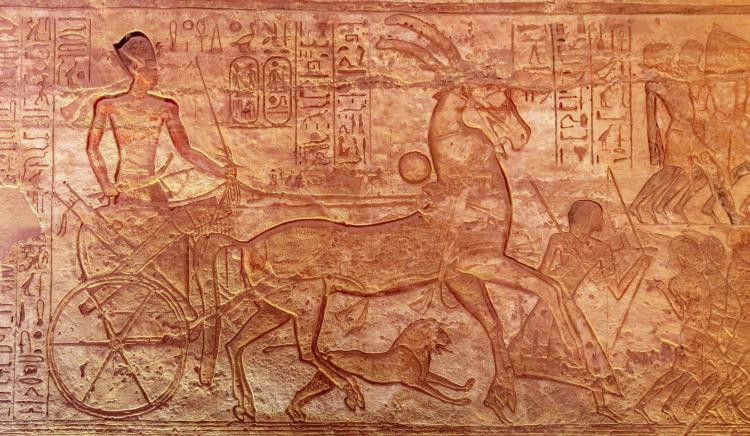
Historical records note Ramesses II’s extraordinary 66-year reign, marked by prolific architectural projects following the Battle of Kadesh. The El Ashmunein statue likely stood as an imposing part of an entrance to a temple dedicated to Thoth. Unfortunately, centuries of medieval stone harvesting have obliterated much of the surrounding structure. Britannica’s accounts describe the site’s later prominence as a Greco-Roman provincial center, frequently reusing older Pharaonic stones.
This discovery highlights the benefits of applying modern technology to reevaluate early 20th-century excavation sites. Past expeditions often lacked the tools to detect deeply buried artifacts or focused on different areas of the site. The 2024 find indicates additional significant fragments of the Hermopolis temple may still lie hidden beneath the agricultural lands, safeguarded by the same silt that concealed the pharaoh’s torso for decades.
Protecting Heritage Against Nile’s Fluctuations
Restoring the statue has sparked important conversations on how to best manage archaeological treasures in Middle Egypt. The Ministry of Tourism and Antiquities is advocating for in-situ preservation, choosing to showcase monuments in their original locations rather than transferring them to centralized museums in Cairo. This approach aims to balance tourism across regions and maintain the cultural context.

Research plans for 2026 and 2027 include a comprehensive survey around the statue to locate the foundations of the temple pylon it once flanked. This effort faces challenges due to local farming practices and the management of groundwater, a factor accelerating limestone decay. Engineers are exploring drainage solutions to safeguard the restored statue from future environmental damage.
The cause of the statue’s collapse remains under investigation, with specialists examining seismic activity records from late antiquity. A second excavation phase will begin in late 2026, targeting the northern section of the temple of Thoth to discover related colossal statues, which traditionally stood in pairs at temple entrances.
- Categories:
- News




0 comments
Sign in to Comment