
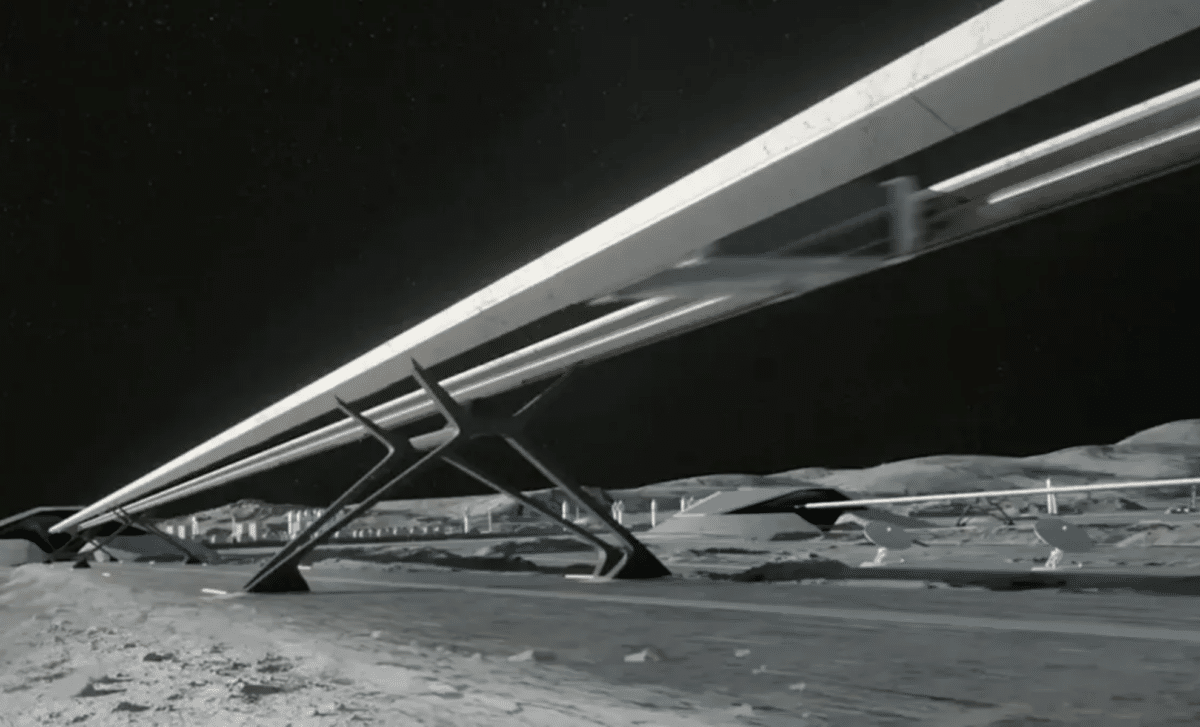
Once a concept rooted in futuristic visions of space colonization, electromagnetic launch systems on the Moon are evolving into a tangible technology shaping humanity’s extraterrestrial ambitions. Known as lunar mass drivers, these electromagnetic catapults have the potential to propel objects into space without traditional rocket fuel, drawing increased attention not only for their commercial viability but also for their strategic impact on control over cislunar space.
The Role of Lunar Mass Drivers in Future Space Logistics
An elegantly straightforward idea underpins the lunar mass driver: using electromagnetic forces to rapidly accelerate freight along a guideway before releasing it into space. The Moon’s weak gravity and absence of atmosphere enable this method to drastically lower the cost of delivering equipment, materials, and fabricated goods from the lunar surface to orbital destinations.
The origins trace back to physicist Gerard O’Neill in the 1970s, who imagined launch systems that would ferry lunar resources to orbit as raw inputs for space habitats and large projects. Thanks to recent progress in robotics, energy technology, and lunar missions, this vision edges toward reality. A large-scale mass driver could establish a continuous distribution hub connecting the Moon, Earth orbit, and beyond, shifting away from Earth-dependent launches. This could transform space development economics and enable ventures currently considered too costly.

Commercial Interest Driving Mass Driver Development
The prospect of mass driver technology is capturing the attention of leading space enterprises. SpaceX and its CEO Elon Musk have mentioned setting up lunar industries capable of manufacturing satellites locally, which would require effective ways to launch payloads off the Moon.
Using traditional rockets repeatedly for this task presents significant challenges in terms of cost and complexity. Conversely, a robust electromagnetic launcher could offer high-frequency, economical launches to orbit. As detailed by Space.com, even smaller firms focusing on electromagnetic launch tech are contributing to a growing belief that such systems will be key infrastructure for future lunar economies. Deployment in the 2030s could underpin heavy logistics for mining, manufacturing, exploration, and large-scale space enterprises.
Security Implications of Lunar Electromagnetic Launchers
The technologies that promise commercial benefits also raise serious security concerns. The American Foreign Policy Council recently emphasized that these mass drivers exemplify dual-use technologies capable of both peaceful and military functions.
As their report outlines, “This duality places mass drivers in a uniquely sensitive strategic position,” underscoring their dual nature as economic enablers and potential military tools. The ability to accelerate payloads across space trajectories could extend to weapons deployment. Because lunar activities occur outside much of Earth’s current monitoring, detecting launches and identifying their objectives would become increasingly complex. This risk fuels ongoing debates about how emerging space policies should govern technologies with intertwined civilian and defense roles.
- Categories:
- News










0 comments
Sign in to Comment