
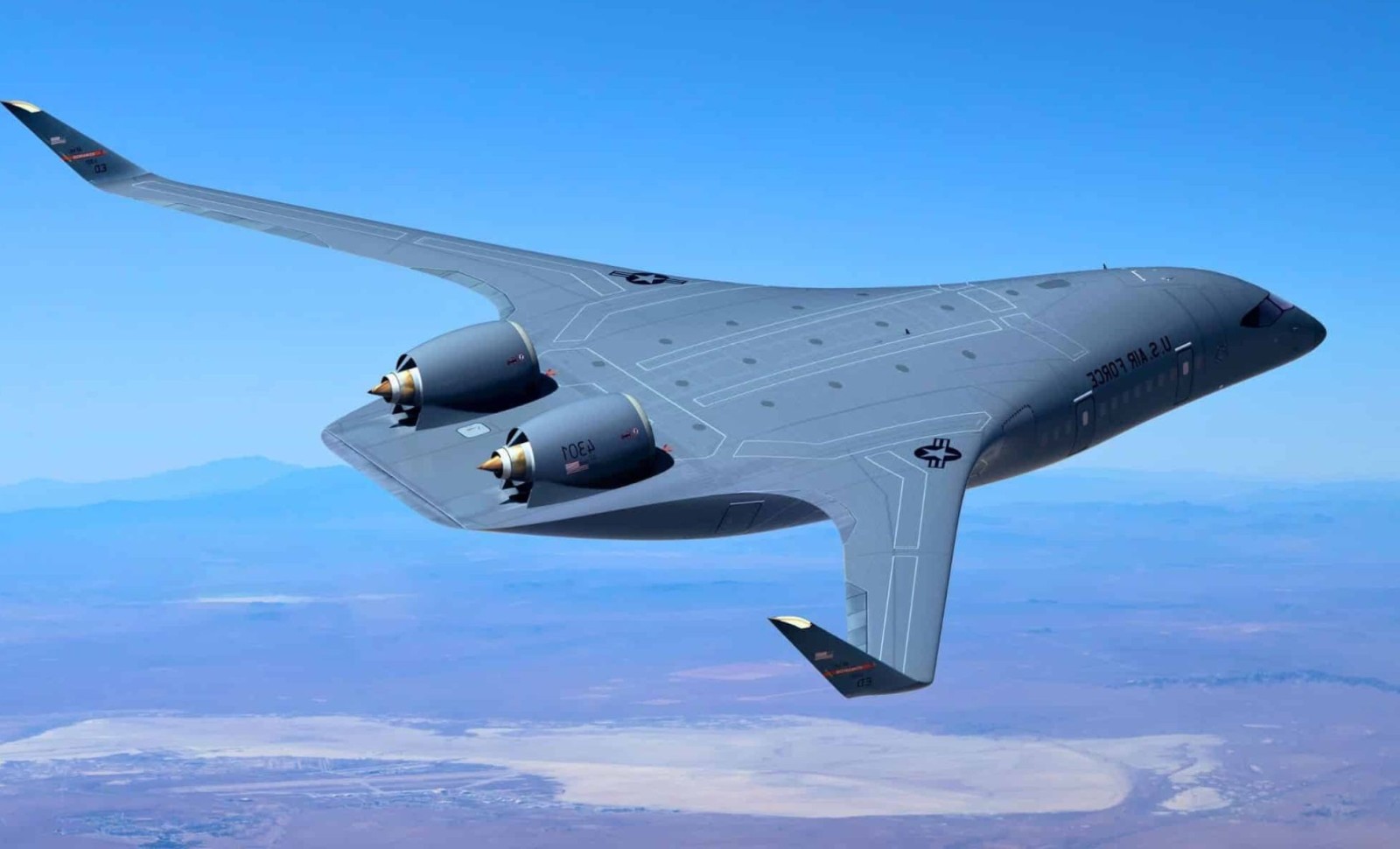
China is progressing with the development of an advanced heavy transport aircraft that might surpass existing global strategic airlifters, signaling a significant evolution in Beijing’s international military strategy. Initial design information from defense-affiliated research reveals an aircraft engineered for intercontinental missions, high payload capacity, and a novel design distinct from Cold War-era Western models like the U.S. Air Force’s C-5M Super Galaxy.
Currently in the concept phase, the aircraft features an innovative blended wing body (BWB) layout—a cutting-edge aerodynamic design that merges wings and fuselage into one unified lifting surface. While Western aerospace sectors and NASA have explored this configuration in a technical analysis, China may be poised to deploy it as a fully operational military plane first.
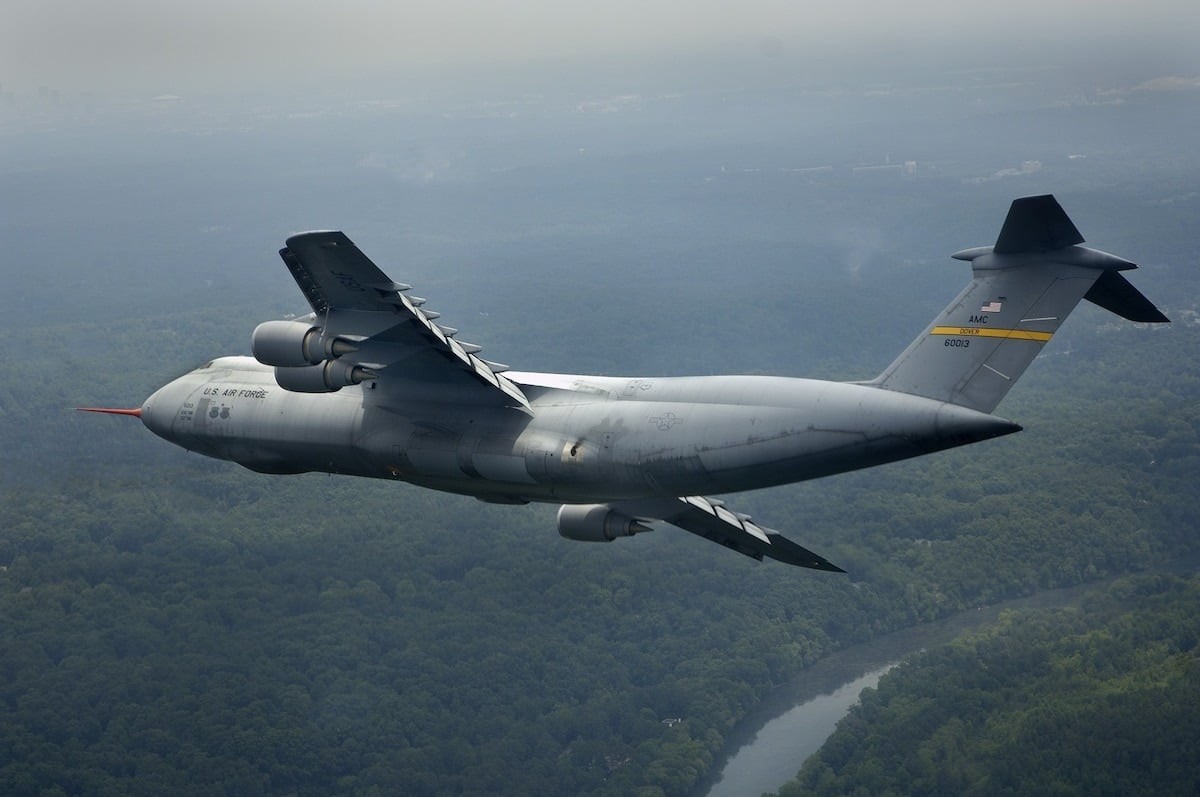
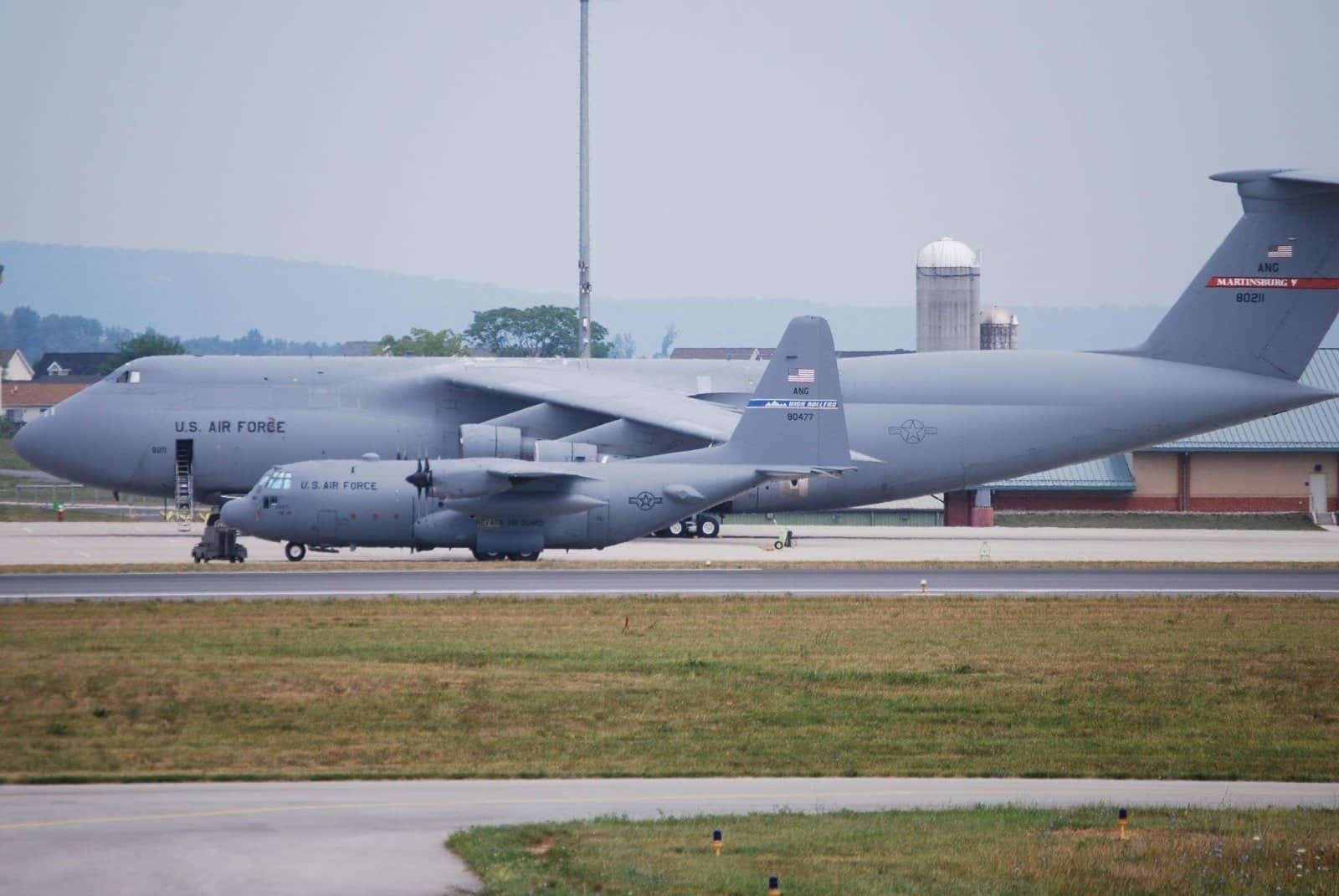
Designed to transport 120 metric tons across ranges exceeding 6,500 kilometers without needing to refuel, this aircraft outmatches the C-5M, which has a top range near 4,150 kilometers. Its estimated maximum takeoff weight of around 470 tons ranks it among the largest cargo planes ever produced—comparable in heft to the Ukrainian An-124 Ruslan, but tailored for modern global deployment.

Revolutionary Airframe and Extended Capabilities
The project distinguishes itself with its break from traditional airliner shapes. The BWB design, extensively studied in NASA research, offers superior lift-to-drag efficiency, increased internal space, and enhanced structural strength. Although Western aerospace firms have considered this design for years, China’s defense engineering bodies appear ready to bring the concept to operational fruition.
According to 2025 coverage by Military Watch Magazine, key design features include V-tail stabilizers, extended wingtips, and engines mounted atop the wing to optimize aerodynamic performance and minimize turbulence. These refinements contribute to a “Pareto-optimized configuration” that Chinese designers claim balances multiple competing performance requirements.
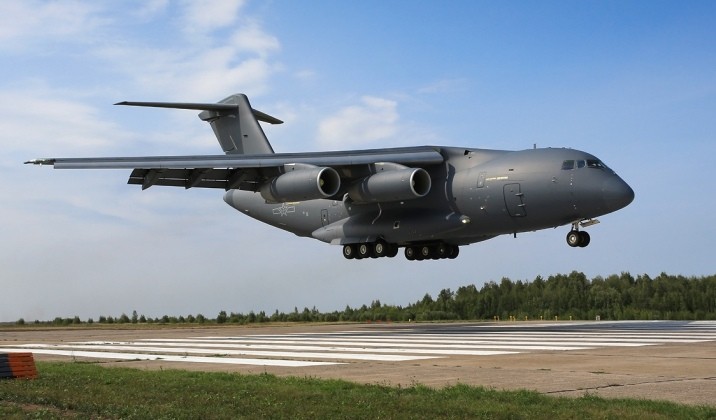
For comparison, China’s current Y-20 model carries up to 66 metric tons for roughly 4,500 kilometers. The C-5M can transport more weight—up to 127 tons—but with much shorter range. The newly proposed aircraft nearly doubles the Y-20’s payload while extending its flight range by approximately 40%, redefining the capabilities of strategic air transport.
Its ability to operate from semi-prepared runways as short as 2,600 meters enhances tactical adaptability, enabling operations in remote and potentially contested fields.
Enhancing Strategic Mobility Beyond Asia
This new heavy-lift plane emerges amid China’s ambition to project power on a global scale. Its long range would enable deployment of armored hardware, command units, or humanitarian supplies to distant areas including East Africa, Central Asia, and Pacific island groups—without dependency on foreign air bases.
This aircraft aligns with China’s wider geopolitical vision, highlighted in RBC Ukraine’s report. Ukrainian analysts noted the transport’s potential to support China’s Djibouti base, bolster Pacific territorial influence, and assist Belt and Road partners during emergencies.
While the current Y-20 provided humanitarian deliveries to Europe in the COVID-19 crisis, this new design—with roughly twice the capacity and extended range—could revolutionize China’s global reach in military and soft power operations. Analysts speculate future variants might serve as aerial refueling tankers, early warning platforms, or mobile command hubs, vastly increasing their operational utility.
As noted by Military Watch, this modular adaptability echoes the Y-20’s evolution into tanker versions (YY-20) and airborne warning aircraft (KJ-3000), supporting emerging strategic systems including the H-20 stealth bomber and next-generation fighter jets.
Development Ongoing but No Prototype Yet
No physical prototype of the BWB cargo plane has been publicly unveiled. However, comprehensive design models and technical investigations indicate active development within China’s aerospace sector. Key organizations like AVIC and the Aerodynamics Research Institute are likely spearheading the program, though official recognition remains limited.
China’s global airlift ambitions are still constrained by a relative shortage of overseas military bases compared to the extensive U.S. forward logistics presence, potentially limiting immediate large-scale operations.
Nonetheless, some experts suggest a dual-use version akin to the An-124’s civilian variant could enhance production efficiency and cost-effectiveness. This approach might open export possibilities, possibly including sales to Russia if their domestic efforts face delays.
- Categories:
- News










0 comments
Sign in to Comment