
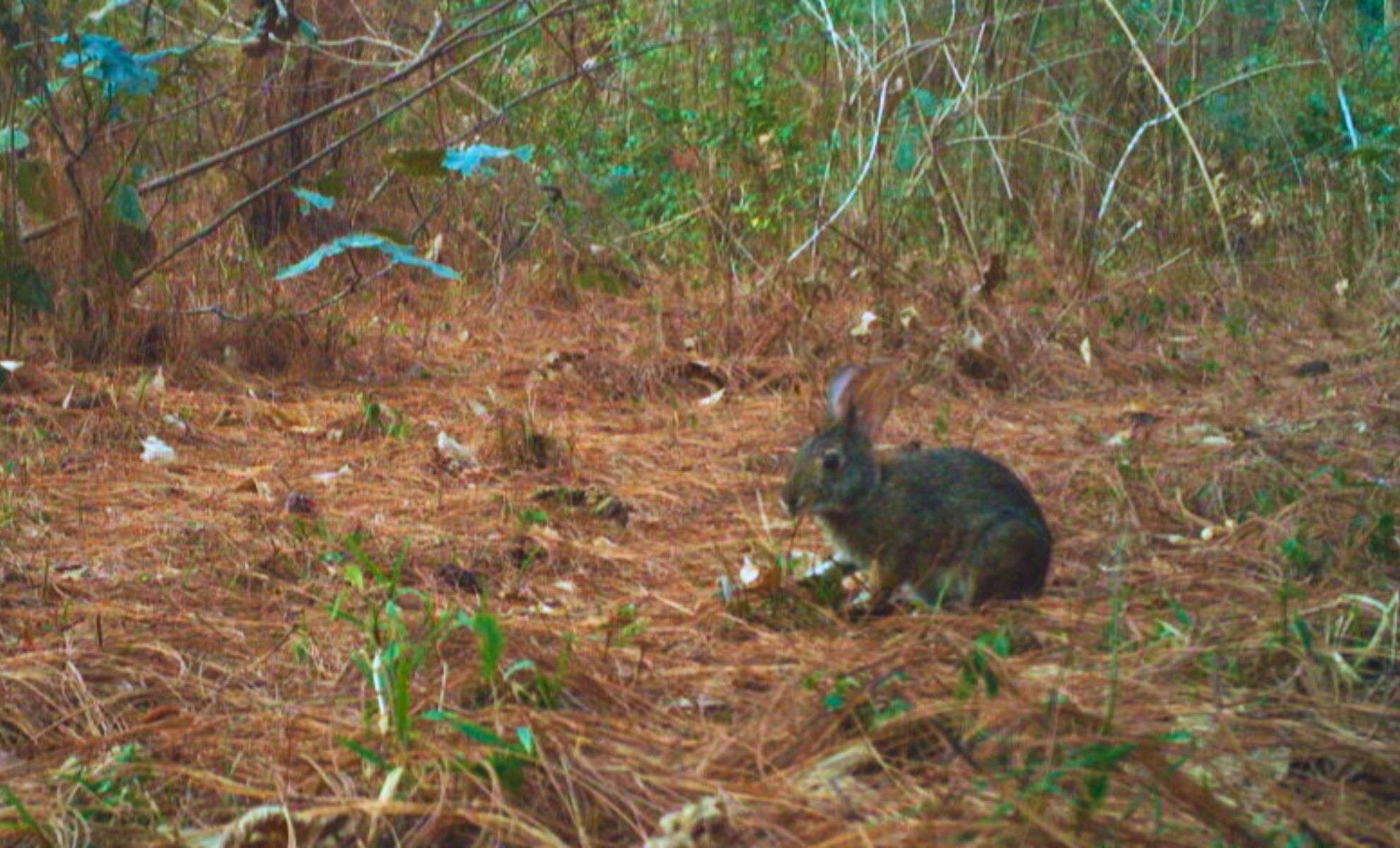
In May 2024, while monitoring jaguars in southern Mexico, wildlife researchers captured surprising footage of a small rabbit crossing their camera trap. Initially mistaken for a common local species, close examination revealed it was the rare Omiltemi cottontail rabbit, thought to have vanished over a century ago. This remarkable sighting, documented by the Re:wild’s Search for Lost Species initiative, has reignited interest in this once-lost animal and conservation efforts in the region.
A Century of Mystery
The last official record of the Omiltemi cottontail was in 1904, when American naturalist Edward William Nelson first described it. Since then, the rabbit faded into obscurity, surrounded by lore and uncertainty.
Biologists Fernando Ruiz-Gutiérrez and José Alberto Almazán-Catalán, initially focused on jaguar research using camera traps, were stunned by the rabbit’s unexpected appearance.

“When we saw the footage, we were really puzzled. It was so small compared to the other animals,” recalls Ruiz-Gutiérrez. Initially, they thought it might be another species entirely.
The Return of a Rare Rabbit
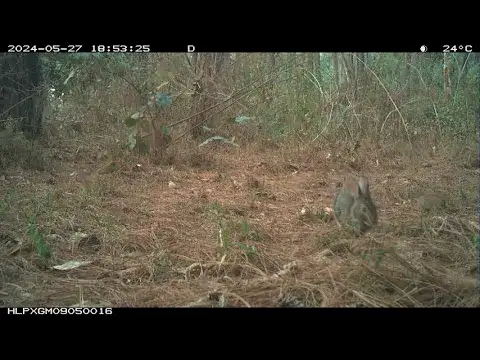
The captured video revealed a young rabbit with classic gray-brown fur and a small black tail, unlike any other known local species, igniting excitement within the research team.
“We really weren’t sure what to make of it at first,” says Ruiz-Gutiérrez. “It caught our attention because, when you compare it to other animals in the footage, the rabbit is tiny.”
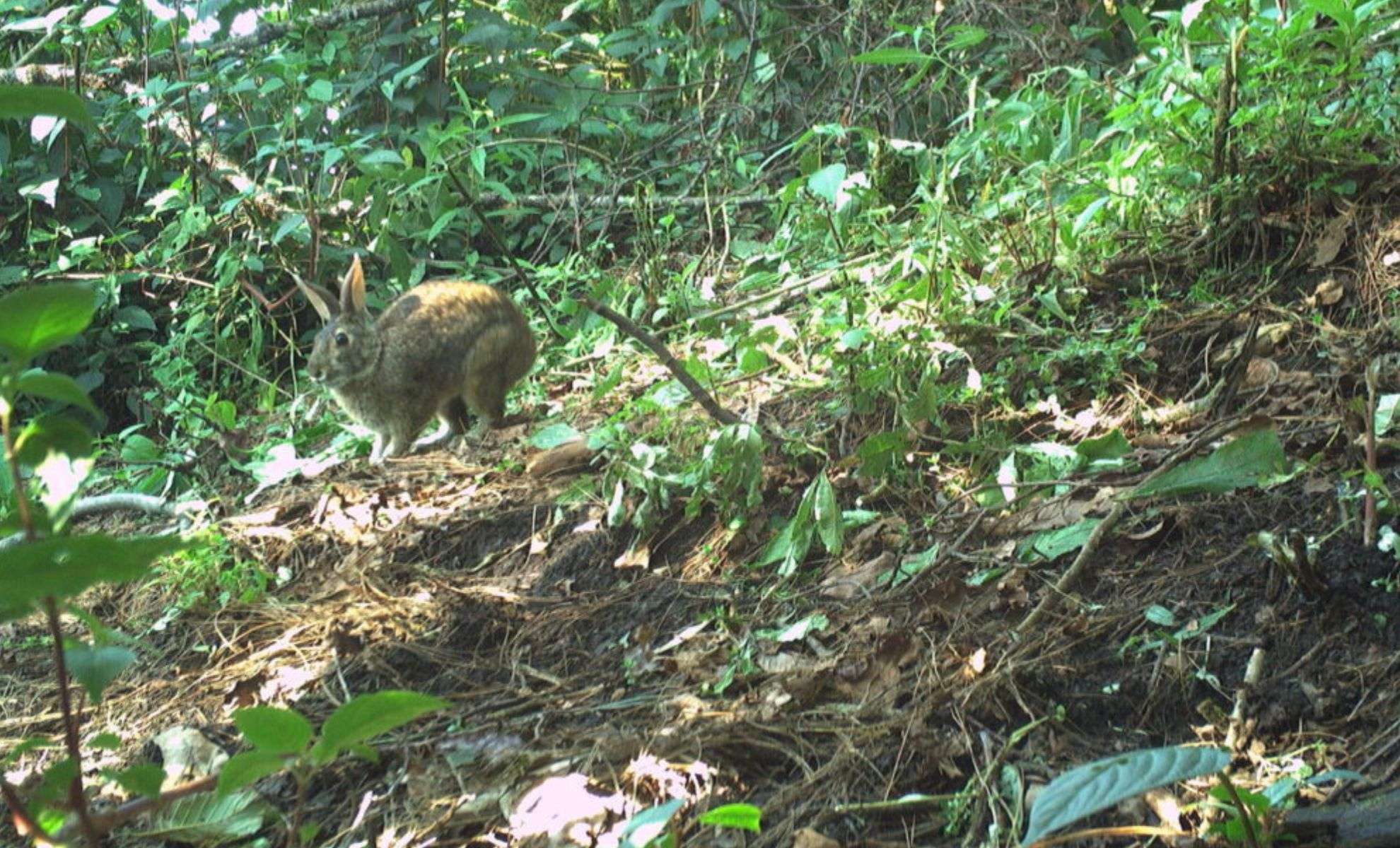
After consulting old archives and specialists, the team confirmed the animal as the rare Omiltemi cottontail. Ecologist Almazán-Catalán, who previously captured a mature specimen, validated these findings.
Challenges for Survival
Although the rediscovery brought hope, the Omiltemi cottontail faces a precarious future. Its habitat remains small and is continuously endangered by deforestation driven by wildfires and farming expansion.
“The areas where we’ve found the rabbit are remote, with dense forests and pristine rivers, but they’re not completely safe,” says Ruiz-Gutiérrez.
Recognized as endangered by Mexico’s environment agency (Semarnat), this species inhabits mainly high-elevation coniferous forests. Its solitary and nocturnal habits add to its vulnerability. “Most images captured were of single individuals,” Ruiz-Gutiérrez highlights. The combination of small population size and specific habitat needs presents a significant conservation challenge.
While there have been promising sightings outside the previously known range, scientists are still determining effective strategies to protect such a rare species spread over a vast territory.
“We need to get more people involved, more specialists in this area,” says Almazán-Catalán. “There’s still so much to learn.”
Partnering with Local Communities
An unexpected dimension emerged from interactions with local inhabitants in Guerrero, where researchers found that some locals had been harvesting the Omiltemi cottontail for food without realizing its rarity. “The community wasn’t to blame; they simply didn’t know it was Sylvilagus insonus,” explains Almazán-Catalán. These accidental contributions have even aided the research when locals provided specimens upon request.
Now, conservation teams are collaborating closely with residents to promote awareness of the rabbit’s endangered status. “It’s not about blaming anyone, but about finding ways to work together,” notes Almazán-Catalán. Efforts focus on preserving the habitat, mitigating human impacts, and engaging farmers and local communities in safeguarding this unique species.
- Categories:
- News











0 comments
Sign in to Comment