
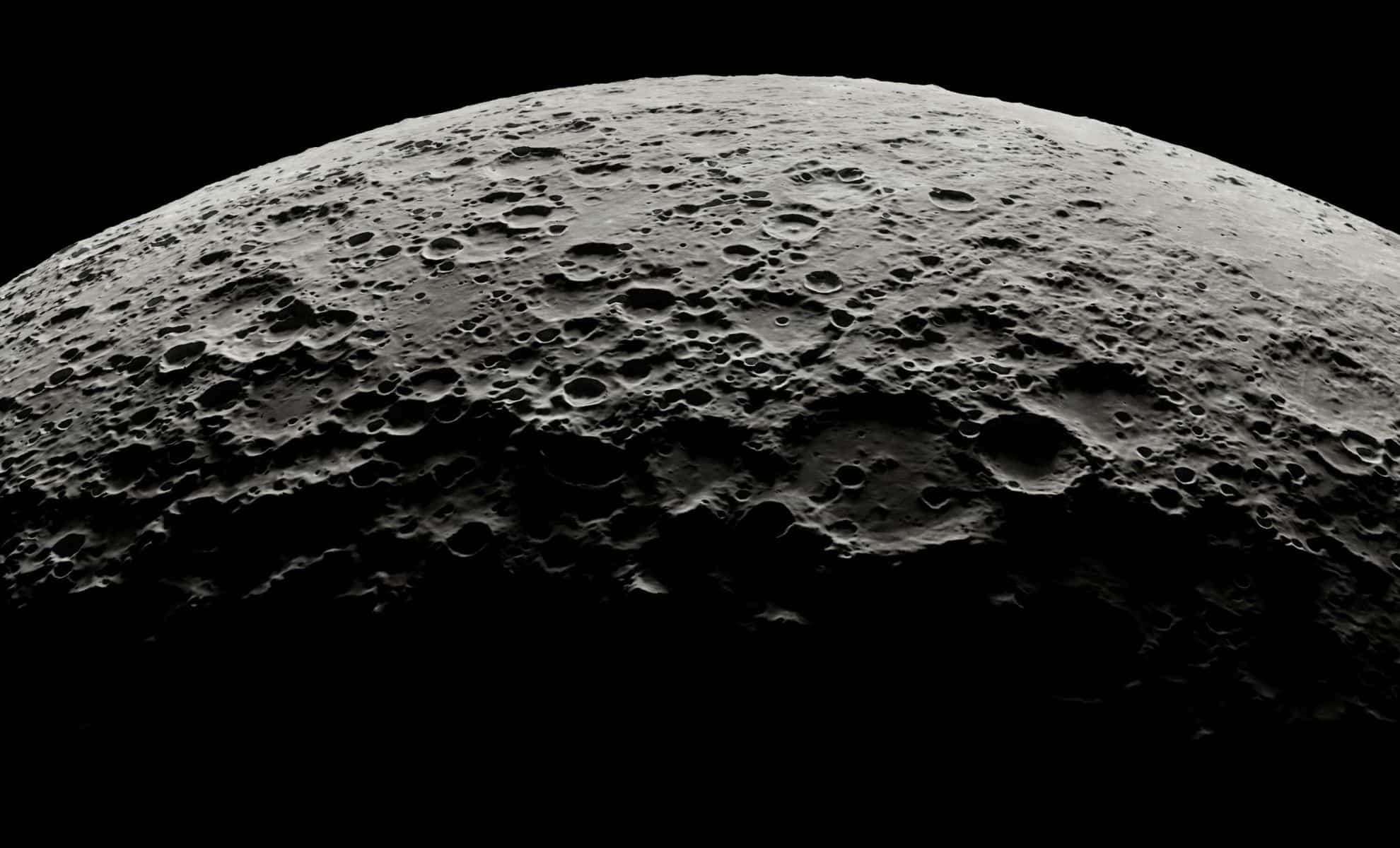
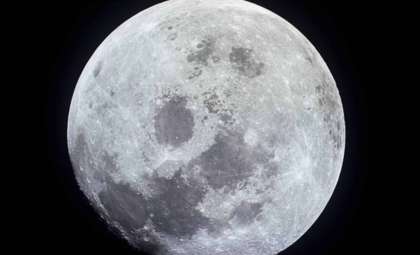
Scientists are enthralled by the discovery of minuscule lunar glass beads that illuminate the volcanic history of the Moon in unprecedented ways. These tiny particles, each less than a millimeter across, were formed during volcanic bursts billions of years ago and now offer fresh perspectives on the Moon’s ancient geologic activity. Although retrieved during the Apollo 17 mission in 1972, these beads still drive scientific revelations today. Their sparkling appearance under magnification resembles festive confetti and provides evidence of volcanic events that took place between 3.3 and 3.6 billion years ago.
Active Lunar Volcanism Uncovered
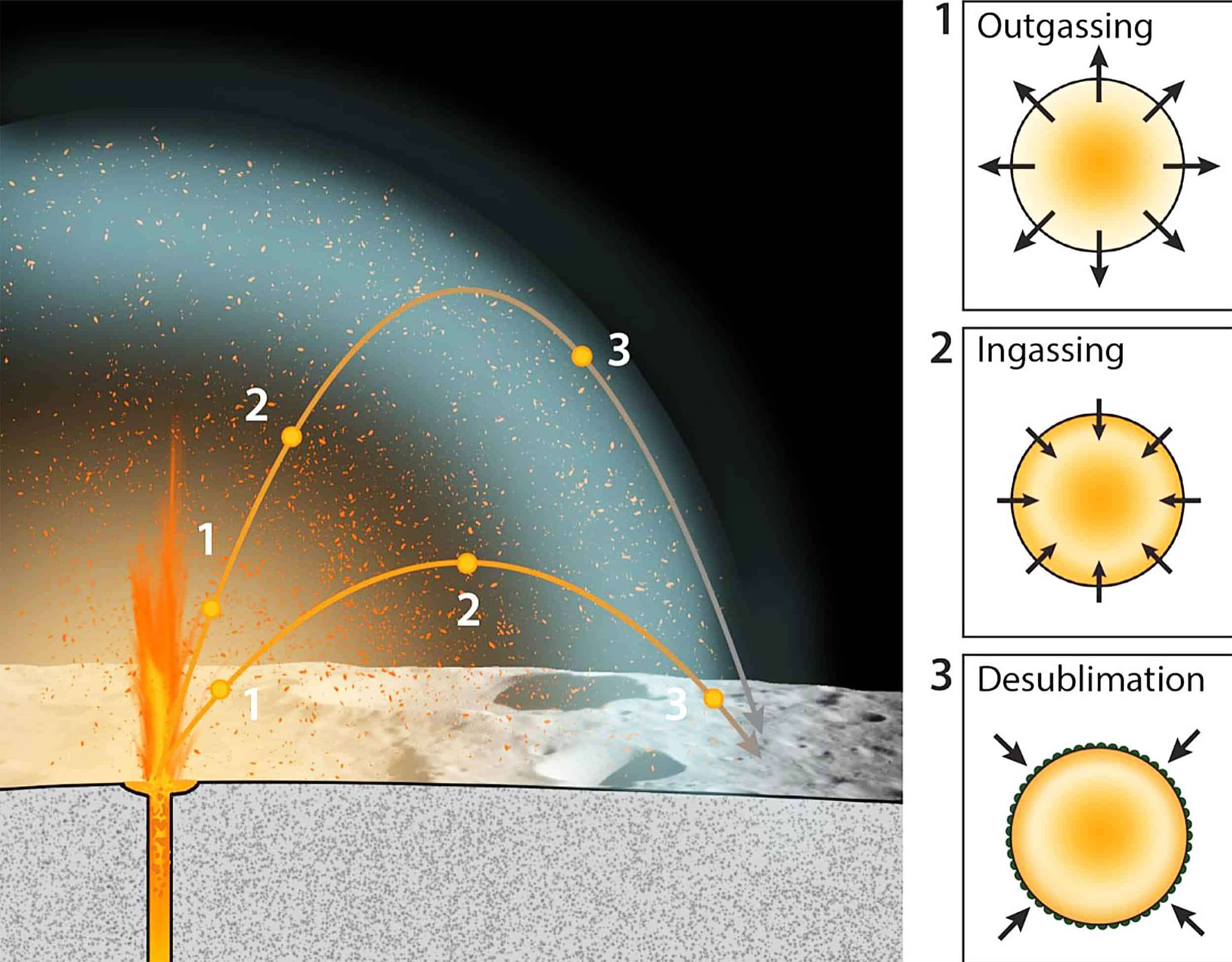
The volcanic record of the Moon appears far more dynamic than earlier assumed. These glass beads originated when molten basalt erupted into the vacuum of space. Mirroring processes observed at Earth’s Kīlauea volcano, the molten lava was ejected high above the lunar surface before solidifying mid-flight. These volcanic droplets, also called pyroclastic glass beads, subsequently fell back to the lunar surface, preserving details of their explosive formation.
In the absence of an atmosphere to slow their fall, the droplets cooled instantaneously upon descent, trapping gases and chemical characteristics from the Moon’s deep mantle. Hence, these beads function as “time capsules,” holding crucial information about the volcanic eruption dynamics.

Embedded Water and Gases Within Lunar Glass
A striking feature of these beads is the volatile substances they trap inside. Internal gases sealed within the beads never escaped into the void of space, and intriguing quantities of water have also been detected. Previous assumptions held the Moon as essentially dry, yet these findings suggest otherwise. Melt inclusions inside the beads reveal water content reaching up to 1,410 parts per million, comparable to that found in Earth's upper mantle.
This surprising discovery invites new inquiries into the Moon’s early environment and the extent to which volatile elements were lost during the colossal impact that formed the Moon. The presence of water inside these tiny beads implies a much more intricate lunar interior composition than previously recognized.
Surface Layers Reveal Volcanic Eruption Details
Beyond internal chemistry, the beads' outer coatings provide captivating information. Employing sophisticated instruments like NanoSIMS, researchers have explored the ultra-thin layers covering these glass particles. These coatings, just hundreds of atoms thick, preserve mineralogical details outlining the composition and cooling history of the volcanic plumes that enveloped the lunar surface during eruptions.
In a recent publication, scientists detected zinc sulfide (sphalerite) on the bead surfaces. This mineral exhibits a gradient with iron-rich material proximate to the glass and purer zinc towards the outer edges, indicating the cooling and thinning of eruption clouds as the beads traveled outward. Additionally, some beads contain traces of sodium chloride, gallium, and fluorine, signaling the presence of volatile metals in the eruptive fire fountains that launched these droplets.
Modern analytical technology enables the unprecedented mapping of these microscopic surface layers. “We’ve had these samples for 50 years, but we now have the technology to fully understand them,” explains Ryan Ogliore.
Implications for Upcoming Lunar Exploration
These glass bead discoveries enhance comprehension of the Moon’s volcanic timeline and have practical significance for future lunar endeavors. As NASA’s Artemis initiative targets sustained human presence on the Moon, knowledge of resource distribution—such as sulfur and zinc—becomes essential.
Moreover, sulfur isotope variations within these coatings reveal volcanic gas fluxes, vital for mission planning and evaluating potential landing sites alongside lunar volcanic activity history.
Ongoing studies of these beads not only decode the Moon but also provide comparative insight into volcanic phenomena on other atmosphere-less bodies. Airless planets and satellites, including Mercury and Mars’ moons, may similarly preserve eruption signatures akin to those unveiled on our Moon.
- Categories:
- News




0 comments
Sign in to Comment