
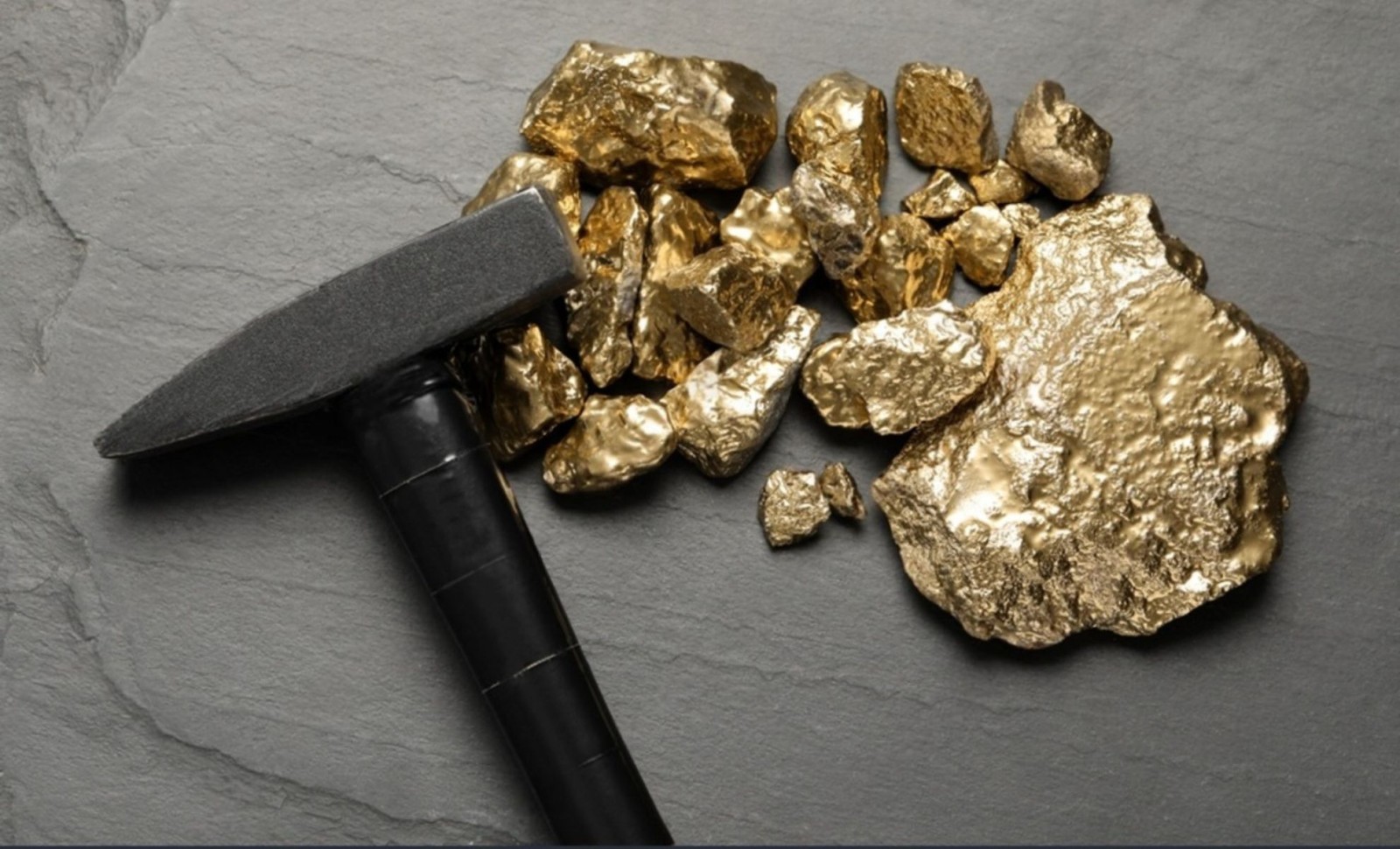
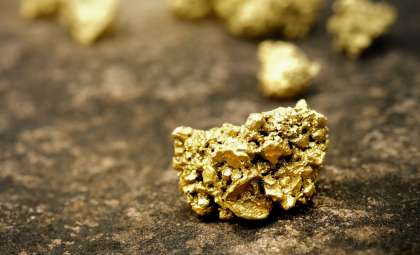
In 2015, David Hole, a local from Maryborough, Victoria, stumbled upon what he initially believed to be a gold nugget during a prospecting trip in Maryborough Regional Park. After years of trying to open the rock, he eventually discovered a cosmic secret hidden inside.
Rather than gold, the mysterious rock turned out to be a meteorite dating back 4.6 billion years. The find was detailed in the Proceedings of the Royal Society of Victoria, revealing that this ancient space relic had voyaged through the cosmos before landing near Hole’s prospecting site.
A Moment of Revelation
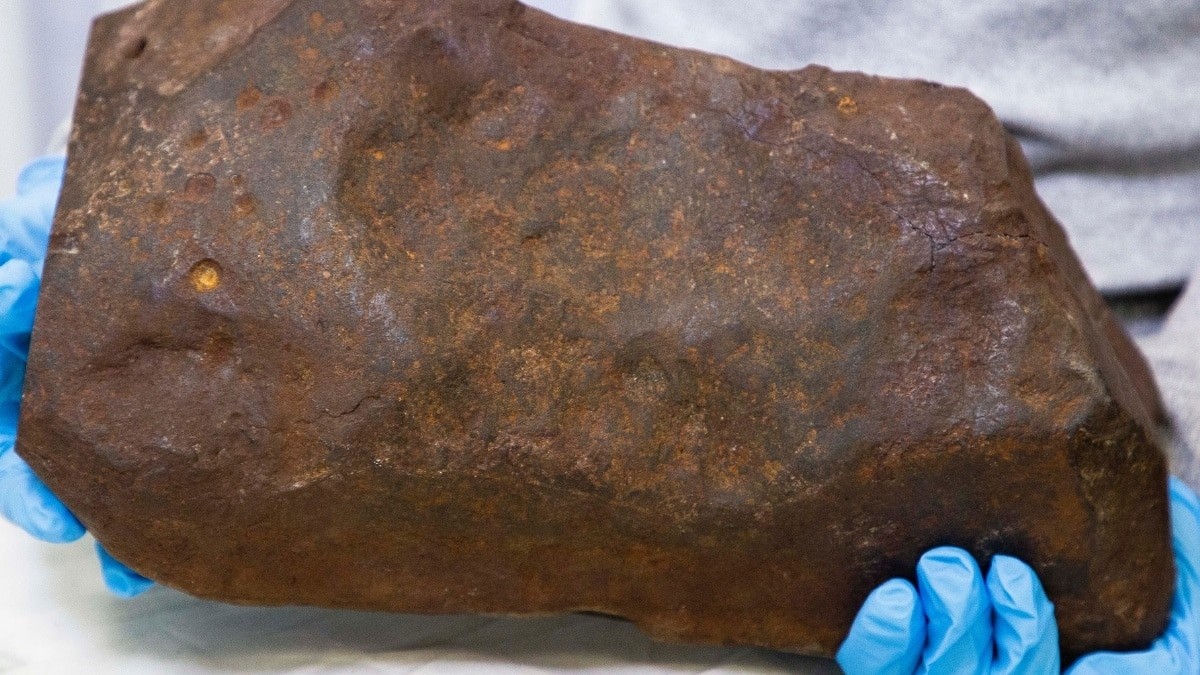
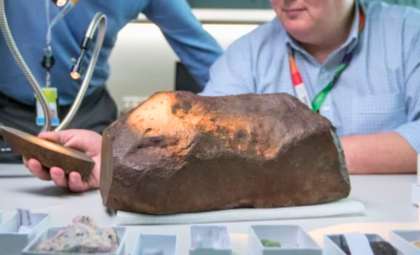
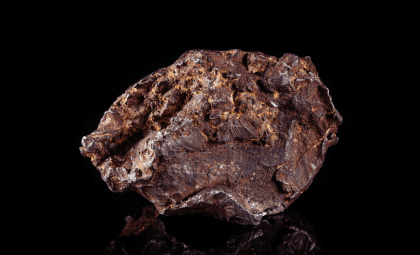
While searching for gold in May 2015 about two kilometers out of Maryborough, Hole noticed a particularly dense and uniquely shaped rock embedded in yellow clay. Its weight and outer texture intrigued him. Unsure of what he possessed, three years later he brought the 38.5cm by 14.5cm by 14.5cm specimen to Museums Victoria for detailed evaluation.

Experts confirmed the object was a rare meteorite, not gold. Dermot Henry, a geologist at Melbourne Museum, explained that the rock’s distinctive pitted and weathered surface indicated its fiery descent through Earth’s atmosphere.
“In some meteorites, there is ‘stardust’ even older than our Solar System, which shows us how stars form and evolve to create elements of the periodic table,” he noted. As a result, this meteorite was easily distinguishable from Earth rocks by its unusual surface.
A Celestial Time Capsule Opened
Scientists carefully cut a small piece from the meteorite, confirming it as a H5 ordinary chondrite. The associated research revealed that this meteorite mainly consists of iron and is among the oldest and simplest types known.
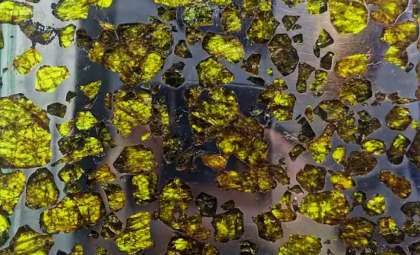
The meteorite contained chondrules, tiny metal beads that are key to understanding the early history of our Solar System, formed well before Earth existed. The rock David Hole obsessively studied had transformed from a mere space fragment to a treasure trove of cosmic history.
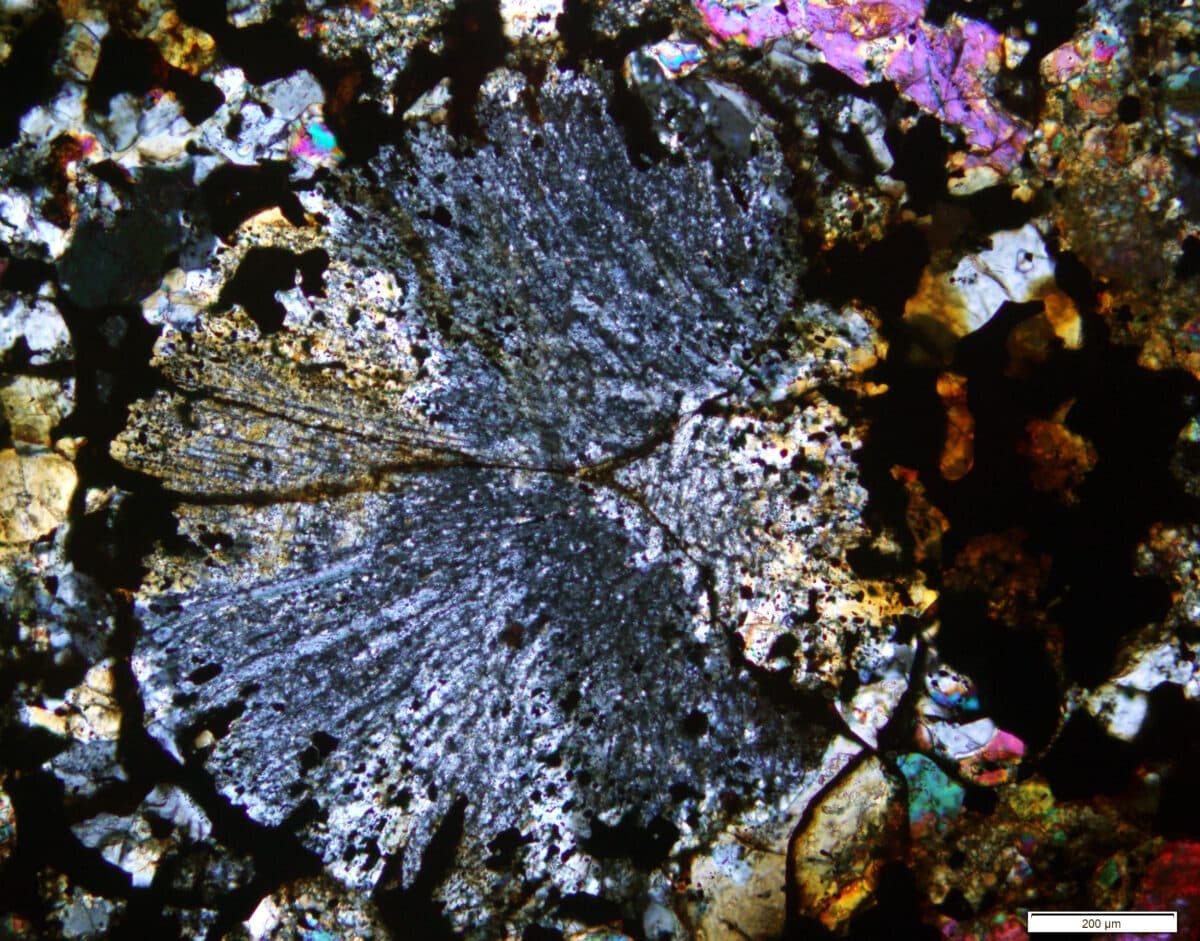
The image features a radial pyroxene chondrule from the Maryborough meteorite alongside fragments and identifying labels. Credit: Victoria Museums
Unearthing a Rare Treasure in the Goldfields
Aside from its remarkable age and unique content, this meteorite’s scarcity adds to its importance. Only 17 meteorites have been documented in Victoria, making this specimen the second-largest chondrite uncovered in the region, trailing a 55-kilogram find from 2003.
“This is only the 17th meteorite found in Victoria, whereas there’s been thousands of gold nuggets found,” Henry told Channel 10 News. “Looking at the chain of events, it’s quite, you might say, astronomical it being discovered at all.”
Gold is frequently found in the area, but meteorites are a rare phenomenon in Victoria due to the slim odds of space debris landing in accessible locations. Henry points out that although thousands of gold nuggets have been dug up nearby, finding meteorites like this one is a notably uncommon event.
Perhaps even more astonishing is that this space rock lay untouched for so many years before anyone identified its origins. While scientists cannot pinpoint exactly when it arrived, carbon dating suggests it fell anywhere from a century to a millennium ago. Several recorded meteor sightings between 1889 and 1951 may correlate with its descent.
- Categories:
- News






0 comments
Sign in to Comment