
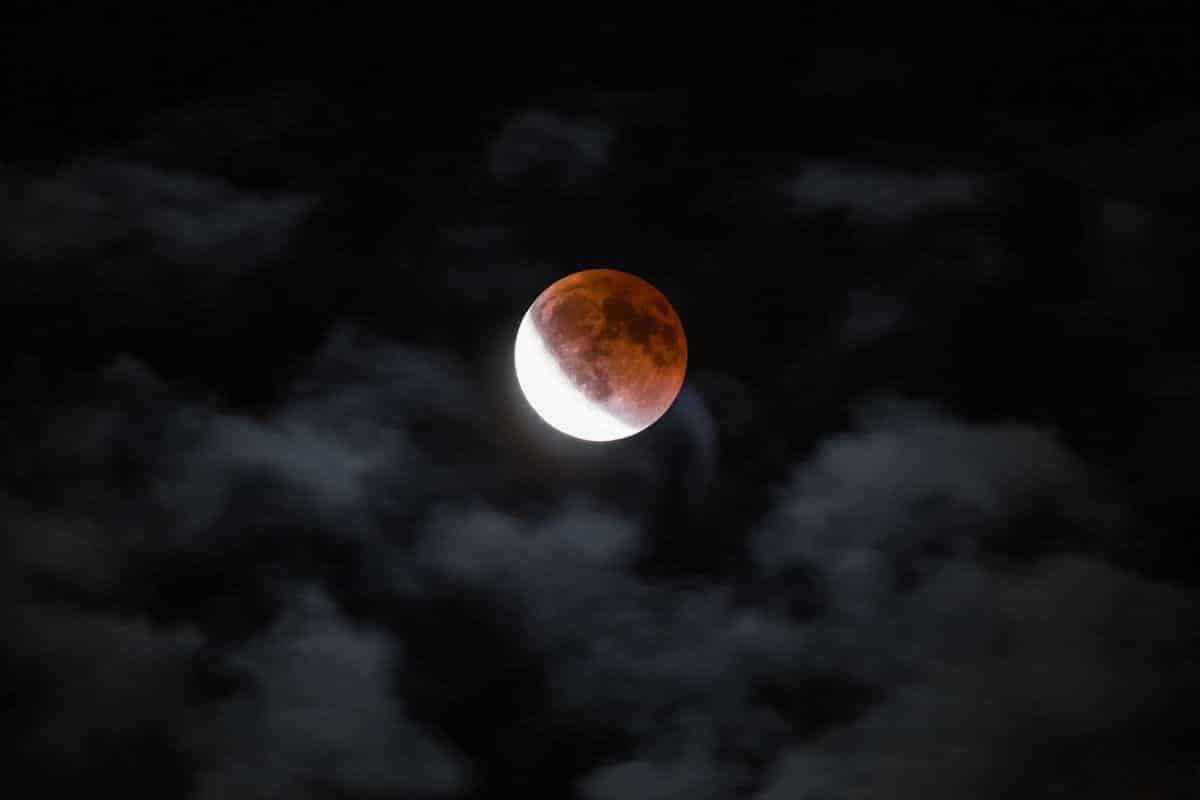
An awe-inspiring total lunar eclipse will illuminate the skies on March 13-14, 2025, presenting a stunning blood moon spectacle for enthusiasts and casual observers alike.
This marks the first total lunar eclipse since 2022, featuring a dazzling event that lasts more than six hours, including a 65-minute period when the Moon is fully immersed in Earth's shadow.
Observers in North and South America will enjoy prime viewing conditions, while portions of Europe, Africa, and East Asia will catch partial glimpses.
Visibility of the March 2025 Lunar Eclipse
The eclipse will be visible across regions experiencing nighttime during the event. Although the peak eclipse takes place over the Pacific Ocean, North and South America will offer the clearest views.

Every U.S. state, alongside Canada and Mexico, will witness all eclipse stages. In South America, countries such as Brazil, Argentina, and Chile will have an unobstructed view of the full eclipse.
Visibility in Europe is more limited, with western countries like the UK, France, and Spain catching only partial views as the Moon sets. Iceland and Greenland, however, will experience totality shortly before dawn. African locations including Cape Verde, Morocco, and Senegal will also see the total eclipse prior to moonset.
In parts of Asia and Oceania, the eclipse will be partial. East Asia will see the Moon rise during the eclipse, offering a partial spectacle, while New Zealand will see the eclipse in progress as the Moon emerges above the horizon.
Eclipse Schedule
The entire event spans roughly six hours, with key moments occurring sequentially. In Eastern Time (ET), the penumbral eclipse starts at 11:57 p.m. ET on March 13, followed by the onset of the partial eclipse at 1:09 a.m. ET on March 14.
The total lunar eclipse phase begins at 2:26 a.m. ET and continues for 65 minutes until 3:31 a.m. ET. Partial eclipse resumes until 4:47 a.m. ET, and the penumbral phase ends at 6:00 a.m. ET.
Times will align with local zones worldwide, with the principal stages happening during early morning hours on March 14.
Tips for Observing the Blood Moon
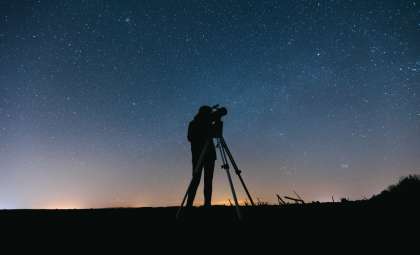
Total lunar eclipses provide one of the simplest skywatching experiences, requiring no special instruments. Just find a dark spot with a clear sky to witness the Moon’s transformation. Using binoculars or telescopes can enhance the view by highlighting lunar details as it glows red.
Weather Considerations
The biggest obstacle to a clear view is cloud cover. Historically, March tends to offer the clearest skies in western areas of the U.S., Canada, Mexico, and Chile’s Atacama Desert.
Conversely, higher chances of cloudiness affect the eastern U.S., Canada, and some European regions during this period, possibly limiting eclipse visibility. Checking local forecasts will help identify the best locations for watching.
What Makes This Eclipse Unique?
This lunar eclipse is the first full one since 2022 and follows a series of partial and penumbral eclipses. It will stand as the only total lunar eclipse observable across the Americas until 2029, making it a highly anticipated event for sky observers.
The March 2025 total lunar eclipse is notable for its lengthy totality of 65 minutes, offering a generous window for observation and photography.
- Categories:
- Astronomy



0 comments
Sign in to Comment