
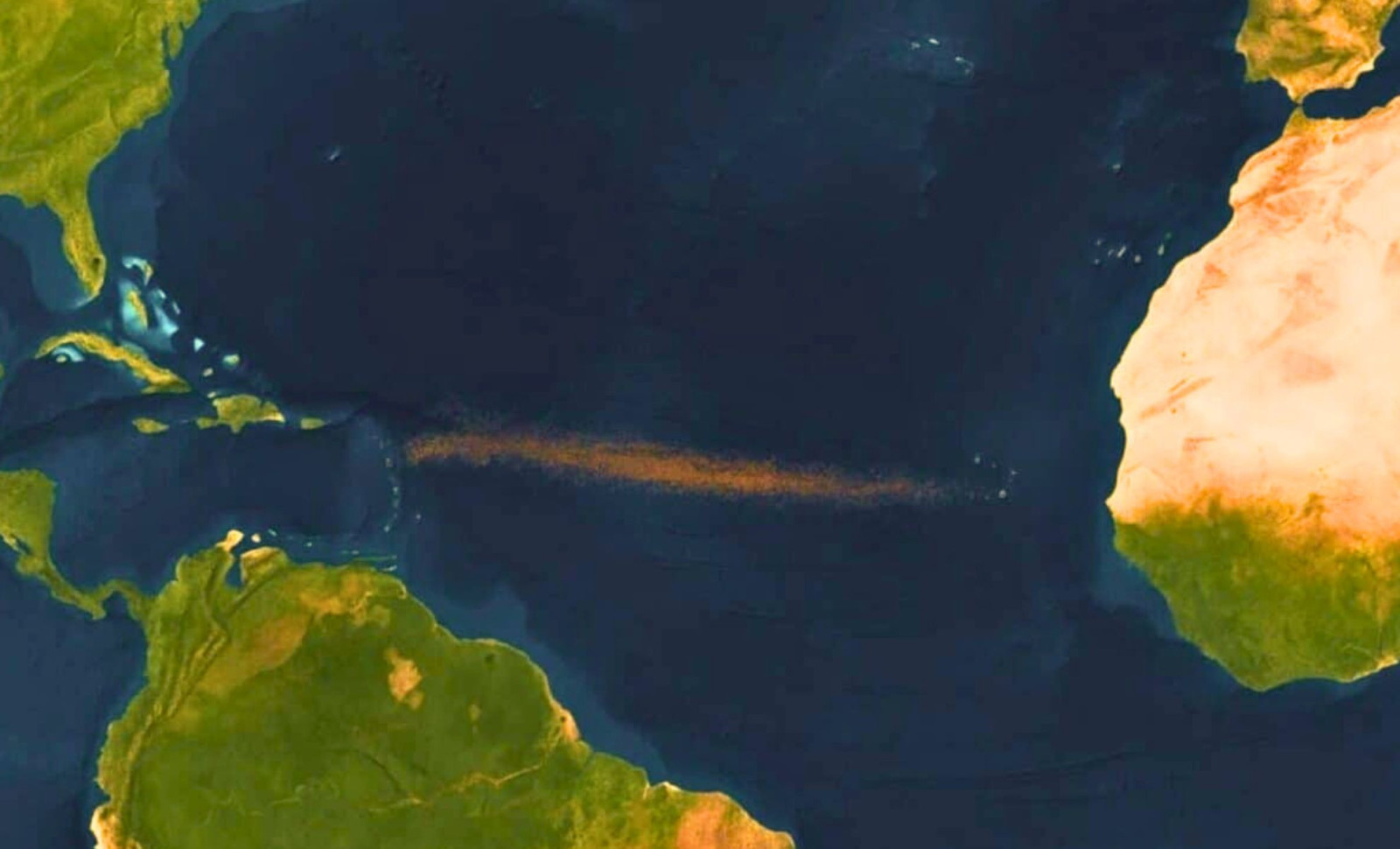
Spanning nearly 5,000 miles across the ocean, a vast expanse of drifting brown seaweed is once again sweeping through the Atlantic, with recent data revealing record-breaking concentrations.
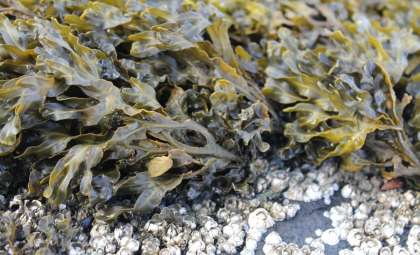
Known as the Great Atlantic Sargassum Belt, this phenomenon consists of numerous thick, floating mats carried by ocean currents from the tropical Atlantic into the Caribbean Sea and the Gulf of Mexico. What once appeared sporadically has now become a seasonal norm, impacting shorelines, coral ecosystems, and local economies throughout the western Atlantic region.
At its peak, the belt contains over 20 million metric tons of biomass. Favorable conditions such as warm waters and increased nutrient levels allow the seaweed to double its weight in less than 11 days. Satellite observations conducted by the University of South Florida and the National Oceanic and Atmospheric Administration confirm that the belt's latest July assessments remain at unprecedented highs.

Emergence of a New Sargassum Population in the Equatorial Atlantic
Historically, large Sargassum aggregations were confined mainly to the Sargasso Sea, a calm North Atlantic region defined by currents rather than land boundaries. Minimal fragments drifted west and south but rarely caused significant issues. Around 2011, this pattern shifted as a new seaweed population took hold in the warm Equatorial Atlantic waters between Africa and South America, resulting in much more prolific growth than previously recorded.
Using NASA satellite imagery, optical oceanographer Chuanmin Hu from the University of South Florida identified this expansion and coined the term Great Atlantic Sargassum Belt. His data revealed the belt to be a seasonal fixture rather than an isolated event, with rapid biomass growth each spring and summer before the North Equatorial Current transports it west toward the Caribbean.
Research led by Julien Jouanno of the Institut de Recherche pour le Développement, published in Harmful Algae, points to nutrient enrichment as the key factor driving this proliferation. Notably, discharges from the Amazon River transport nitrogen and phosphorus into the tropical Atlantic, effectively nourishing the seaweed growth area. Shifts in ocean chemistry mean these vast annual blooms are now the norm rather than exceptions.
Rotting Seaweed Emits Harmful Gases and Blocks Essential Sunlight
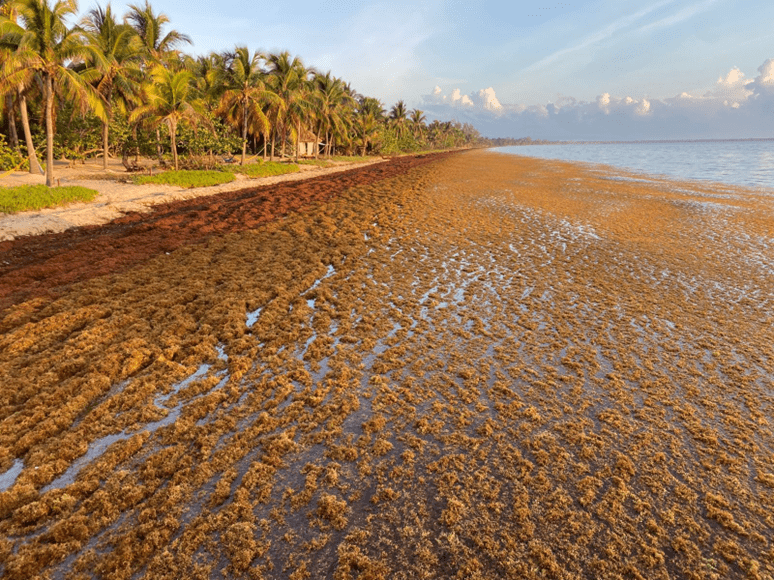
When the floating seaweed reaches coastal shores, problems intensify. In the Caribbean, Sargassum accumulates in thick piles several feet tall. As it decays, it releases hydrogen sulfide, a foul-smelling gas that can cause breathing difficulties for nearby residents. Decomposition also depletes oxygen in the surrounding waters, resulting in dead zones that are hostile to fish and marine life.
The mats also obstruct sunlight penetration underwater, threatening seagrass beds and coral reefs that rely on sunlight for survival. Extended shading can cause die-offs of photosynthetic organisms, disrupting coastal food webs and diminishing habitats critical for juvenile fish, sea turtles, and other marine species dependent on shallow waters.
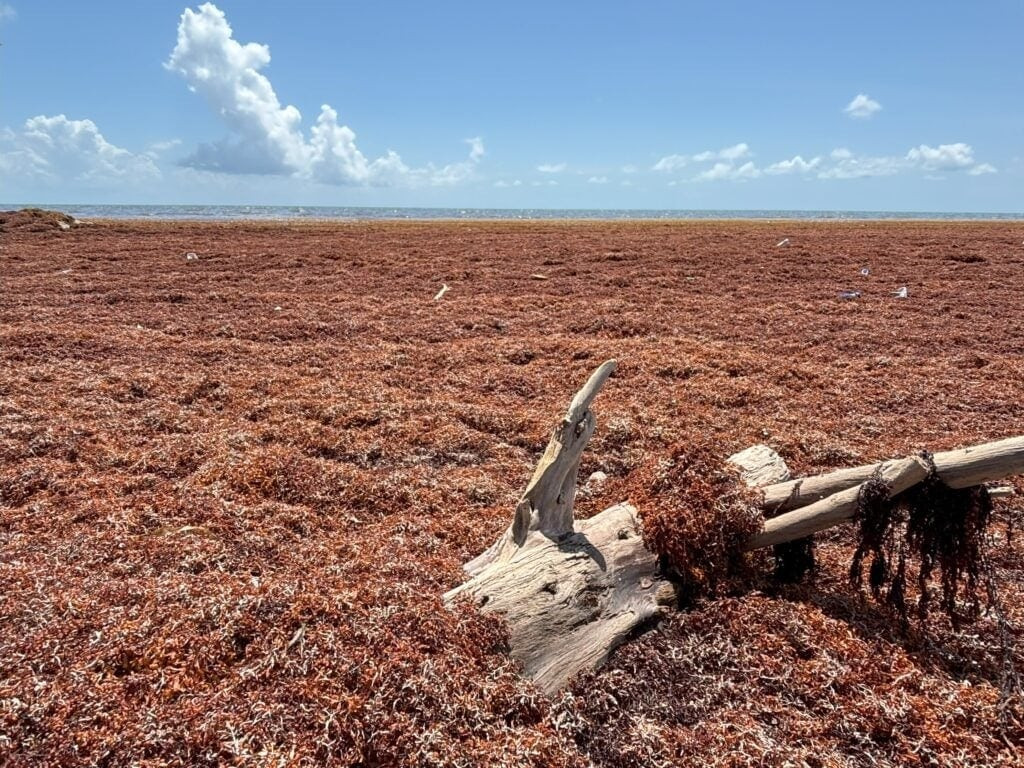
While offshore, the seaweed provides habitat and nourishment for various small marine animals such as fish and sea turtles. However, the current overwhelming scale of coastal accumulation poses considerable challenges for communities living along affected shorelines.
Recurring Challenges for Caribbean Tourism and Shoreline Management
The economic impact of these yearly seaweed invasions is significant. Caribbean resorts often have to restrict beach access during peak tourist seasons. Removing the seaweed is costly and complicated; heavy equipment used to clear beaches can cause shoreline erosion and disturb sea turtle nesting sites, thus compounding ecological harm.
Island nations reliant on pristine waters and healthy reefs for tourism face disproportionate setbacks. The mounting expenses of cleanup, lost visitors, and reef damage accumulate annually, with no dependable method currently available to curb the volumes washing ashore.
Scientists have evaluated prospects for repurposing the seaweed, investigating its application as fertilizer, construction bricks, or biofuel. However, high salt content and contamination with heavy metals like arsenic present obstacles to large-scale processing, and commercial ventures remain in early development stages.
NOAA and Academic Partnerships Conduct Weekly Monitoring of the Belt
Ongoing monitoring has become a collaborative scientific mission. Researchers at NOAA’s Atlantic Oceanographic and Meteorological Laboratory coordinate efforts with NOAA’s National Environmental Satellite Data, Information Service and the University of South Florida to produce weekly Sargassum Inundation Reports. These analyses utilize satellite data to estimate the belt’s spread and density and assess seaweed threat levels to coastlines in the Caribbean, southeast Florida, and the Gulf of Mexico.
Variations in the belt's extent are influenced by the Atlantic Equatorial Mode, a climate phenomenon that modifies tropical Atlantic sea surface temperatures and wind patterns. Calm winds tend to concentrate the seaweed into dense aggregations, while stronger winds disperse it more evenly.
NOAA’s AOML research team also implements field research using satellite trackers and surface drifters to gather real-time movement data of the seaweed, complementing the satellite observations. The University of South Florida is advancing its tracking capabilities in preparation for the 2026 bloom cycle.
- Categories:
- Science








0 comments
Sign in to Comment