
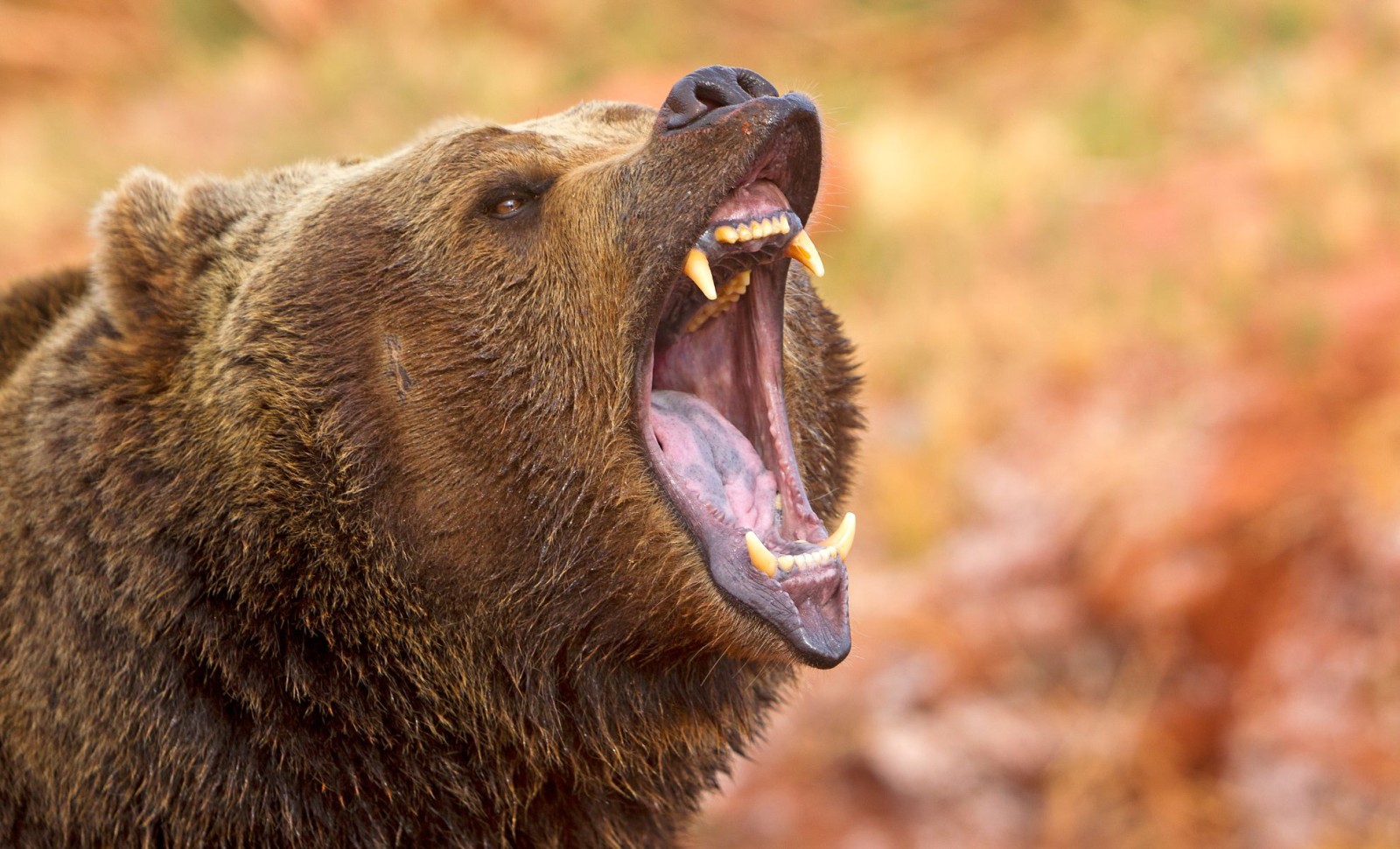
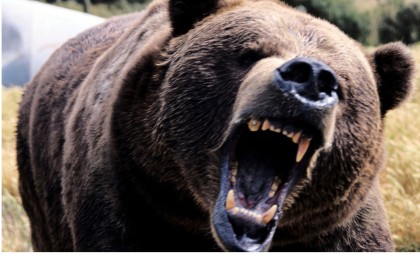
In 2020, hunters tracking reindeer in Siberia uncovered an extraordinary find: a bear’s body impeccably preserved in the permafrost for millennia. Initially believed to be a prehistoric Ice Age cave bear, further scientific examination revealed the creature to be a brown bear, dating back roughly 3,460 years. This extraordinary specimen was discovered on Bolshoy Lyakhovsky Island, situated in Russia's far north, marking a significant breakthrough in paleontology.
The Curious Story of the ‘Etherican Bear’
At first, scientists assumed the remains belonged to the now-extinct cave bear, a massive species from the Ice Age. However, radiocarbon dating and genetic analyses later disproved this theory. According to Reuters, the specimen is actually a brown bear that lived much more recently than initially assumed, about 3,460 years ago.
Leading paleontologist Lena Grigorieva, who participated in the study, described it as “a unique and unprecedented discovery,” explaining:

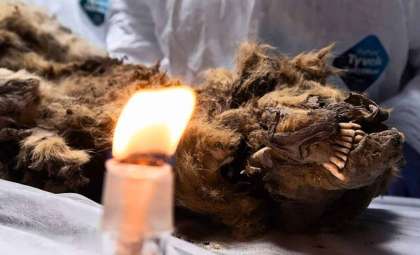
“It is completely preserved, with all internal organs in place, including even its nose. Previously, only skulls and bones were found. This find is of great importance for the whole world.”
First Discovery of Soft Tissue in a Bear Carcass
This ancient bear has been dubbed the “Etherican bear,” named after the adjacent Bolshoy Etherican River. Details about its age and species have granted scientists new insights into prehistoric wildlife. Maxim Cheprasov, head of the Lazarev Mammoth Museum Laboratory in Yakutsk, highlighted the significance of accessing a specimen with preserved soft tissues. This allowed him to study the internal organs and analyze the brain in unprecedented detail.
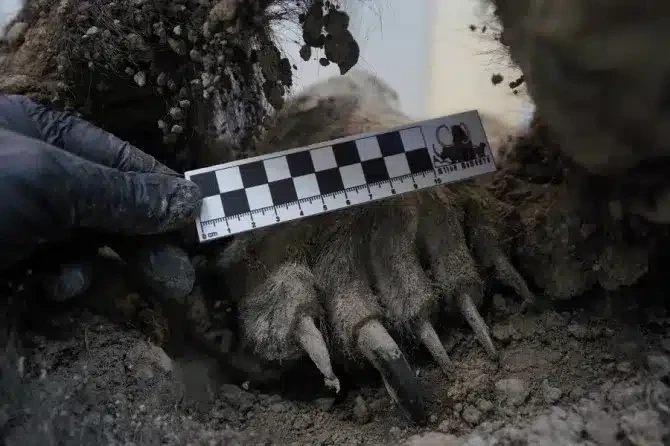
“Genetic analysis has shown that the bear does not differ in mitochondrial DNA from the modern bear from the north-east of Russia, Yakutia and Chukotka,” he said.
With confirmation that the creature was a brown bear, researchers proceeded with a necropsy to uncover more about its life and death. This young female, roughly 2–3 years old, stood approximately 5.1 feet tall and weighed about 172 pounds at the time of death. As noted by Smithsonian, the team found spinal damage but remains uncertain if this injury caused the animal’s demise. She might have died due to illness, predation, or environmental conditions.
The most fascinating element of the autopsy was the analysis of the bear’s stomach contents. Scientists uncovered traces of plant matter and bird feathers, offering a rare snapshot of the predator’s diet shortly before death. The permafrost’s incredible preservation meant even the last meal's remains endured intact, making this an exceptional find.
- Categories:
- Science





0 comments
Sign in to Comment