
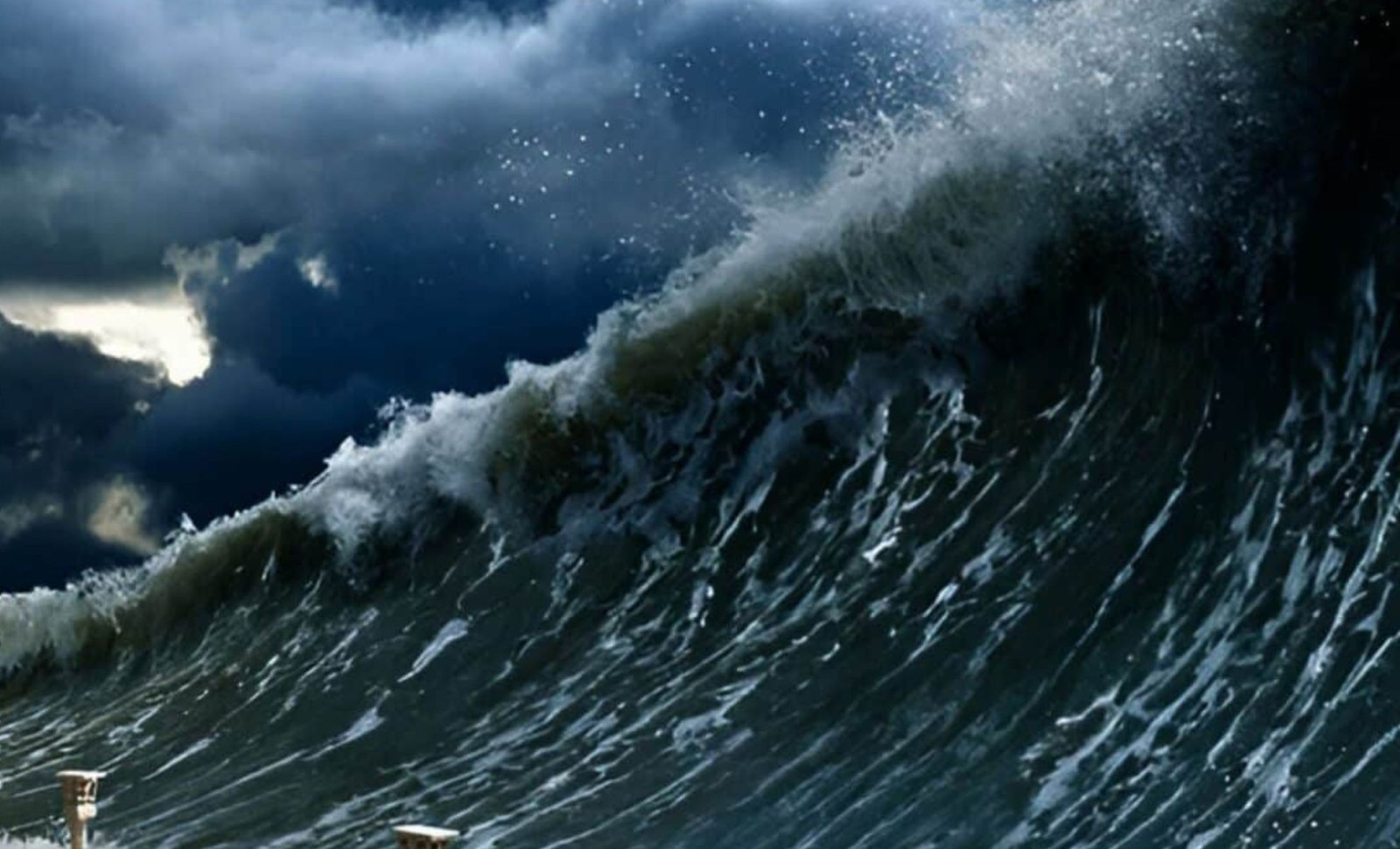
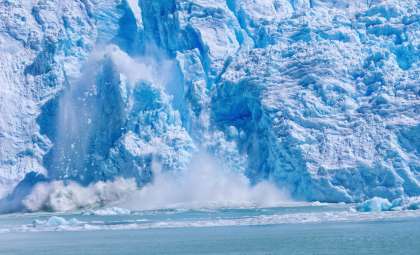
On August 10, 2025, a section of unstable rock detached from a mountainside along Alaska’s Tracy Arm Fjord after the retreat of a glacier that had long stabilized it. The resulting landslide generated a colossal tsunami that reached an astonishing height of 481 meters. This event has been categorized as the second tallest tsunami ever documented and the largest one not caused by seismic activity.
Scientists examining this event are shedding light on the hidden dangers linked to glacier melt. In regions like Alaska, the gradual disappearance of glaciers not only marks climate change but can also set the stage for sudden geological disasters.
A Wave Surpassing the Height of the Burj Khalifa
The landslide occurred abruptly during early morning hours, hurling vast quantities of rock into the fjord. Reports published in Science and presented at the European Geosciences Union 2026 General Assembly describe how the narrow fjord intensified the impact. The tsunami’s towering wave reached 481 meters, exceeding the height of nearly all buildings worldwide except for 14 skyscrapers.

Following the collapse, the fjord’s waters didn’t come to rest quickly. Instead, the area experienced a persistent standing wave, or seiche, with drone imagery capturing floating ice fragments and exposed cliff faces where the mountainside gave way.
Because the fjord’s constrained shape funneled the energy of the slide, the tsunami's power was dramatically amplified. Fortunately, no fatalities occurred—a fortunate outcome credited in part to the timing of the event by Daniel Shugar, the leading geomorphologist on the study.
“The risk to any particular cruise ship [from a tsunami] on any particular day is very low,” he said. “We were unbelievably lucky that the [tsunami] occurred with the timing that it did, and not 5 hours later. The risk certainly still could be increasing as we build new settlements, new mining camps, or new oil and gas infrastructure.”
The Glacier That Anchored the Mountain
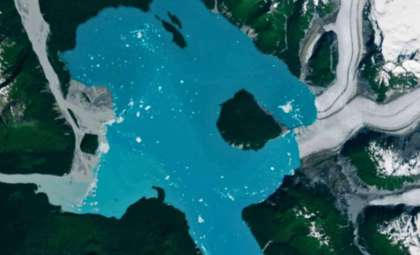
The cause of the landslide is rooted in the decades-long retreat of the South Sawyer Glacier, which receded by about 500 meters in the spring of 2025 alone. This glacier had functioned as a natural support for the slopes, and as it diminished, the mountainside lost its stability, leaving weakened rock formations vulnerable to collapse.
Satellite data reveals that other Alaskan slopes are similarly destabilized due to retreating glaciers—a process termed “debuttressing.” While intense rainfall may have played a role, the primary instigator was the glacier’s withdrawal exposing the fragile rock below.
Climate Change Catalyzing Sudden Disasters
The Tracy Arm tsunami exemplifies an emerging climate hazard, where gradual warming triggers abrupt and destructive geological events. Comparable tsunamis triggered by landslides have taken place in locations such as Taan Fiord in Alaska and Dixon Fjord in Greenland, all attributable to climate shifts rather than earthquakes.
Traditional hazard models struggle to predict these phenomena since unlike earthquakes or hurricanes, glacier retreat is a slow, subtle process that can suddenly instigate catastrophic events.
Leigh Stearns, a glaciologist from the University of Pennsylvania not involved in the study, highlights the deceptive nature of glacier retreat.
“Often, we think of glacier retreat as a long and continuous thing, but [it] can trigger sudden catastrophic events,” she said.
Expanding human activities, including new settlements and industrial operations in these sensitive areas, could elevate risks further. Shugar warns that while the immediate danger remains low, infrastructure growth may increase vulnerability over time.
“The risk could definitely grow as we build more infrastructure,” he said.
Both Shugar and Stearns consider the Tracy Arm event a critical alert urging proactive measures to mitigate future calamities.
“Climate is a threat multiplier, and this research is pushing us to consider cascading hazards,” Stearns said. “Tracy Arm is one example: Small, gradual changes can trigger major events. Hopefully, we won’t need more disasters to prompt action.”
- Categories:
- News


0 comments
Sign in to Comment