
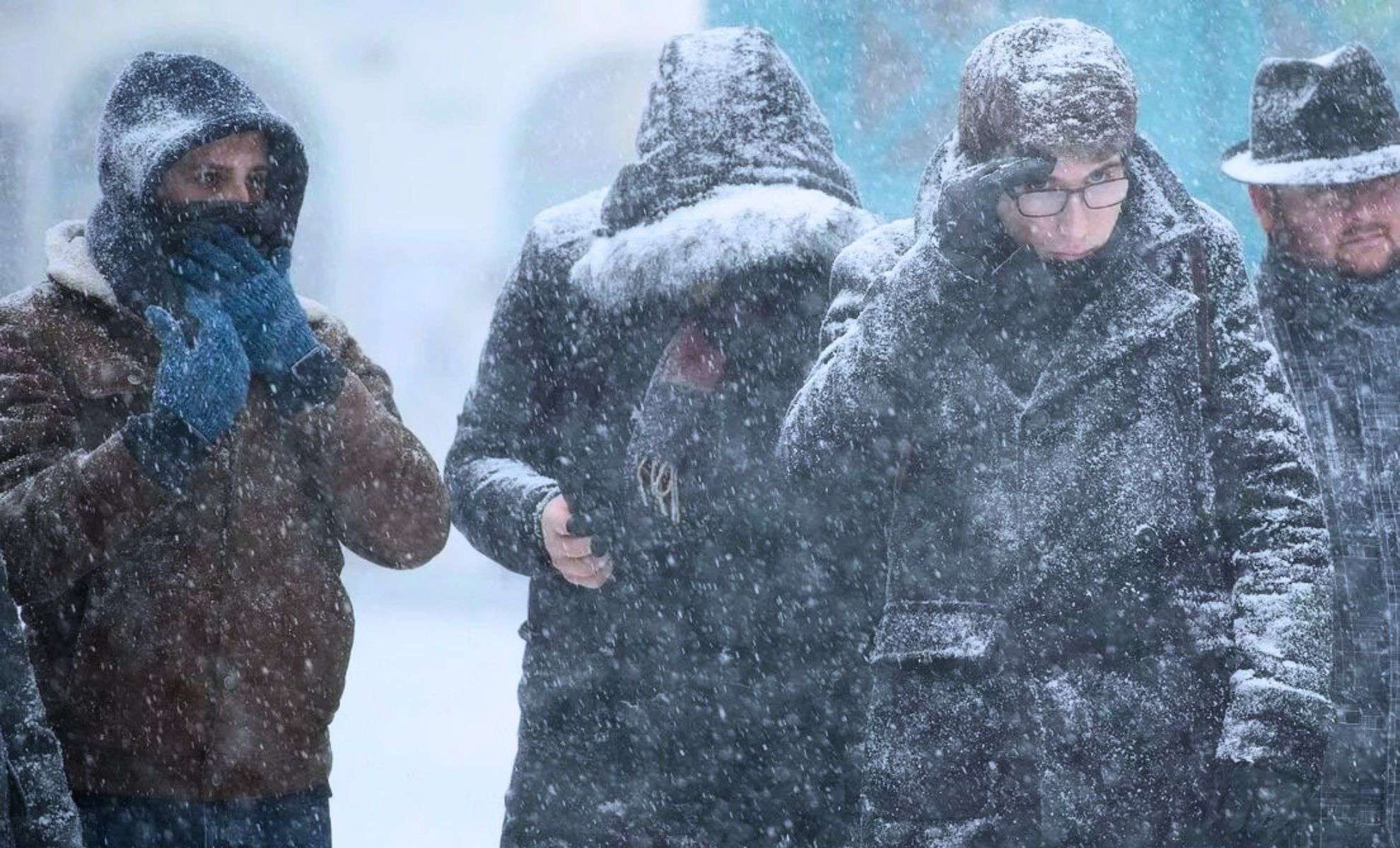
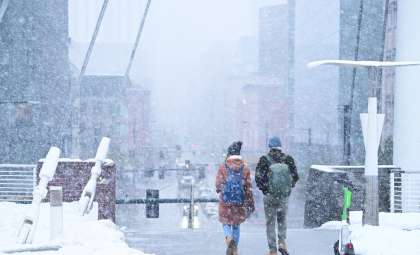
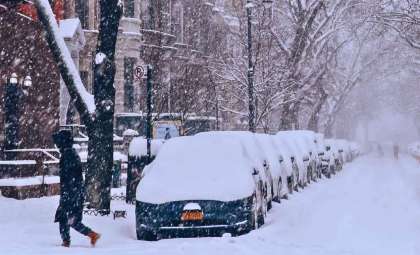
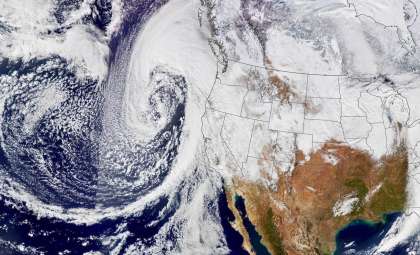
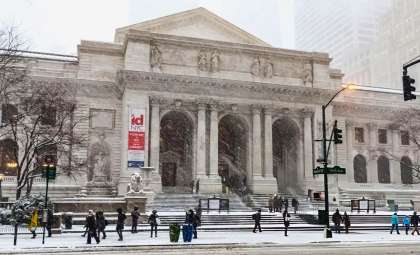
Millions across the United States are gearing up for a monumental winter storm expected to bring the most intense snowfall and lowest temperatures experienced in more than ten years. With weather warnings issued in 30 states and emergency declarations in multiple areas, this storm threatens to disrupt routines, create hazardous travel conditions, and challenge communities unused to such severe cold.
Storm Trajectory and Immediate Consequences
Central U.S.: Epicenter of Impact
The central United States is at the heart of the storm's disruption, facing significant interruptions in everyday activities. The National Weather Service alerts the public to “dangerous or impossible driving conditions” and numerous shutdowns. Highlights include:
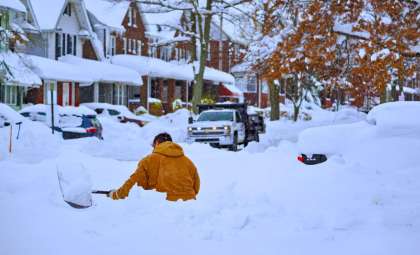
- Intense Snowfall: Regions in Kansas and Indiana may receive upwards of 8 inches (20.3 cm) of snow.
- Blizzard Conditions: The Midwest is likely to encounter blizzards that cause whiteout conditions, severely hampering travel safety.
- Sleet and Freezing Rain: States like Missouri, Illinois, Kentucky, and West Virginia are projected to face a combination of sleet and freezing rain, complicating transportation and infrastructure stability.
Ben Gardner, a state highway patrol trooper, shared a video on X illustrating how dangerously slick the highways have become. Meteorologist Ryan Maue labeled the event as more than a typical winter storm, calling it a potential disaster.

East Coast: Battling Plummeting Temperatures
As the system moves eastward, metropolitan areas including Washington DC, Baltimore, and Philadelphia prepare for icy and snowy conditions. Forecast models indicate:
- Record-Low Temperatures: The East Coast will experience drastic temperature drops, with some locations facing their coldest January stretch in more than a decade.
- Substantial Snowfall: Portions of Virginia could accumulate between 5 and 12 inches of snow, potentially causing power disruptions and transit delays.
Southern U.S.: Unusual Wintry Conditions and Storms
The Southern states, usually shielded from harsh winter weather, are seeing extraordinary impacts from this storm. Areas such as Arkansas, Louisiana, and Mississippi may be subject to:
- Severe Thunderstorms: These storms could bring strong winds and localized flooding hazards.
- Rare Cold Spells: Regions unfamiliar with freezing temperatures are advised to prepare for icy situations and possible strain on infrastructure.
Disruptions in Travel and Airline Adjustments
Travel conditions have quickly worsened, affecting roads and air traffic alike. Major carriers — including American, Delta, Southwest, and United — are offering fee waivers for customers facing flight delays or cancellations. Notable impacts include:
- Road Incidents and Closures: Unfavorable weather has caused numerous accidents, such as a fire truck overturning in Kansas.
- Flight Interruptions: Passengers are encouraged to monitor airline communications closely as the storm evolves.
Guidelines for Staying Safe
Meteorologists stress the critical need for preparedness during this severe weather event. Suggested actions include:
- Gathering Supplies: Stockpile essentials such as food, water, and emergency gear.
- Limiting Travel: Avoid going out unless absolutely necessary to reduce risk of accidents or becoming stranded.
- Monitoring Weather Updates: Stay informed through reliable sources and follow local advisories.
Dan DePodwin of AccuWeather emphasized that “temperatures significantly below the historical norms may persist for a week.” This is not a short-term event, but an extended test of community endurance across the nation.
The combination of unprecedented snowfall, severe cold, and widespread interruptions highlights the essential role of readiness and flexibility in coping with extreme weather. As millions brace for impact, the full scope of consequences will unfold in the days ahead.
- Categories:
- News ,
- Climate change



0 comments
Sign in to Comment