
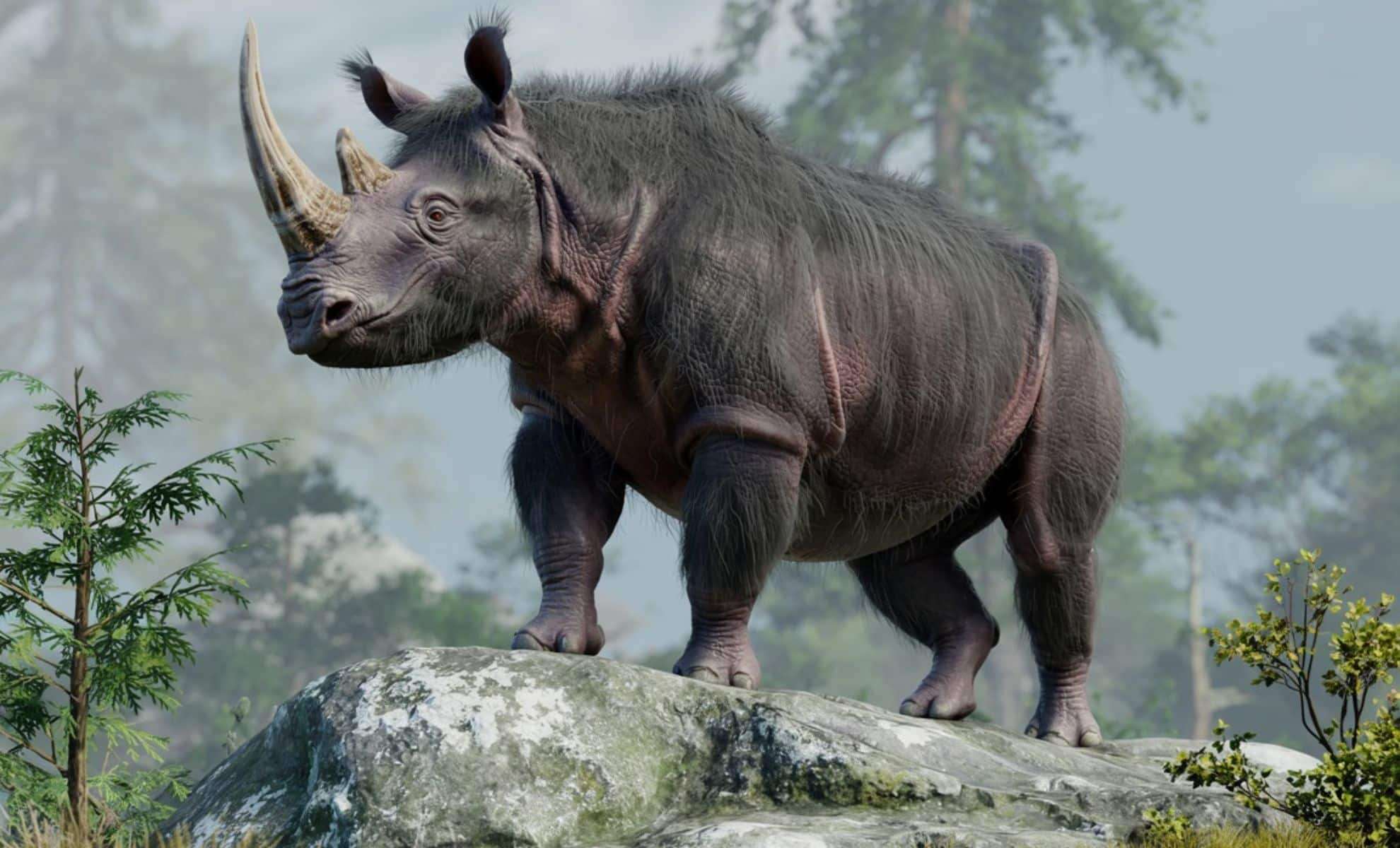
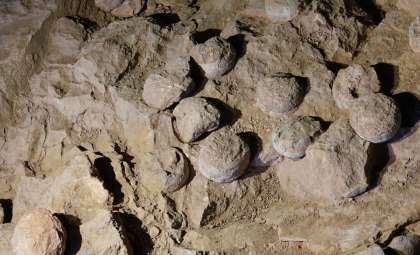
Over 100 rhinoceroses perished simultaneously at a single location approximately 11.8 million years ago. Their fossilized remains, excavated from the Ashfall Fossil Beds in Nebraska, are providing fresh insights into the social dynamics and movement habits of prehistoric megafauna.
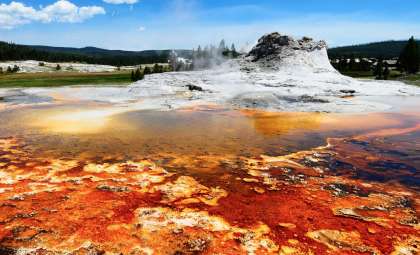
A recently published paper in Scientific Reports links this mass mortality event to a colossal eruption from the Yellowstone hotspot. The resulting ashfall covered the region, causing the gradual deaths of these ancient animals.
A Snapshot of a Supervolcanic Disaster
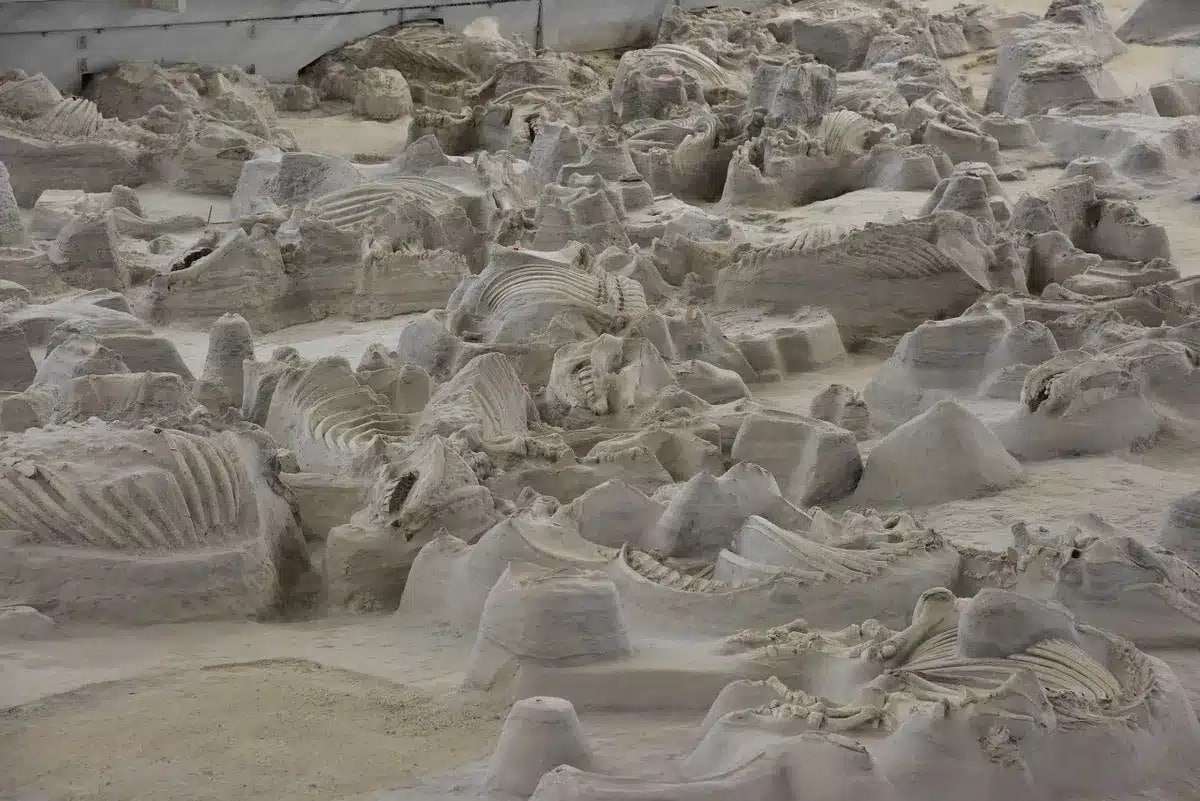
The Ashfall Fossil Beds preserve a remarkable prehistoric scene beneath nearly a meter-thick layer of volcanic ash. Around 11.86 million years ago, the Yellowstone hotspot discharged roughly 650 cubic kilometers of ash into the atmosphere. Prevailing winds carried this ash eastward, devastating ecosystems across the Midwest.

Unlike sudden fatal events such as Pompeii’s eruption, this disaster led to a prolonged demise. The massive ash cloud blocked sunlight, destroyed vegetation, and contaminated watering holes with sediment.
Researchers describe the event as a "slow agony," with rhinoceroses succumbing over days or weeks. Causes of death may have included starvation and respiratory ailments caused by ash inhalation, such as fevers, swollen limbs, and arthritis.
The site once served as a temporary watering hole. Smaller animals suffocated and were buried first, while larger creatures continued to visit, unaware of the hazard. Eventually, Teleoceras individuals—the last survivors—were covered by layers of windblown ash, preserving their remains in place.
Distinct Social Patterns Compared to Modern Rhinos
Contemporary rhinos tend to be solitary, but the fossil evidence from Ashfall reveals a contrasting social structure. The majority of the remains belonged to females, juveniles, and immature females, with rare adult males and a complete absence of subadult males. This composition points to a polygynous breeding system and suggests male-biased dispersal, where mature males dominate herds and younger males leave.
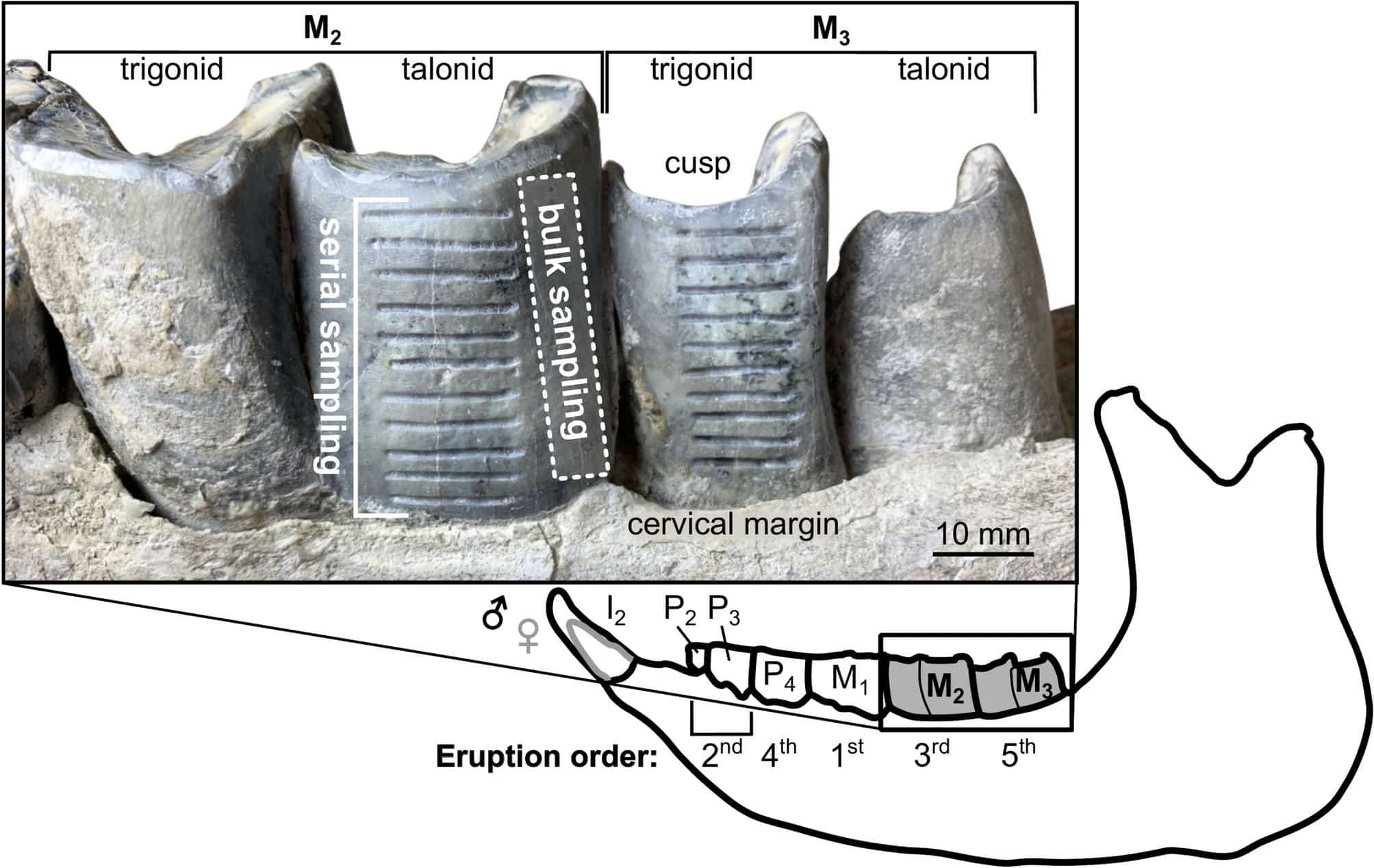
Isotope studies on molar teeth provided deeper insight. Analysis of carbon (δ13C), oxygen (δ18O), and strontium (87Sr/86Sr) isotopes in tooth enamel helped reconstruct diets, water sources, and movement patterns. Researchers observed no significant shifts in these isotopic markers during the animals’ growth, implying no natal dispersal.
Moreover, no evidence of seasonal migration emerged. Although δ18O variations—linked to climate changes—were detected, they did not correspond with long-distance movement. Strontium ratios, reflecting regional geology, remained consistent.
Most strontium values clustered tightly between 0.70863 and 0.70874, nearly matching local geological baselines. These data indicate that the Teleoceras population was largely non-migratory, occupying a limited territory throughout their lifespan.
Adaptations to a Semi-Aquatic Existence
The anatomy of Teleoceras major aligns with these findings. Their barrel-shaped bodies, short legs, and high-crowned molars suggest they led semi-aquatic lives similar to present-day hippos. These features equipped them for wetland habitats where they grazed on grasses and leafy plants.
Previous discoveries at Ashfall revealed grass macrofossils within Teleoceras stomach regions, indicating a diet dominated by C3 grasses. Microscopic wear on teeth showed mixed feeding, with both grasses and browse, which likely reduced the necessity for seasonal migration in pursuit of food.
Unlike migratory species, Teleoceras depended on stable water supplies and consistent vegetation availability. Despite their large size (males weighing 880–1110 kg; females 785–840 kg), their short-legged build (brachypody) made extensive travel unlikely. Their reliance on aquatic environments probably tied them to specific locales.
Reevaluating Ancient Animal Behavior from Fossils
To investigate whether these rhinos moved in reaction to volcanic fallout, scientists took serial enamel samples from their molars, reflecting life-history changes in diet and habitat. Yet, no major isotopic changes emerged.
Comparisons with coexisting species at Ashfall—including horses, camels, and the small ruminant Longirostromeryx—revealed that rhinos had lower δ18O and 87Sr/86Sr levels, favoring wetter environments than the horses’ preferred drier ranges.
The similar isotope profiles between the rhinos and the small local ruminant suggest that Teleoceras was endemic to the area and not an incoming migratory population.
A fascinating implication is that Teleoceras herds might have preserved genetic diversity through social dispersal, interbreeding across groups rather than relying on physical movement. Modern rhinos like the white rhino often select genetically distant mates, hinting that Teleoceras potentially followed a comparable system.
- Categories:
- Science






0 comments
Sign in to Comment