
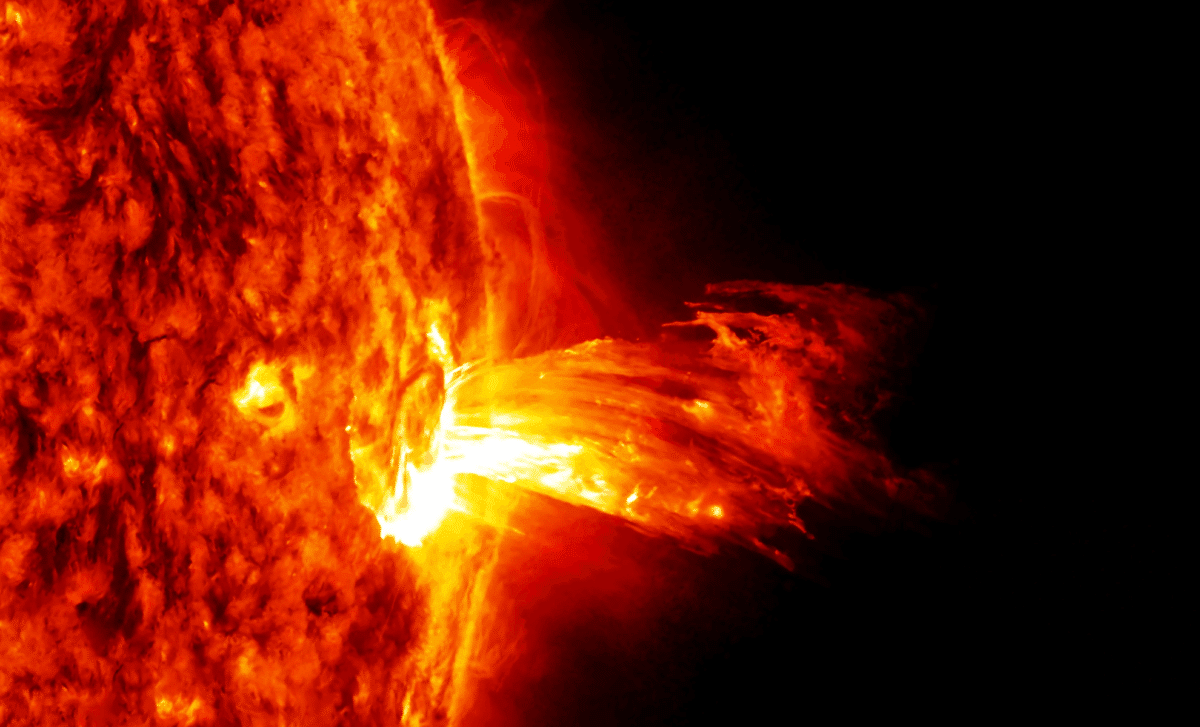
On November 14, 2025, the sun emitted a significant solar flare that led to widespread radio blackouts, particularly over Africa. This intense X4-class flare, ranked as the second-strongest of the year, emerged from an exceptionally active sunspot area. Solar phenomena like this continue to challenge researchers by disrupting communication infrastructures on our planet. NOAA’s Space Weather Prediction Center reports that this event was paired with a coronal mass ejection (CME), which could influence Earth's environment in the near future.
Intense Solar Activity: The X4 Flare Explained
On November 14, 2025, one of the year's most forceful solar flares erupted from the sun’s surface. This X4-class episode stands as the second most powerful flare recorded during 2025, highlighting ongoing dynamics in Solar Cycle 25. Solar flares are classified by a letter scale from A to X, with each successive letter representing a tenfold increase in power. An X4 flare commands a high level of energy, placing it among the most formidable solar outbursts observed in recent years.
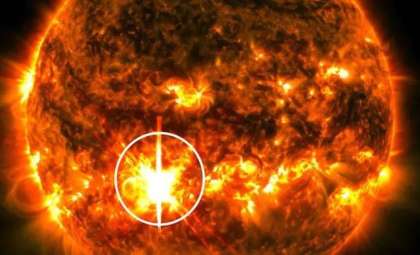
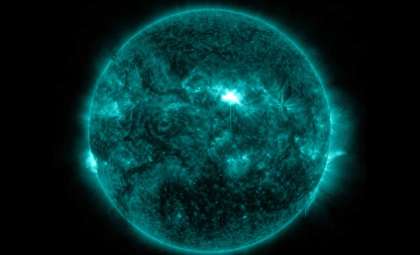
The flare originated from sunspot group AR4274, notorious for producing a record-setting X5 flare just days prior. This region has been the hotspot for extreme solar activity throughout 2025. The magnitude of the X4 flare has urged scientists specializing in space weather to intensify monitoring efforts to evaluate its Earth-bound consequences. As solar activity surges, comprehending these celestial events is increasingly vital.

NOAA’s Space Weather Prediction Center remains vigilant in tracking such powerful solar flares due to their potential to disrupt communications, navigation, and satellite operations. Heightened solar behavior has experts on high alert for incoming solar events.
Radio Blackouts Disrupt Communications Across Africa
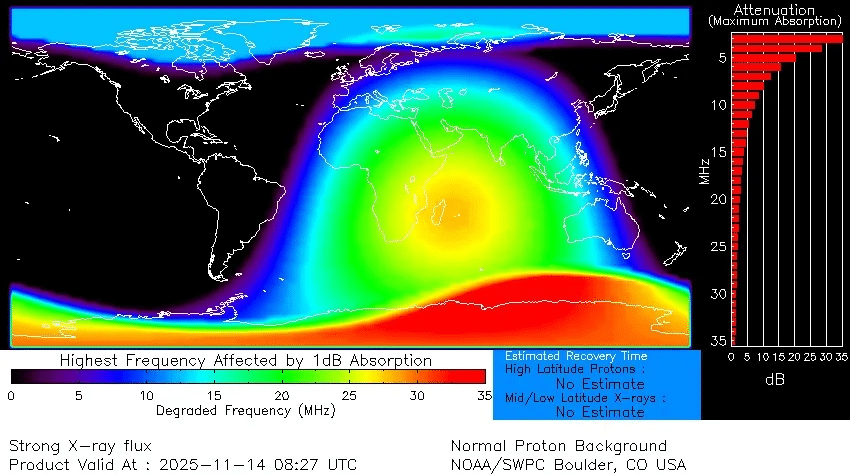
The immediate aftermath of the X4 solar flare was a notable interruption in radio communications. Solar flares release powerful bursts of electromagnetic energy that reach Earth in approximately eight minutes, ionizing the upper atmosphere and interfering with high-frequency radio transmissions. The November 14 flare caused significant radio signal blackouts, especially in sunlit parts of the globe.
Africa suffered some of the most severe disruptions, with extensive blackouts in HF radio communication systems. Such frequencies are critical for long-distance communication, particularly where other infrastructure is limited. The outage impacted vital sectors including aviation, maritime navigation, and emergency services, all of which rely heavily on HF radio for reliable contact across vast distances.
Although most commercial satellite communications remained stable, some radio frequencies experienced intermittent outages. Space weather analysts continue to evaluate how these disturbances evolve and whether further regions might encounter effects as the solar flare’s influence spreads through Earth’s atmosphere.
Decoding X-Class Solar Flares and Their Effects
Solar flares are rated by their power, with X-class flares representing the most intense category. The number following the X indicates the flare’s strength; an X1 flare is already strong enough to trigger outages, but an X4 flare delivers an even greater burst of energy.
These immense solar explosions can unleash energy comparable to billions of nuclear bombs detonated simultaneously, though this energy disperses across space. Radiation from flares travels at light speed, arriving at Earth within eight minutes and ionizing the upper atmosphere. The resulting impacts include temporary radio blackouts, GPS signal interference, and disruptions to satellite links. While CMEs discharge charged solar plasma that affects Earth over hours to days, solar flares emit radiation with an almost immediate atmospheric impact.
Gaining insight into solar flare intensity scales is key to forecasting their effects on technology and human systems. Institutions like NOAA’s Space Weather Prediction Center are refining predictive models to better anticipate and mitigate such solar events amid evolving solar cycles.
Coronal Mass Ejections and Their Space Weather Influence
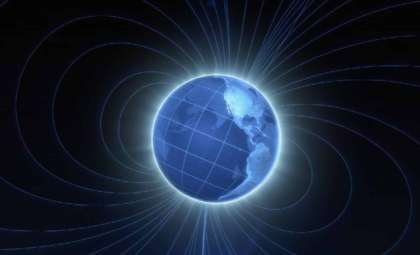
In conjunction with the X4 flare, a Coronal Mass Ejection (CME) was also launched—a colossal release of solar wind and magnetic fields from the sun’s corona. CMEs can discharge billions of tons of solar material into space, sometimes impacting Earth’s magnetic field with serious repercussions.
Thankfully, this CME was directed away from Earth, as its source sunspot was near the solar disk’s western edge, reducing direct impact chances. Nevertheless, experts continue to track the CME using coronagraph imagery and other space weather tools to determine its path and any possible effects Earth might experience in the coming days.
Historically, CMEs have triggered geomagnetic storms capable of damaging power infrastructure, disrupting satellites, and interfering with global communications. While this recent CME is unlikely to strike Earth directly, it highlights the sun’s immense power and underscores the importance of continuous space weather monitoring.
- Categories:
- News








0 comments
Sign in to Comment