
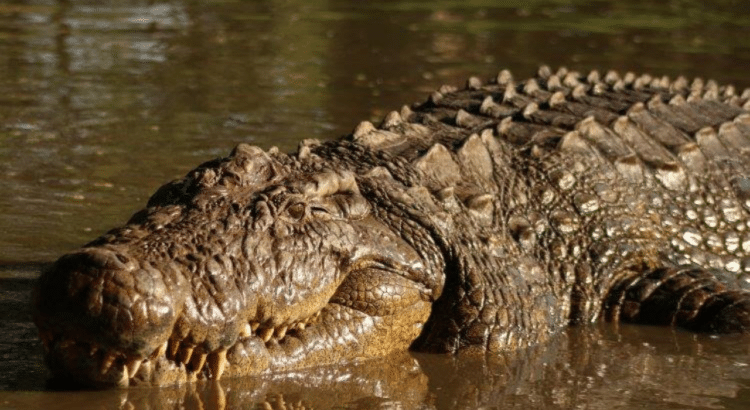
Deep within Australia’s Marineland Melanesia lives an extraordinary reptile named Henry, celebrated as the oldest crocodile on Earth. His incredible age and captivating story have drawn attention from animal lovers and scientists worldwide.
Henry's remarkable journey: Over a century in the wild and beyond
Henry hatched in December 1900 within Botswana’s Okavango Delta. This Nile crocodile spent the first eight decades of his life thriving in the wild before becoming a permanent resident of Marineland Melanesia. Now at an astounding 123 years old, Henry holds the record as the oldest crocodile ever documented.
Standing out not just for his age, Henry’s size is equally striking. He stretches 2 meters long and weighs an impressive 700 kilograms, embodying the formidable nature and endurance of his species. His survival through more than a century highlights the remarkable persistence of Nile crocodiles.

Henry’s longevity isn’t entirely without parallels in nature. Visitors have stumbled upon unknown species during their travels, illustrating how much there still is to learn about the natural world.
This is Henry, a Nile Crocodile. It is reported to be the oldest known croc in the world, born in 1900. pic.twitter.com/nmo0Q4iih4
— Nature is Amazing ☘️ (@AMAZlNGNATURE) September 12, 2024
Henry’s lasting impact: A prolific ancestor
Even more impressive than Henry’s age is his role as a potent breeder. Since settling into Marineland Melanesia, he has been reported to have fathered offspring with at least six females. Experts estimate that Henry could be the progenitor of nearly 10,000 descendants in just under forty years.
To better grasp his reproductive contribution, consider this breakdown:
Time Frame Approximate Offspring Count Annual 250 Every Decade 2,500 Total (40 Years) 10,000
This extensive lineage solidifies Henry’s genetic footprint, playing a key role in the ongoing conservation strategies aimed at preserving Nile crocodiles.
Understanding longevity: What captivity reveals
Henry’s remarkable lifespan prompts intriguing questions about what contributes to such longevity in crocodiles, especially when living under human care. Scientists suggest several factors might play a part:
- A safe, predator-free environment
- Consistent nutrition and medical oversight
- Protection from harsh climate extremes
- A distinctive gut microbiome that may produce compounds supporting long life
Research from the National Library of Medicine points toward the crocodile’s gut microbiome as a crucial component in maintaining their health and longevity. This insight offers exciting possibilities for further study into aging processes among ancient reptiles.
However, it is vital to recognize that captivity does not necessarily extend life for all animals. Smaller mammals often benefit, yet large species such as elephants and primates sometimes experience lives that are similar or shorter than those in the wild.
Preserving ancient life: Lessons from Henry and beyond
Henry’s fascinating existence underscores the critical importance of efforts to conserve ancient species. Crocodiles, having persisted through millions of years and environmental shifts, remain invaluable to science and biodiversity.
Notably, crocodiles aren’t the only ancient creatures shedding light on natural history. Historic Amazonian rock art has unveiled extinct animals long before their scientific description, showing how human observation predates modern zoology by centuries.
While Henry is the oldest known crocodile, other remarkable animals like Jonathan, the Seychelles giant tortoise aged 191 years, also demonstrate extraordinary lifespans. These creatures offer direct connections to the past, revealing secrets of survival, adaptation, and ecosystem dynamics.
Studying and protecting such enduring beings enhances our appreciation of Earth’s biological diversity and resilience. Henry’s tale not only inspires awe but also reinforces the necessity of safeguarding these living treasures for the benefit of generations ahead.
- Categories:
- Evolution
















0 comments
Sign in to Comment